

Kerala HC asks govt to explain funding, role in Global Ayyappa Sangamam event
Mail This Article


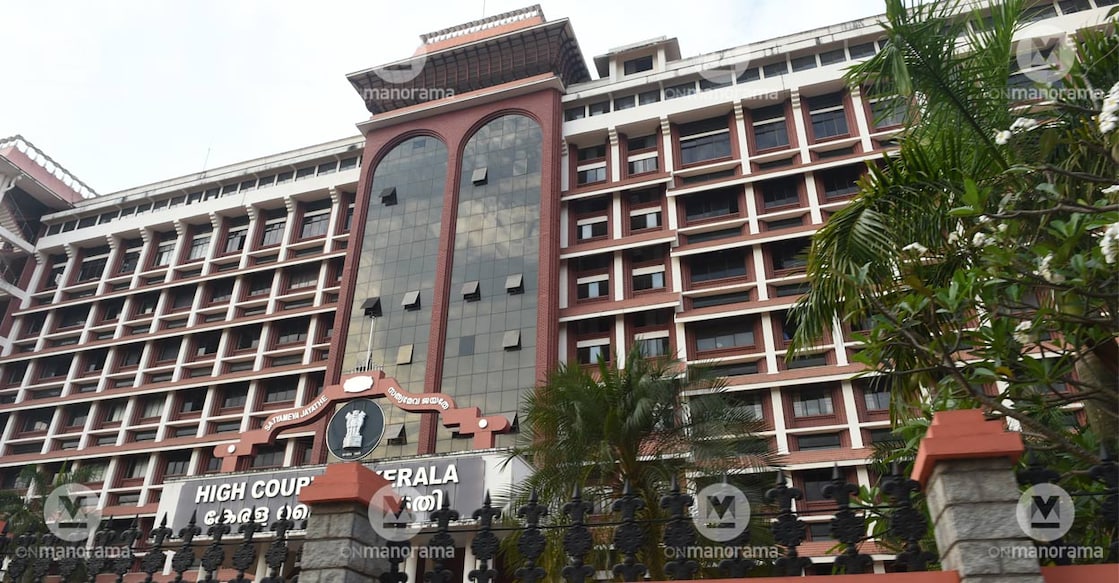
Kochi: The Kerala High Court on Wednesday sought clarity from the state government on its role in the Global Ayyappa Sangamam, after a petition challenged the conduct of the event.
The petitioner alleged that the programme, scheduled for 20 September, was being organised by individuals who had previously opposed Sanatana Dharma and did not believe in Lord Ayyappa. He argued that hosting such an event near religious institutions violated laws prohibiting non-religious functions in those areas.
The petition also claimed that funds collected, including sponsorships, legally belonged to the deity and could not be diverted. While the government described the Sangamam as a state initiative aimed at uniting devotees and highlighting Sabarimala’s spiritual and cultural importance, the petitioner argued it was under the Travancore Devaswom Board and therefore bound by temple-related financial rules.
The petitioner further alleged misuse of Lord Ayyappa’s name, pointing out that the invitees were largely political leaders rather than devotees who observe penance and rituals. "Not a single such devotee has been invited. Then how can this be called an Ayyappa Sangamam?" he asked.
In court, the state government insisted the event was constitutional and did not violate Article 14. It stated that neither the state nor the Travancore Devaswom Board would bear expenses, with all costs covered through sponsorships. The bench, however, noted that there was still no clarity on how funds were being mobilised and sought further details.
Meanwhile, the opposition UDF accused the Pinarayi Vijayan-led government of seeking political mileage in the name of Sabarimala. The ruling CPI-M defended the Sangamam as an effort to unite believers against communalism.
 Add as a preferred source on Google