

South Africa looks to Kerala for lessons in climate-resilient urban infrastructure; agreement soon
Mail This Article


Kochi: South Africa’s KwaZulu-Natal province, home to the port city of Durban, is turning to Kerala for lessons in building climate-resilient urban infrastructure. The second most populous province in the country is set to partner with Kerala to exchange expertise and train its architects and engineers.
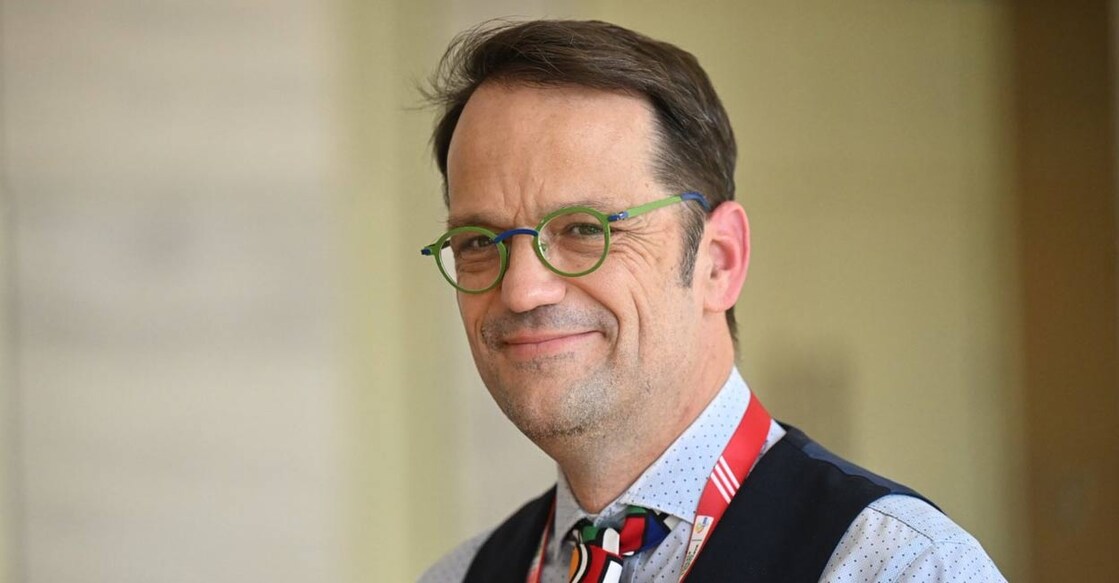
Speaking to Onmanorama at Kerala Urban Conclave in Kochi, Martin Meyer, member of the executive council (MEC) for public works and infrastructure of KwaZulu-Natal, said that the pact is to be finalised soon, and it will enable architects and engineers from his province to undergo training in Kerala.
“Our teams will learn from your best practices and share our own experiences. For instance, the way Kerala has used natural barriers like mangrove forests to mitigate ecological disasters is something we want to replicate. As per the agreement, regular virtual meetings will also be held between the two governments,” he said.
Climate-hit province seeks Kerala’s expertise
KwaZulu-Natal has been the hardest hit by climate change among South Africa’s nine provinces. In the past four years alone, it has witnessed four major floods, devastating fires, and even tornadoes — a first in its recorded history. “We used to be a subtropical climate. We are now shifting to a tropical climate. Kerala and India have long experience in building infrastructure for such conditions. That’s why we are here — to learn, to adapt, and to become more resilient,” Meyer said.
He pointed out that climate change has also derailed infrastructure development in his province. “All the money we should be spending on new schools, clinics, and hospitals is being diverted to repair what’s destroyed by extreme weather. We need to start building differently, or the next disaster will wipe everything out again,” he said.
Meyer also said that he was amazed by how local bodies in Kerala enjoy significant powers compared to those in South Africa. “In our system, most powers lie with the national government, not the provinces. Decentralisation brings decision-making closer to the people. I also find Kerala’s officials highly professional. You have career administrators here, whereas in South Africa, the line between politics and administration often gets blurred,” Meyer observed.
Meyer, who took charge in June 2024 as part of a coalition government, said he declared “war on corruption” within the department. “When I came in, nine senior officials were in place. Only two are still there. The rest were sacked for corruption. For the first time, our department is getting clean audits from the auditor general,” he said.
KwaZulu-Natal has also been battling a “construction mafia,” which disrupts projects and demands 30% of budgets before allowing work to proceed. “This is pure criminality. In the first six months, 120 people were arrested. Today, we can proudly say that in the last six months, not a single project has been disrupted,” Meyer added.
Cultural, historical ties
Meyer underlined the historic links between Kerala and KwaZulu-Natal, which is home to nearly five million people of Indian origin whose ancestors were brought as indentured labourers in the 19th century. “The Indian Ocean binds us, and in a time when the Global South needs to stand together, we must deepen these ties,” he said.
He revealed that efforts are also underway to restore a historic castle near his office in Durban, where Mahatma Gandhi once stayed. “The apartheid government later evicted Indian families from there in the 1950s. The castle is now dilapidated. With support from the National Gandhi Museum, we plan to turn it into a museum to honour how Indian people fought alongside Black South Africans against apartheid,” he said.
 Add as a preferred source on Google