

Govt tables Bill to protect houses from attachment proceedings
Mail This Article


If the only house of a family is attached by banks, cooperative societies, or financial institutions as part of recovery proceedings necessitated by non-repayment, the family will not be left to fate. The State Government will take over the repayment fully or in part.
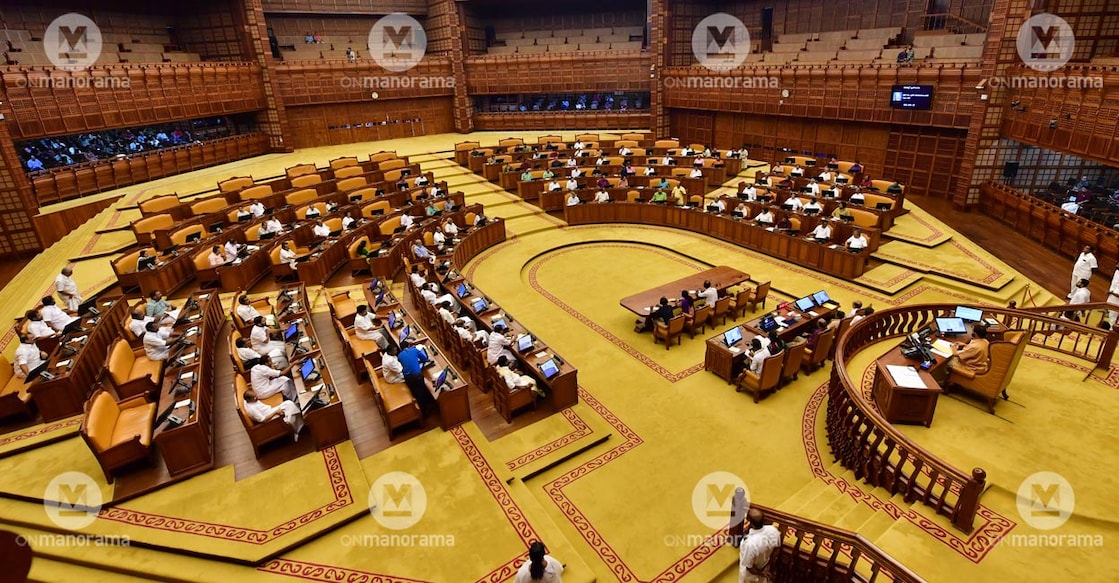
The Kerala Single Dwelling Place Protection Bill was tabled in the Assembly on Tuesday. Since the UDF disrupted the day's proceedings, the Bill was referred to the Assembly Subject Committee without discussion. A detailed debate is expected once the Bill returns to the Assembly next week after the Subject Committee consultations.
Minister for industries, law and coir P Rajiv, while tabling the Bill, said it was a "historic moment".
The person who had mortgaged his house, however, will have to satisfy certain conditions to claim protection. One, the loan amount should not exceed ₹5 lakh. Two, the total repayment amount, including the loan amount, interest, penal interest and other incidental expenses, should not exceed ₹10 lakh. Three, the debtor's family should not have other properties or other repayment means.
Four, the family's land should not exceed five cents in Municipal/Corporation area or ten cents in Grama Panchayat area. Five, the annual gross income of the debtor and family shall not exceed ₹3 lakh; meaning, only families earning ₹25,000 or less a month will benefit. Six, the debtor's family should not have transferred any of their properties after taking the loan. Seven, the protection is available only for loans taken for education, treatment, marriage, house building/house renovation, agriculture and creation of livelihood for self-employment. And eight, the debtor should possess an Aadhar card.
The proposed Act will constitute a District-Level Dwelling Place Protection Committee (DLDPPC) before which the aggrieved person can submit an application. The DLDPPC will conduct a preliminary inquiry after hearing both parties and will initiate conciliation measures for "amicably resolving the repayment liabilities and thereby rearrange the repayment amount or remit the interest amount or rearrange the instalments or evolve any other temporary debt relief measures".
When the DLDPPC is satisfied that there is no means for the debtor or the family members to repay the loan amount, or there is no scope for conciliation, it will give its recommendations to the State-Level Dwelling Place Protection Committee (SLDPPC), and these would include "taking over of the repayment amount fully or partially by the Government".
It is the SLDPPC that will recover the dwelling place by paying back the financial institution, either fully or partially. The repayment will be done through the district collector. It is also the responsibility of the SLDPPC to "provide another dwelling place by including in any of the rehabilitation scheme or housing scheme of the Government". Once the attachment proceedings are terminated, it is the SLDPPC that has to return the title deed and allied documents of the mortgaged property
to the owner.
Any person aggrieved by the decision of the SLDPPC can, within 30 working days from the date of receipt of such a decision, file an appeal before the Chief Secretary or an Additional Chief Secretary to the Government nominated by the CS.
The DLDPPC will comprise eight members and will be chaired by the District Development Commissioner. Other members include the principal agriculture officer, deputy director of panchayat, a representative of the District Disaster Management Authority, deputy collector (disaster management), a representative from each of the cooperative and banking sectors, and a representative of the Lead Bank in the district.
The SLDPPC will have six members and will be chaired by the Planning and Economic Affairs secretary. Other members include the member secretary of the Kerala State Disaster Management Authority, the additional director of the Agriculture Department, a representative of the State-Level Bankers' Committee, a representative of Kerala Bank, and an officer not below the rank of deputy secretary, nominated by the finance secretary.
 Add as a preferred source on Google