

HC flags TDB's financial mismanagement, orders full digitisation of accounts
Mail This Article


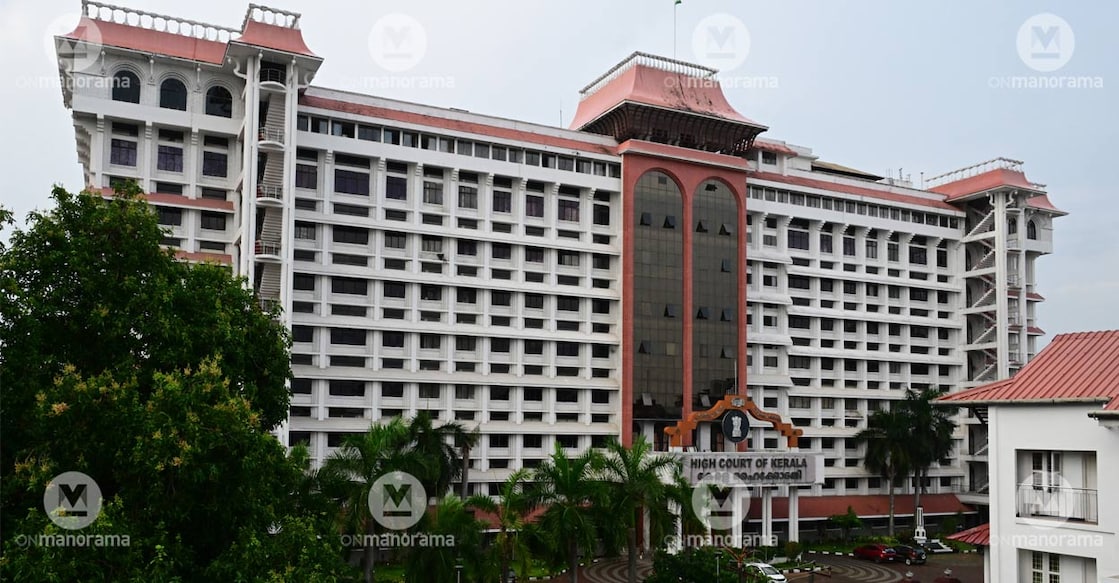
Kochi: In another major setback to the Travancore Devaswom Board (TDB) amid the probe into the alleged gold missing in Sabarimala temple, the Kerala High Court here on Saturday ordered the immediate digitisation of all accounts possessed by the board. The division bench of Justice Raja Vijayaraghavan V and Justice KV Jayakumar issued the order while considering a report of the Ombudsman. The Ombudsman prepared the report in a complaint filed by a retired Deputy Devaswom Board Commissioner, regarding non-payment of pensionary benefits.
Issuing the judgment, the court observed that the continued reliance on archaic manual record-keeping and failure to conduct timely audits revealed gross administrative indifference by the board.
“The divine assets of the temples cannot be left vulnerable to outdated ledgers and missing records,” the HC said.
The Devaswom Ombudsman had filed an interim report noting that audit objections amounting to ₹21,03,471 had been raised against the officer due to missing vouchers. Although vouchers worth ₹15,89,724.39 were later traced, an outstanding liability of over ₹7,00,226.61 remained unverified. In the report, the Ombudsman recommended that the retirement benefits of the employee be released on the strength of a bond pending verification of the remaining vouchers.
The Ombudsman’s report led the High Court to look into the major issues within the financial administration of the TDB.
The Ombudsman’s report revealed serious lapses of the TDB in managing its accounts of nearly 150 temples, schools, officers and other institutions from the financial year 2014-15 to 2024-25.
The bench observed concern over the continued reliance on manual registers and paper vouchers, observing that such systems enabled misappropriation of temple funds.
“The continued reliance on manual registers and paper vouchers has made the accounting system vulnerable to manipulation, falsification, and defalcation. It is this lack of transparency and failure to enforce accountability that has enabled misappropriation of temple funds to persist unchecked,” the bench observed.
The court also slammed the TDB for continuing its archaic manual record-keeping and failure to conduct timely audits.
The court also underscored the statutory duty of the TDB to maintain accurate, auditable accounts and ensure annual audits by auditors appointed by the High Court. The bench referred to sections 32, 102 and 103 of the Travancore-Cochin Hindu Religious Institutions Act, 1950, to corroborate its argument.
“When vouchers disappear, receipts remain unverified, and audits are delayed for years, opacity becomes institutionalised, creating fertile ground for misappropriation and corruption. This abdication of statutory responsibility has allowed errant employees to misuse temple funds with impunity, secure in the knowledge that systemic weaknesses will shield their misconduct.” the bench noted.
After observing major lapses, the HC directed the Devaswom Board to implement a centralised financial management system for bills and vouchers which is accessible to both audit and supervisory authorities. The Court further added that the digital registers, online reconciliation of bank transactions and automated alerts of discrepancies should form part of the structure of the system.
“An immediate systemic overhaul and a culture of strict financial accountability must be established within the administrative machinery of the Devaswom Boards.” the bench observed.
The Court has also ordered the Director, Kerala State Audit Department, to appear before the Court on October 30 and submit a detailed action plan outlining the steps to modernise accounting practices, including software adoption, digital record maintenance and a monitoring mechanism.
The bench also stressed that the sanctity of temple finances can be preserved and the public confidence in the administration of the Devaswom institutions can be restored only through such comprehensive reforms.
 Add as a preferred source on Google