

Kerala High Court dismisses plea challenging recognition of Thanthra Vidyalayas
Mail This Article


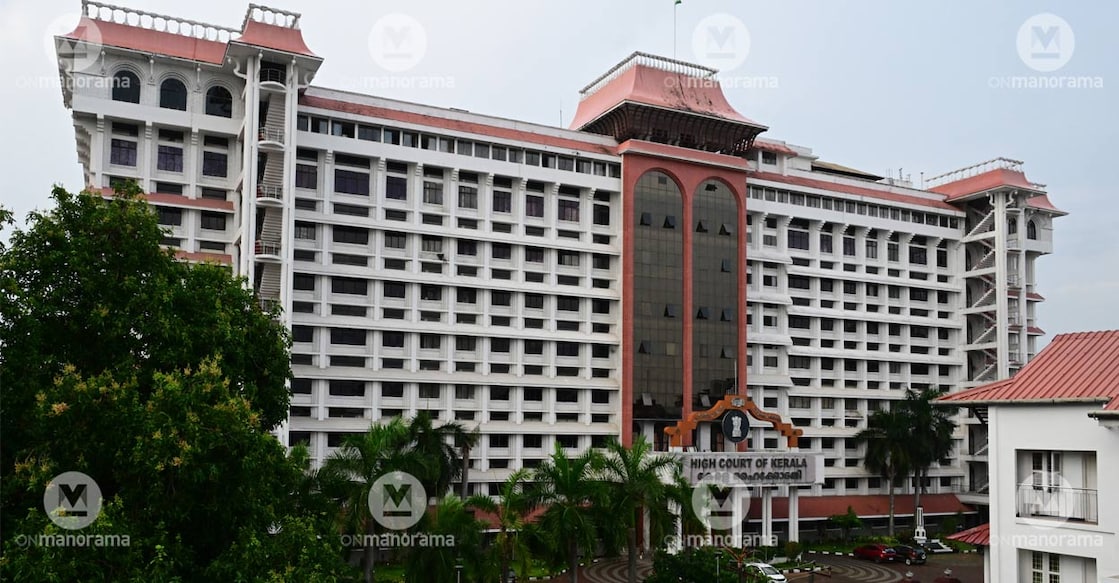
The Kerala High Court on Wednesday dismissed a writ petition filed by the Akhila Kerala Thanthri Samajam (AKTS) challenging the accreditation and recognition granted to certain institutions described as Thanthra Vidyalayas by the Travancore Devaswom Board (TDB) and the Kerala Devaswom Recruitment Board (KDRB).
The petitioners had also questioned KDRB notifications prescribing a certificate from Tantra Vidya Peetoms recognised by it as one of the qualifications for appointment as part-time shanthis (priests) in temples.
While dismissing the plea, the Division Bench of Justice Raja Vijayaraghavan and Justice K V Jayakumar held that there was no essential religious practice mandating that temple priests must belong to a particular caste or lineage. The Bench rejected the argument that appointments should strictly follow traditional practices, ruling that such a requirement could not be treated as an essential aspect of worship.
The court noted that both the TDB and KDRB had instituted a rigorous system before granting accreditation, with a syllabus covering Vedic texts, rituals, and modes of worship taught by qualified scholars and thanthris. Courses span one to five years, and successful candidates undergo initiation ceremonies before appointment. The final selection is based on merit by a committee that includes a reputed thanthri.
In this context, the Bench observed that insisting that priests must come from a particular caste or lineage cannot be considered an essential religious practice. The court dismissed claims that the recruitment process violated fundamental rights under Articles 25 and 26 of the Constitution.
Petitioners’ arguments
The petitioners, representing about 300 traditional thanthri families, contended that certification by a thanthri has traditionally been required for priest appointments. They argued that the 2022 Travancore Devaswom Board Officers’ and Servants’ Service Rules replaced this traditional system with a qualification-based approach that excluded many eligible priests.
They further alleged that the KDRB lacked the authority and expertise to accredit thanthra institutions and that the new system amounted to legislative overreach and violated constitutional rights.
Respondents’ submissions
The State argued that hereditary certification limited the priesthood to a few and was inconsistent with constitutional principles. The TDB maintained that the 2022 Rules were framed lawfully under Section 35(2)(e) of the Travancore-Cochin Hindu Religious Institutions Act and that objections had been invited before finalisation.
The KDRB, in its counter-affidavit, said it had formed an expert committee of reputed thanthris to prepare a one-year syllabus and grant recognition to institutions after review. It added that the move aimed to ensure inclusivity and expand opportunities for marginalised communities.
Court findings
After examining the statutory framework, the court concluded that the KDRB was empowered to determine the minimum qualifications for appointment and found no merit in the petition.
(With LiveLaw inputs)
 Add as a preferred source on Google