

Kerala local body elections: Will expenditure limits create a level playing field or favour big parties?

Mail This Article


When State Election Commissioner A Shajahan declared the dates of the 2025 local body polls on November 10, the biggest surprise was the expenditure limit of the candidates. The upper limits were left unchanged, same as 2020.
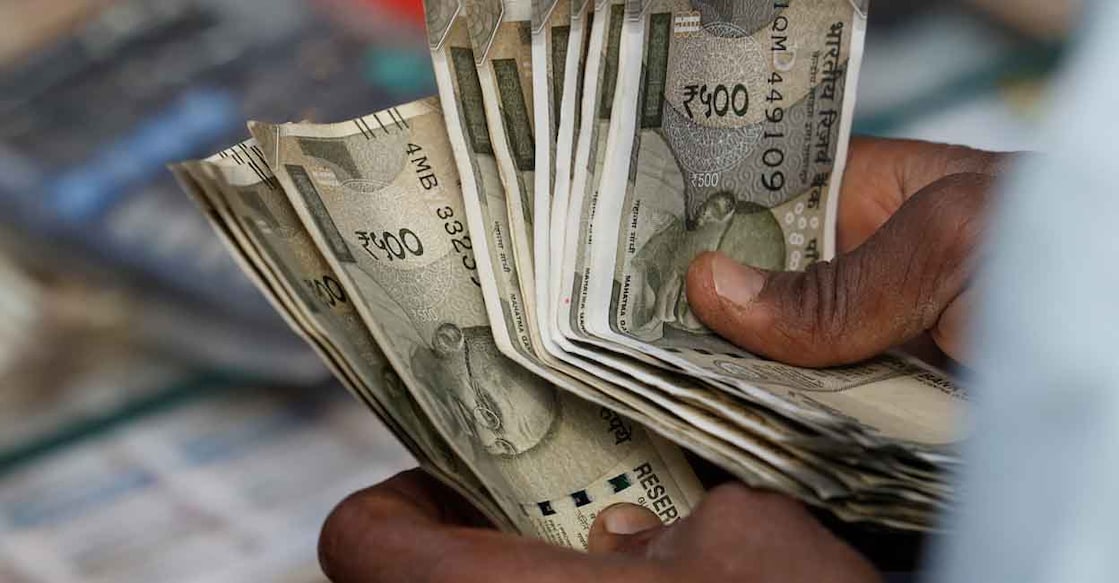
The maximum a grama panchayat candidate could spend is ₹25,000. In block panchayats and municipalities, it is ₹75,000. In district panchayats and corporations, it is ₹1.5 lakh.
"We have nearly a month of campaign. I don't think ₹1.5 lakh will last us even a week," a serving BJP councillor who will be contesting again told Onmanorama. Congress and CPM councillors who will be contesting again, too, said the limit was laughably low.
"We expected the upper limit to be increased to at least ₹ 5 lakh. The Commission could have at least taken inflation into account," a Congress councillor said.
In 2015, the upper limit for corporations and district panchayats was ₹60,000. In 2020, this was increased by 250 per cent to ₹1.5 lakh. If that rate of increase was followed this time, the upper limit for corporations and district panchayats would have been ₹3.75 lakh.
In 2020, the same 250 per cent increase was applied to the lower tiers, too. If such a level of increase was adhered to this time, the upper limit would have been ₹62,500 for grama panchayats and ₹1.88 lakh for block panchayats and municipalities.
"The printing of posters, pamphlets and billboards alone will cost us more than ₹1.5 lakh. Then there are the travelling expenses, the food and other payments. Workers don't come for free. They too have a family, we cannot make them work hard day and night without payment. And we need to sustain this high level of spending for nearly a month," a CPM councillor in one of the coastal wards of Thiruvananthapuram Corporation said.
Unofficially, a conservative estimate is that candidates in corporation wards on an average spends around ₹25 lakh. In municipalities, it would be around ₹15-17 lakh and in panchayat wards it could be between ₹2-3 lakh.
Curiously, the Election Commission of India's insistence on accountability has pushed up campaign costs. Earlier, candidates used to get their posters done cheaply in places like Sivakasi (Tamil Nadu). To discourage anonymous advertisements, the ECI now insists on the name of the printer and the number of printed copies displayed on the posters and billboards.
What bothers micro and informal printing presses in Tamil Nadu is the requirement of their formal participation in the election process. The publisher (mostly the political party) will have to provide a declaration in a prescribed form to the printing press. And once the work is completed, the press will have to submit a sample of the printed materials along with the publisher's declaration to the district election officer.
"This has dissuaded many Sivakasi firms from taking up orders from Kerala. They don't want to get entangled in bureaucratic processes, and also fear that they could get into trouble with government authorities in their state. This has forced candidates to print materials at relatively high costs here in Kerala," a top SEC official said.
The SEC is aware of the conundrum. "Are you telling me to fix the upper limit at Rs 25 lakh," Shajahan said dismissively when asked about the abysmally low upper limit. The SEC's disapproval implied that a higher limit can psychologically discourage a potential candidate from an underprivileged family.
"To me this is a practical decision," Shajahan said. "The commission intends to create a level playing field. We see this as an election where the haves and the have-nots can equally participate," he said.
Ironically, a clause that is specific to local body polls undermines the SEC's aspiration for fairness. "The money spent by parties will not be included in the candidate's expenditure," Shajahan said.
In other words, any expenditure beyond the limit can be shown as spending by the candidate's party. "But such a clause benefits only the candidates of established big parties. They can spend heavily and still be left off the hook. Independents with no one to back them will be put at a great disadvantage," the SEC source said.
 Add as a preferred source on Google