

Mental health rehab centre inmates free to vote unless declared of unsound mind: Kerala HC
Mail This Article


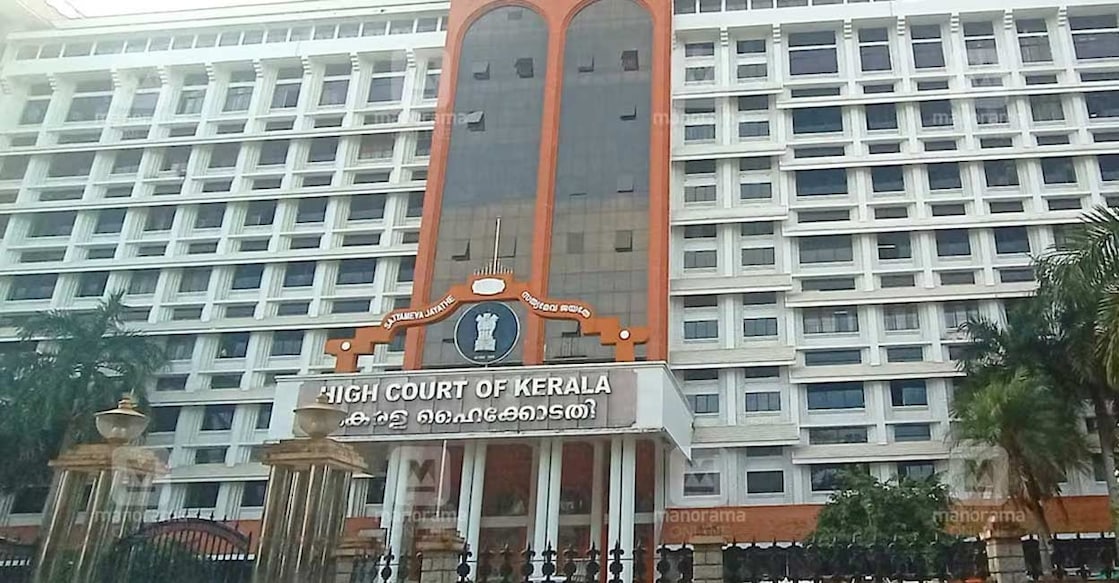
Kochi: The Kerala High Court has affirmed that inmates of a mental health rehabilitation centre are entitled to vote in the 2025 general elections unless a competent court has declared them disqualified on grounds of unsoundness of mind. Justice P V Kunhikrishnan dismissed a petition challenging the inclusion of around 60 residents of ‘Mariya Sadhanam’ rehabilitation centre in the Pala Municipality voters’ list, holding that there was no evidence to suggest they were legally unfit to exercise their franchise.
The petition was filed by permanent residents of Pulikmalkunnu Bhagom, who sought to segregate the votes of the centre’s inmates by allocating them a separate electronic voting machine. They argued that persons with mental challenges were incapable of voting according to their will and asked the Election Registration Officer to remove their names from the draft and final voters’ lists. After receiving no response from the District Collector and the Joint Director for the Rural Development Department, they approached the High Court.
The Court noted that Section 74(1)(b) of the Kerala Municipality Act, 1994 disqualifies a person from voter registration only if they are of unsound mind and formally declared so by a competent court. It was observed that the petitioners had not claimed or shown that the individuals listed in the electoral roll, Serial Nos 349 to 358 and 360 to 407, were declared of unsound mind. The bench emphasised that mental ailments alone cannot justify exclusion from the electoral roll.
The Court further held that the petition suffered from a fundamental flaw; the voters whose rights were challenged were not made parties to the case. It described such omission as an insult and injustice to the residents of the rehabilitation centre, adding that even the authorities of ‘Mariya Sadhanam’ had not been impleaded.
Criticising the attempt to categorise persons with mental illnesses as a separate voting class, the bench underlined that mental illness is not a ground for social exclusion. It reflected on the broad spectrum of mental conditions that individuals may experience and stated that these do not justify discrimination in democratic participation. The Court referred to relevant provisions of the Mental Healthcare Act, 2017, including the definitions of mental illness and capacity to make treatment decisions. It reiterated that declaring someone of unsound mind without hearing them is legally untenable. Consequently, the High Court dismissed the petition in full.
 Add as a preferred source on Google