

Munambam protest set to end; core committee to take final call soon
Mail This Article


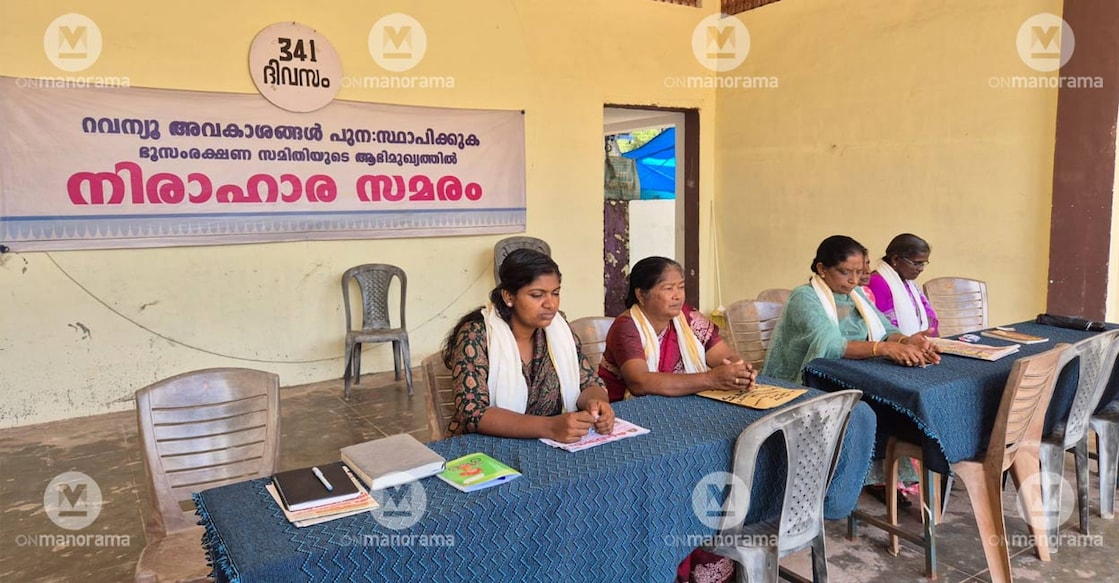
The Munambam Land Protection Committee is set to end its long-running protest demanding restoration of revenue rights over land in the area. The proposal to withdraw the 411-day relay hunger strike follows the High Court’s directive to the state government to accept land tax from residents temporarily.
“The council is considering ending the strike in the coming days. A final decision will be taken after the core committee meeting,” the committee convenor, Joseph Benny, told Onmanorama. Once the decision is reached, the protest panel plans to hold a meeting with political and community organisations supporting the agitation before making a formal announcement.
The interim relief from the court came through an order issued on Wednesday, instructing the District Collector, Tahsildar and Village Officer to accept land tax from the residents of the disputed property. The Kerala State Waqf Board has claimed ownership of the land, which led to officials refusing to accept tax payments.
According to the petitioners, they had purchased their plots years ago from the managing committee of Farook College. They maintain that the Waqf Board has no ownership over the land. They stated that mutations had been completed and taxes paid regularly until the Waqf Board asserted its claim, after which the Village Office stopped accepting tax, prompting them to seek relief from the High Court.
The Munambam Waqf land dispute relates to a decades-old conflict over 404 acres of land in Ernakulam. The Kerala Waqf Board contends the land is waqf property, while Christian and Hindu families who have resided there since the 1950s argue they legally own the plots. The issue escalated in 2019 when the Board formally declared the land as waqf property, placing residents in a legal vacuum that prevented them from paying taxes or transferring ownership.
Although a HC division bench has already ruled that the land is not waqf property, the Waqf Board is preparing to challenge the verdict in the Supreme Court. As the dispute moves towards a prolonged legal battle, internal disagreements within the Land Protection Committee threaten to weaken the collective front formed to safeguard the rights of families who have lived on the land for generations.
 Add as a preferred source on Google