

In a first, Kerala rolls out disaster waste management protocol
Mail This Article


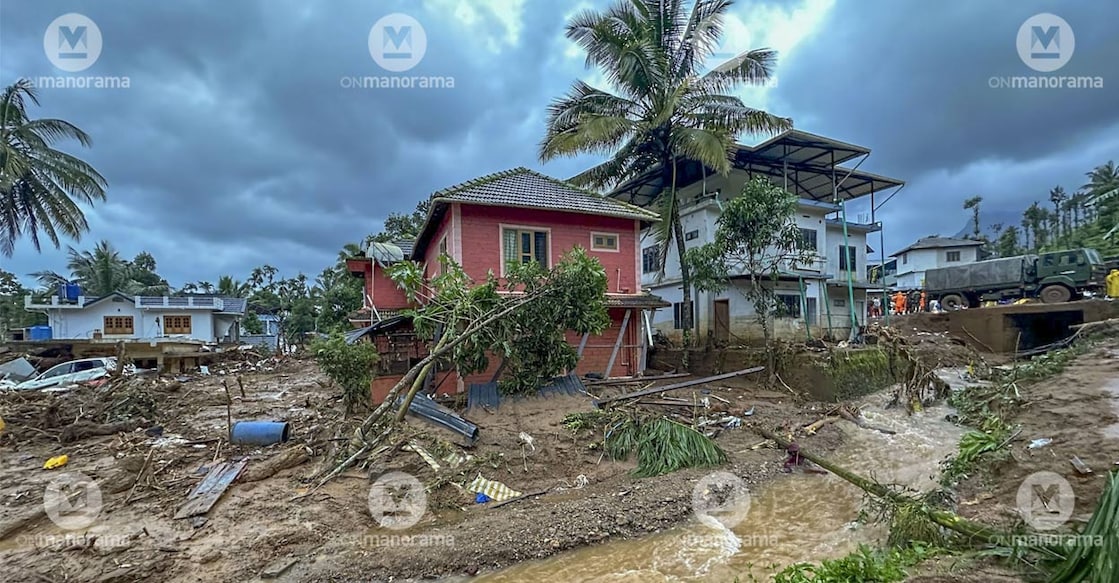
The Kerala government has introduced a protocol for managing waste generated by both natural and man-made disasters, making it the first state in the country to do so. The move follows the challenges faced during the 2024 Wayanad landslide, when the absence of a disaster-specific waste management plan complicated the response. The Local Self Government (LSG) Department's order stated that the lack of a protocol had caused initial confusion, as the system was unprepared for the scale of the disaster. It further highlighted the urgent need for a standardised approach to manage such situations effectively.
According to the department, due to its coastal location and the rugged terrain of the Western Ghats, Kerala is highly vulnerable to natural disasters such as floods, landslides, and droughts. The order noted that floods are the most frequent hazard, affecting 14.5 per cent of the state's land area, with some districts impacted by up to 50 per cent. Other common hazards include landslides, seasonal water scarcity, lightning, forest fires, and high winds. Additionally, the state is located in seismic zone III, and is also susceptible to man-made disasters, including industrial accidents and fires.
The new protocol stresses the critical importance of managing disaster-generated waste to protect public health, aid recovery, and prevent further environmental damage. The order emphasised that proper treatment and safe disposal of disaster waste are essential for mitigating health risks and ensuring effective recovery.
It also defines the roles and responsibilities of various stakeholders, including government agencies, Local Self Government Institutions (LSGIs), Non-Governmental Organisations (NGOs), Community-Based Organisations (CBOs), and the private sector. It aims to ensure seamless coordination, safe recycling and disposal, efficient resource use, and the safety of volunteers through protective measures such as vaccines, safety gear, and personal protective equipment (PPE).
In addition, the protocol outlines comprehensive preparedness, response, and recovery strategies to promote sustainability, public safety, and environmental protection. The Suchitwa Mission will oversee its implementation and ensure it is regularly updated to address evolving challenges. With this initiative, Kerala aims to establish a robust disaster waste management system that improves coordination, response times, and preparedness for future emergencies.
 Add as a preferred source on Google