

No laundry on the balcony: Why Mumbai luxury flats worth ₹4 crore are banning outdoor clothes drying
Mail This Article


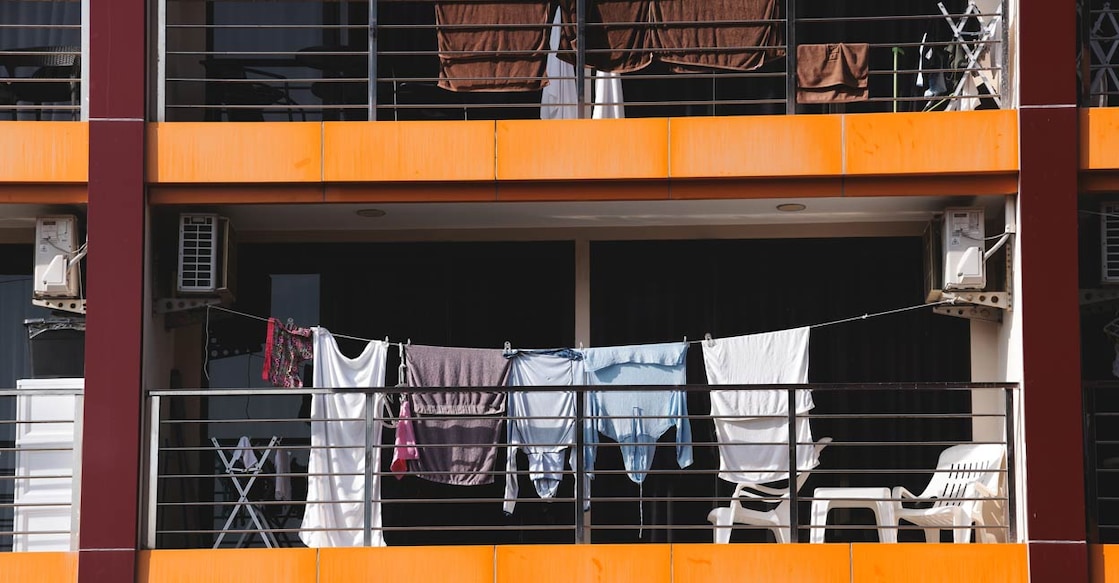
Imagine spending over ₹4 crore on a dream luxury apartment in Mumbai, only to find out you cannot even hang a towel out to dry on your own balcony. This is the bizarre reality for many residents living in premium gated communities and high-rise cooperative housing societies across India's financial capital. Associations are increasingly putting their foot down, enacting stringent bye-laws that prohibit residents from drying laundry in spaces visible from the street.
Why the ban on balcony laundry?
The primary motivation behind these strict mandates is visual aesthetics. Housing societies argue that lines of wet laundry draped over glass railings and balconies ruin the sleek, premium architectural design of these high-rise towers. Maintaining a uniform, high-end external appearance is seen as critical to preserving the property's premium look and overall market valuation. Societal boards believe that unsightly laundry hanging outside depreciates the visual worth of the complex, affecting potential resale values.
The legal battleground: What does the law say?
This brings up a highly debated question: does an apartment association have the legal authority to dictate how a homeowner uses their private balcony? While municipal corporations in Mumbai do not have specific laws targeting balcony laundry, the restrictions are legally enforced through the housing society’s registered bye-laws. Under Rule 44 of the Maharashtra Apartment Ownership Rules 1972, residents in condominiums are legally prohibited from hanging clothes, carpets, or other articles from windows, balconies, or the exterior parts of the building. On the other hand, Cooperative Housing Societies (CHS) function under the Maharashtra Cooperative Societies Act 1960 and formulate their internal rules via majority-voted bye-laws.
A safety concern and practical alternatives
Apart from aesthetics, housing societies justify these bans on safety and hygiene grounds. Wet clothes can drip water onto the balconies or windows of lower floors, causing dampness and disputes. There is also the physical danger of heavy clothes drying racks being blown away by strong winds at high altitudes, posing a risk to pedestrians below. Instead, societies recommend indoor drying racks, ceiling-mounted pulley systems, or electric clothes dryers. However, while larger luxury apartments of 3 to 4 BHKs spanning thousands of square feet often come with dedicated utility balconies or 'dry areas', smaller apartments measuring 500 to 600 square feet face severe space constraints, leaving residents with very few practical alternatives.
A global trend in high-rise living
This phenomenon is not unique to India. Global metropolitan hubs have long implemented strict guidelines to maintain urban aesthetics. In Singapore, for instance, residents in luxury condominiums face fines of up to 100 Singapore dollars if they hang laundry or towels in areas visible from the outside. Despite pushbacks from residents arguing for exceptions like drying bath towels, estate managements worldwide remain uncompromising, issuing immediate notices followed by heavy fines for repeat offences.
