

Mail This Article


Backyard poultry farming is a rewarding venture, but keeping your birds healthy requires a proactive approach. Since most devastating diseases affecting laying hens are viral and have no cure, prevention through timely vaccination is the only viable strategy. Dr. C.K. Shaju, retired Deputy Director of the Animal Husbandry Department, Peruva, shares essential guidelines for poultry farmers on vaccination, hygiene, and overall flock management.
Strict biosecurity and hygiene protocols
Isolate sick birds immediately to prevent the spread of disease. If even one bird shows symptoms, seek veterinary advice for the entire flock. Clean coops, feeders, and watering equipment regularly. Water tanks must be cleaned and sanitised at least once a fortnight. To prevent waterborne diseases, treat drinking water with approved sanitisers, such as Sokrena WS at a dosage of 1 ml per 10 litres of water.
Before bringing new chicks home, spray the empty coop with a disinfectant like Kohrsolin Th (10 ml per litre of water) to eliminate airborne pathogens. Address external parasites like lice and fleas under expert guidance. If antibiotics are prescribed, adhere strictly to the veterinary doctor's instructions regarding dosage, water volume, and duration. Never cut the course short. Properly dispose of dead birds by burying them deep in the ground with quicklime. If possible, conduct a post-mortem examination of the deceased bird to diagnose the issue and protect the surviving flock.
Best practices for poultry vaccination
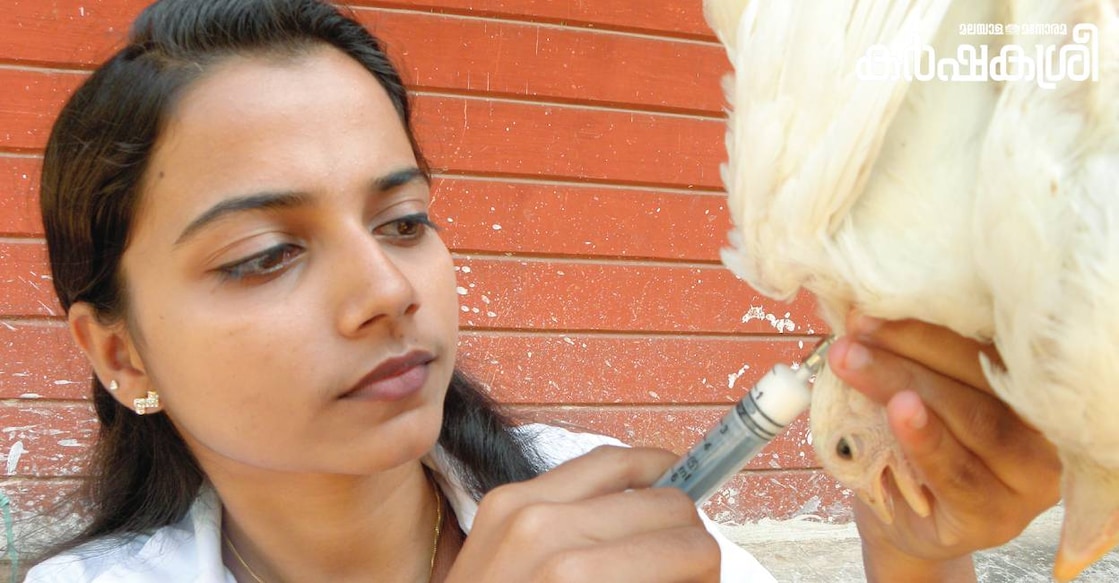
Vaccines are highly temperature-sensitive. Always transport them from the clinic in an ice box. Follow the manufacturer's guidelines precisely. Keep the diluted vaccine container inside an ice bath during the administration process to preserve its potency, and administer it as quickly as possible. To minimise vaccine-induced stress, supplement your chickens' diet with a vitamin B-complex tonic for three days before and after vaccination. Vaccines can be administered via eye drops, nasal drops, drinking water, or injections, depending on the vaccine type and flock size.
Key vaccines for laying hens
The primary diseases to vaccinate against include Ranikhet (Newcastle disease), fowl pox, and Infectious Bursal Disease (IBD). Protection against Marek's disease is typically administered at the hatchery level itself. For drinking-water vaccination, never use chlorinated water or water containing disinfectants, as they deactivate the live vaccine. Adding 5 g of skimmed milk powder per litre of vaccination water helps stabilise the vaccine. Use ice cubes to keep the water cool during administration. For a customised vaccination schedule, consult your local veterinary surgeon.
