

Where craft meets culture: Hortus Crafts Bazaar brings India’s rich artisan traditions to Kochi
Mail This Article


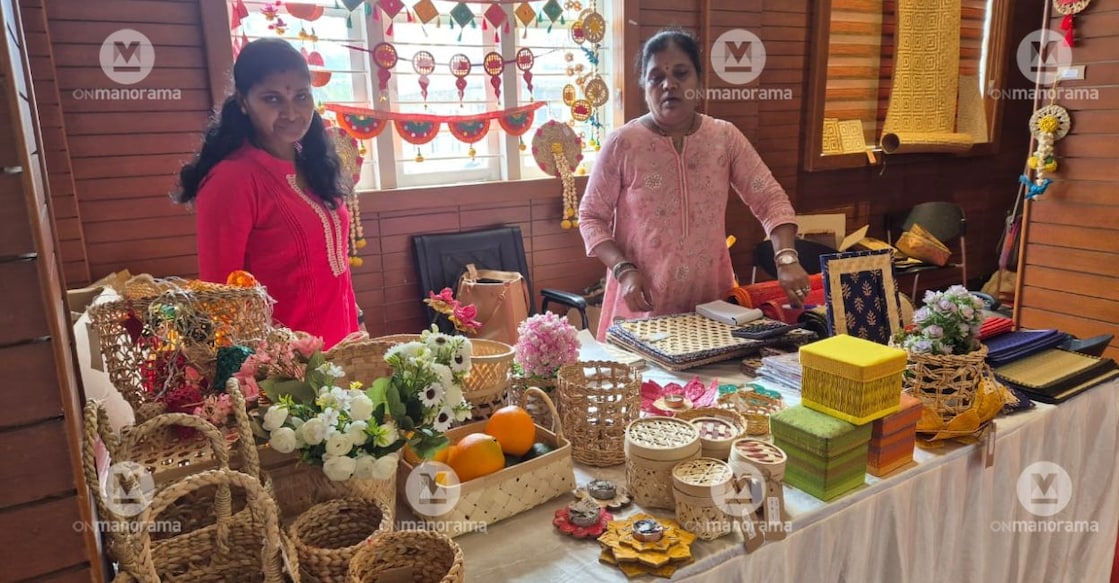
For those who believe that the beauty of a handmade product lies as much in the story behind it as in the finished piece, the Hortus Crafts Bazaar, an initiative of Malayala Manorama, at Ernakulam Town Hall offers plenty to discover. Bringing together artisans, designers and craft collectives from across the country, the bazaar gives visitors an opportunity to browse distinctive products, meet the people who make them and understand the painstaking craftsmanship behind each creation.
The event was inaugurated by actor Namitha Pramod, who spoke about the need to celebrate and support India’s artisan communities. For her, the appeal of the bazaar lies in the stories and effort woven into every product.

“Kerala is blessed with so much artistic culture. When you walk around the exhibition, you see so many varieties, and you naturally feel like taking something home. There is so much hard work behind these products,” Namitha said.
Her interest in traditional crafts is also personal. Namitha recently launched Namma Desi, a handloom and Kanchipuram silk boutique in Ernakulam. Her travels and work with handloom products have given her a closer understanding of the effort involved in keeping traditional crafts alive.
“I own Namma Desi, which focuses on handloom, and I travel a lot. I will also be travelling to the north, so I personally understand the effort that goes into these crafts. That is why seeing so many artisans here is exciting for me,” she said.
From forgotten weaves to contemporary designs
Among the attractions at the bazaar is the work of Bengaluru-based designer Chanjeev Kaur, who brings together traditional textiles with contemporary design. Her collection includes crocheted blouses paired with hand-painted chiffon sarees, Chanderi silks and tissue Tussars. Some of these textiles, she points out, are becoming increasingly difficult to source, making their presence at the exhibition even more significant.
The Vanitha Handloom Cluster is another highlight. The cluster, which won the Best Cluster Designer-Apparel award for its innovative design theme, showcases traditional Kerala sarees that blends sustainability with traditional weaving. Among its distinctive creations is a set saree made using pineapple and banana fibre.

For home and décor enthusiasts, the bazaar offers an equally interesting selection. The Little Studio by Thrissur-based Anu Cheeran features tableware, sculptures and home décor pieces that bring handmade artistry into everyday spaces.
Craft with a sustainable soul
Sustainability is another strong theme running through the bazaar. Green Craft, a producer company owned by women-led producer groups across rural communities in Tamil Nadu, Karnataka and Odisha, showcases products made from natural materials such as banana fibre and bamboo. Creations using chempa and river grass further demonstrate how local materials can be transformed into functional and aesthetically appealing products.
At Thilohri, natural dyes take centre stage. The collection includes kurtas and short tops made using dyes derived from indigo and pomegranate leaves in Udaipur. Flowing dresses, relaxed separates and statement skirts give these traditional techniques a contemporary wardrobe appeal.
The stories woven into every textile
The Ajrak collection is another must-see for textile enthusiasts. Tenth-generation master artisans Jabbar Khatri and Mubin Khatri bring with them a craft tradition that has been passed down through generations. Their Ajrak textiles showcase an intricate 16-step resist-printing process using natural dyes, offering visitors a glimpse into the patience and precision required to create each design
Chikankari lovers, meanwhile, can explore the work of skilled artisans from the Welfare Association of Chikankari Artisans. Delicate floral motifs and intricate threadwork highlight the finesse of the Lucknow craft, with traditional techniques finding expression in contemporary designs.
The bazaar also features artwork from Earthroute and TOT (Tale of Thari), Odisha Sambalpuri Ikat handlooms and creations from Sirumugai Handloom. Based in the famed weaving region near Coimbatore, the Sirumugai artisans showcase silk and cotton sarees that reflect the area's long-standing textile heritage.
Keeping disappearing traditions alive
For Dr Lalitha, a representative of Tamil Nadu's Sittilinghi Artisans Arts Association, preserving craft is about much more than selling handmade products. Her group represents around 80 hand-embroidery artisans and works to keep traditional embroidery practices alive. She also highlights the Lambadi community, known for its distinctive hand embroidery. Traditionally associated with a nomadic way of life, the community has experienced changes that have placed some of its traditional craft practices at risk.
“Now they are settled, and some of that craft is disappearing. What we are trying to do is revive it,” she said, explaining the association’s efforts to support artisans and preserve their embroidery traditions.
For visitors, this makes the Hortus Crafts Bazaar more than a shopping destination. Every saree, embroidered piece, ceramic object or woven product represents hours of skilled work and, in many cases, generations of knowledge. Edimannickal Gold and Diamonds Managing Director Sunny Thomas, Ambily Sunny, managing partner of Amaera, were also present during the inaugural event.
