
Kerala HC dismisses priests’ customary claims over Vahanams atop temple flag masts; upholds TDB circular
Mail This Article


Kochi: When an old temple flag mast is replaced, what happens to the sacred sculpture of the deity’s divine vehicle, known as ‘Vahanam’, mounted at its top? Does it belong to the Devaswom Board or can the Thantri claim it as a customary right?
This question triggered a controversy at Sabarimala after the gold-coated ‘Vaji Vahanam’, the sacred horse mount of Lord Ayyappa, which stood atop the shrine’s old flag mast, was handed over to Thantri Kandararu Rajeevaru in February 2017. The issue resurfaced in January 2026 when the Special Investigation Team (SIT), probing the Sabarimala gold misappropriation case, seized the 11-kg Panchaloha artefact from his residence in Chengannur.
The debate centred on whether the Thantri was entitled to retain the artefact as a customary offering under the traditional text Thantra Samuchayam or whether it should have remained the property of the Travancore Devaswom Board (TDB).
A Kerala High Court judgment delivered on November 3 has examined a similar customary ownership claim made by priests’ body over ‘Vahanams’ removed from old temple flag masts, upholding a 2012 TDB circular that requires damaged or replaced temple objects to be retained as Devaswom property.
The judgement in a plea filed by the priests’ body does not mention Sabarimala or the Vaji Vahanam controversy. However, the court’s findings on the customary rights claimed by Thantris over Vahanams removed from temple flag masts bring renewed relevance to the ownership debate that surfaced during the Sabarimala gold controversy.
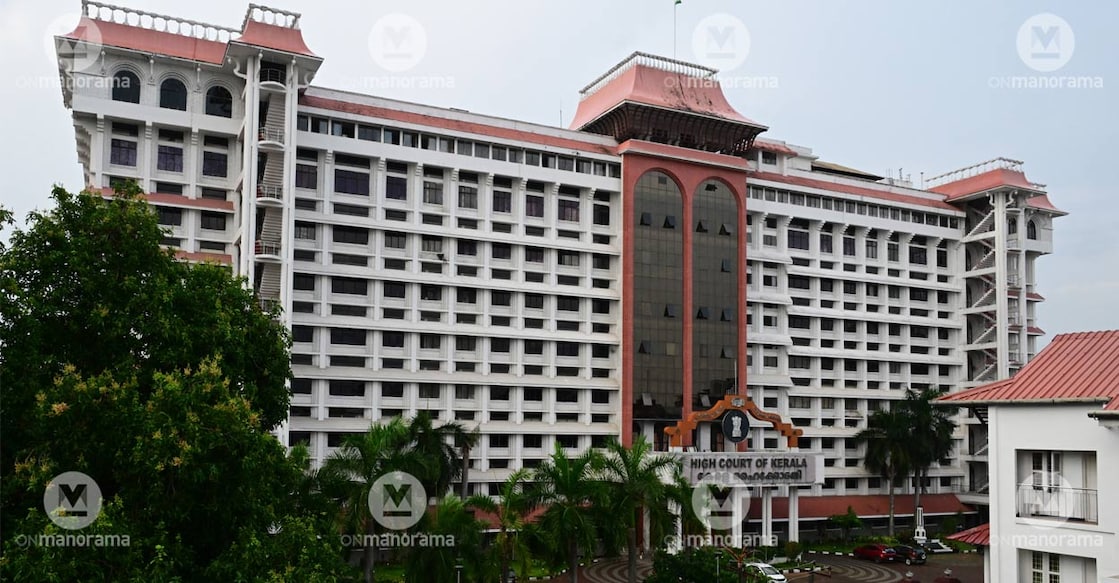
A Division Bench comprising Justices Raja Vijayaraghavan V and KV Jayakumar dismissed a writ petition filed by MS Sreerajkrishnan Potti and N Vishnu Namboothiri, Chairman and Vice Chairman of the Akhila Thantri Pracharak Sabha, seeking to quash the TDB circular dated September 17, 2012.
Customary claim over ‘Vahanams’
The petitioners challenged the circular insofar as it required replaced temple objects, including Vahanams atop old flag masts, to remain Devaswom property. They argued that Thantris were entitled to receive such metal objects as Dhanam (donation) under Verse 34 of the Shilpa Bhagam in the traditional text Thantra Samuchayam.
According to their interpretation, when an old flag mast is replaced, the metal ‘Vahanam’ mounted on top, depicting an eagle, bull, tiger or horse (Vaji Vahanam), must be offered to the Thantri or melted down and handed over to him.
They contended that this was a customary practice followed for generations and constituted unwritten law protected under Article 25 of the Constitution. They also cited earlier communications from Devaswom officials to argue that the practice had continued even after the 2012 circular came into force.
Rejecting the argument, the HC drew a distinction between the Thantri’s religious responsibilities and the secular administration of temple property.
“The authority to perform and supervise religious ceremonies must be distinguished from the right to own or deal with the property of the deity,” the Bench observed.
The court held that once property is dedicated to a deity, it becomes the deity’s property, with those entrusted with its management holding it in trust. A Thantri’s ritual authority does not, by itself, confer proprietary rights over such assets.
“Any additional customary entitlement claimed over the property of the deity must be independently established in accordance with law and cannot be presumed merely based on a ritual prescription contained in the Thantra Samuchayam,” the order states.
Sabarimala Vaji Vahanam controversy
The customary ownership argument examined in the judgement bears relevance to the controversy over Sabarimala’s old ‘Vaji Vahanam’.
When the shrine’s old flag mast was replaced in February 2017, the horse-shaped artefact was handed over to Kandararu Rajeevaru under the supervision of a High Court-appointed Advocate Commissioner.
The transfer came under renewed scrutiny after the SIT seized the artefact from the Thantri’s residence during its investigation into the Sabarimala gold misappropriation case. It was produced before the Kollam Vigilance Court on January 13, 2026.
The Thantri and traditionalist organisations defended the handover as a legitimate customary entitlement under the Thantra Samuchayam, while the TDB maintained that replaced temple valuables should remain Devaswom property.
The November 3 judgement does not examine the circumstances or legality of the 2017 transfer or determine ownership of the seized Sabarimala artefact. Nevertheless, its observations on the distinction between ritual authority and proprietary rights provide a legal context to the arguments advanced during that controversy.
TDB circular upheld
The circular was issued following representations from the Thantri community seeking enhanced remuneration and other benefits. The Board subsequently revised the Dakshina, Dearness Allowance and Travelling Allowance payable to Thantris and temple assistants.
The HC referred to Chapter XI of the Devaswom Manual, which requires valuables, including flagstaffs, bells and articles made of gold, silver and Panchaloha, to be entered in designated registers.
The court also rejected the petitioners’ reliance on earlier communications from Devaswom officials, holding that these did not have the authority or binding effect to override the 2012 circular.
Observing that the guidelines had been followed for 14 years, the court found no grounds to interfere with the circular and dismissed the writ petition.
