

'Is there no nightlife in Keralam?': HC questions police crackdown on DJ parties
Mail This Article


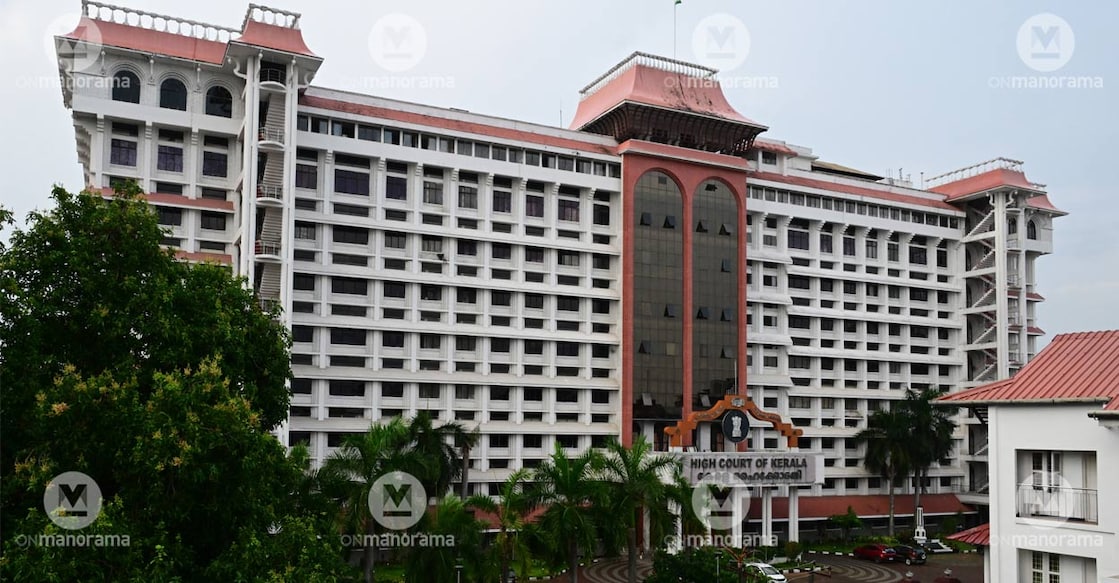
The Kerala High Court on Monday questioned the basis for police action targeting DJ parties and nightlife in the state, observing that imposing a blanket ban on such activities would be impractical and excessive.
A Division Bench of Justices Devan Ramachandran and Basant Balaji was hearing the state government's appeal against a November 10 single-judge order that barred police from imposing restrictions on DJ party timings at establishments holding valid liquor licences that permit them to operate late into the night.
Justice Ramachandran questioned why DJ parties were being singled out, observing that the police appeared to be relying on stereotypes linking nightlife with drug use.
The court said DJing is a profession and should be treated as such. “Why specifically DJ parties? You have said that they cannot conduct DJ parties. But they can serve liquor there. You have no problem with the consumption of alcohol because the government gets revenue from it… Should we say that nobody can dance in a bar or listen to music? How can we say that listening to music or dancing leads to drug consumption? Don't people dance in churches and temples?” Justice Ramachandran asked.
The Bench sought to know whether any law specifically regulates DJ parties and asked the state to clarify the legal basis for the restrictions it was seeking to impose.
“Is there any prohibition law to regulate a party of this nature? Work on it and come back to us,” the court said.
The Bench also questioned whether the police were effectively seeking to restrict nightlife in Kerala, pointing out that people attend such events to unwind.
“Are the police saying that there should be no nightlife? That is not your case, is it? Please clarify the restrictions you seek to impose… People go there (parties) to have a good time. What else is there to do at night in Keralam, apart from going to the cinema or attending such events? How can you prohibit nightlife?” it remarked.
The court cautioned the police against stereotyping DJ parties as venues for drug consumption, stressing that action should be taken wherever violations occur, irrespective of the setting.
“Can we say that drugs are being used there merely because people are dancing? Police should take action wherever such violations occur, including during religious festivals… Our problem in this case is stereotyping. Don't stereotype. Police cannot stereotype,” Justice Ramachandran said.
However, the Bench clarified that its earlier order would not prevent the police from taking preventive measures or enforcing the law against drug use and other prohibited activities. It said a clarification issued on November 13 would continue to operate.
“Policing is not merely acting after a crime, but is also prevention, as statutorily permitted… The crackdown against drugs and prohibited substances should continue at all times and with such force and vigour as is absolutely necessary,” the interim order stated.
The case arose from police restrictions imposed on the Radisson Blu Hotel over its late-night DJ programmes, even though the Excise Department had permitted its bar to operate until 3 am.
The hotel challenged the police notices before the High Court. On November 10, a single-judge Bench quashed them, ruling that the police could not curtail the activities of a licensed establishment merely on the suspicion that criminal activities might take place there.
The State subsequently appealed against the order before the Division Bench.
