

Muvattupuzha Municipality proposes new sewage treatment plant
Mail This Article


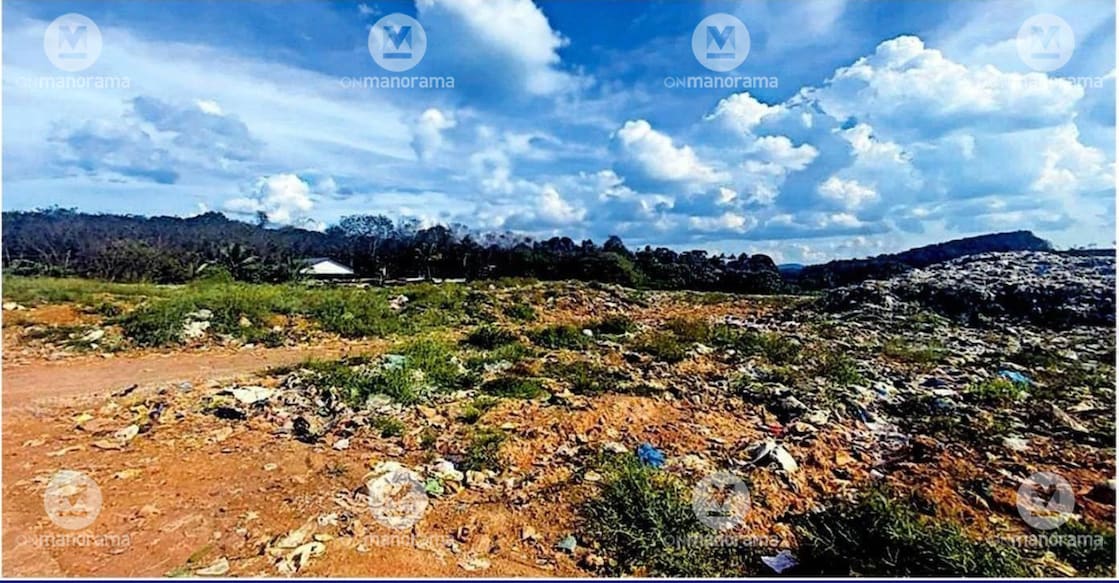
Muvattupuzha: The Muvattupuzha Municipality has proposed setting up a 50,000-litre capacity sewage treatment plant (STP) at its Valakkuzhi waste management site, aiming to find a permanent solution to the civic body’s wastewater crisis. The project has been designed by the Palakkad-based Integrated Rural Technology Centre (IRTC). While the previous council had earmarked ₹6.09 crore for the initiative, the incumbent administration has revised the estimate down to ₹4 crore.
The proposed facility will occupy just 20 cents of land at Valakkuzhi. Amid mounting local protests against the initiative, the municipality plans to hold talks with the local MLA, MP, and other elected representatives to build consensus, alongside launching an awareness drive to apprise residents of the plant's actual workings. The civic authorities have noted that if public opposition persists, the project will be shelved.
The project is designed to collect and scientifically treat septage and greywater generated from households, hotels, and other commercial establishments. It will deploy advanced mechanised de-watering systems and Moving Bed Biofilm Reactor (MBBR) technology. However, in an apparent bid to ease public apprehension, it has been decided to exclude toilet waste (septage) in the initial phase.
Key Objectives of the Project
- Protecting the Muvattupuzha River: The municipality currently lacks a centralised sewage management system, leading to an alarming rise in illegal waste dumping into the Muvattupuzha River. Because this river supplies drinking water across the district—including to the primary Muvattupuzha water treatment plant—unchecked contamination poses a severe public health hazard. Mitigating this risk is the project's primary goal.
- Tackling Foul Odor and Pests: Preventing raw sewage from running into open stormwater drains and vacant plots will eliminate pervasive foul odors and curb mosquito breeding.
- Groundwater and Surface Water Rejuvenation: Scientific wastewater processing will significantly bring down pollution levels in both the river and surrounding groundwater tables.
- Resource Recovery and Reuse: The treated water will be recycled to irrigate municipal parks and landscaped areas, while the processed and dried solid waste will be repurposed as organic manure for agriculture.
- Public Health and Sanitation: The initiative aims to foster a cleaner, healthier urban environment across the municipal limits, effectively checking the outbreak of waterborne and infectious diseases.
