Dipping toes into a premium Onsen bath: Japan’s natural hot springs experience
Mail This Article


Before heading to Japan, a friend back home told me: "Once you get there, make sure you take a bath." My immediate thought was, "Well, don't we all bathe no matter where we are?" But this wasn't ‘just’ any bath. This was an Onsen bath - a bathing experience truly unique to Japan! It's more than just a dip; it's a profound part of Japan's heritage and culture.
In Japan, a land abundant with active volcanoes, hot springs naturally emerge from the earth. These natural hot springs are known as Onsen. It's estimated that there are approximately 27,920 such hot springs across Japan. The mineral-rich waters flowing from these springs contain numerous elements beneficial to the body. Thus, an Onsen bath is known for its revitalising and energising effects.
For a hot spring to officially qualify as an Onsen, Japan has specific regulations in place. It must be a natural spring, mineral-rich water, or steam vigorously erupting from the earth. The water must maintain a temperature above 25 degrees Celsius, and it must contain specific minerals, including sulfur.
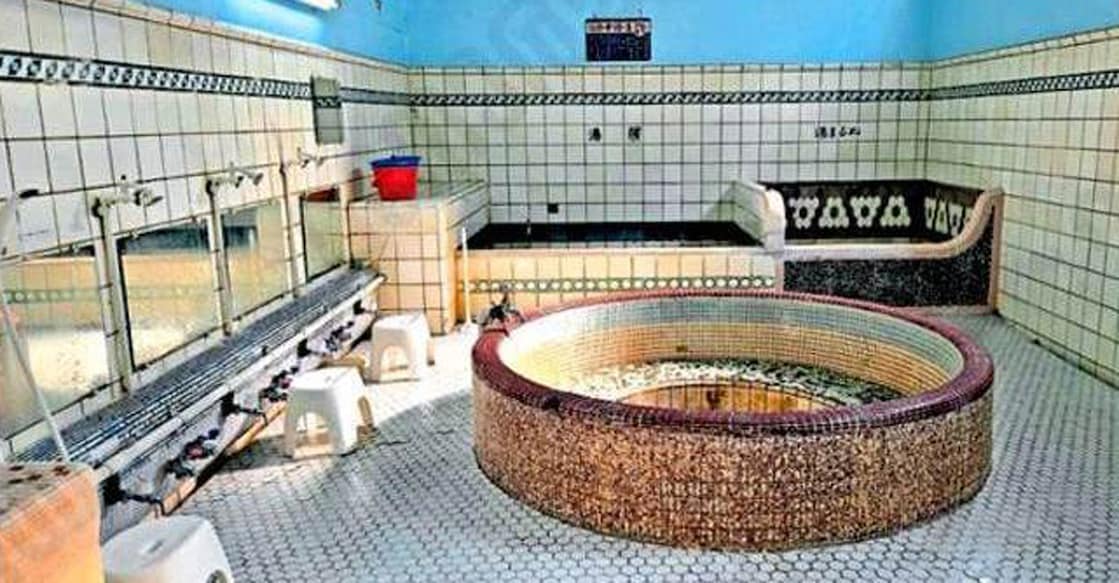
Taking an Onsen bath also comes with its own set of customs and rules. These are public bathing facilities, with separate sections for men and women. Before stepping into the communal bath filled with the hot spring water, one must thoroughly cleanse their body with water. In essence, you are expected to be spotlessly clean before entering the Onsen itself.
Japan also has another type of public bathhouse, similar to Onsen, called 'Sento'. Unlike Onsen, Sento facilities use water that is artificially heated and often enhanced with added minerals. While an Onsen experience can cost upwards of 600-700 Indian rupees, a Sento bath is a more affordable option, usually around 300 rupees.