

Autopsy of the 2-0 whitewash reveals a systemic malady

Mail This Article


The hurt was not as much the size of the defeat as the manner in which the star-studded side gave up without a fight. Statisticians were quick to point out that the 408-run loss suffered by India at the hands of South Africa in the second Test of the recently concluded series was the largest ever in terms of runs in the 93 years since the side began playing cricket at the international level. There is no doubt that the huge margin of defeat is a cause for shame, as it comes in a home series, where the hosts hold all the aces. But what hurt the followers of the game even more was the fact that the much-lauded side went down without even a whimper.
When one scans the history of the game in our country, one can find only three instances in the past when the national side appeared completely clueless on the field in a home series. The first was during the series against the West Indies in 1958-59, when India had four different captains in a five-match series that we lost 0-3. The next was during the 1984-85 series against England, when a running feud between two key players saw the home side's performance levels plummet from the second Test onwards, after they had won the first by a handsome margin. The last such instance took place in 2000, against South Africa, when the team appeared lost, went through the motions, and was outplayed in both Tests.
There were underlying reasons behind each of the debacles cited above. In the first instance, constant chopping and changing of captains and members of the playing XI left no room for the team to function as a unit, and they were mauled by West Indies, which boasted of having players such as Gary Sobers, Wes Hall, and Rohan Kanhai in their ranks.
The differences between Sunil Gavaskar and Kapil Dev were well known, but the two had not allowed them to spill over into the field until the Delhi Test of 1984-85. A rank bad shot played by Kapil and the collapse of Indian batting after led to a rather weak England side gaining the upperhand in the series.

Sachin Tendulkar's announcement that he would not lead the side after the series against South Africa in 2000 added to the players' confusion, who were already reeling from the defeat at the hands of Australia in an away series, and led to a listless show.
In other words, the earlier huge defeats were not completely unexpected, though they also caused sorrow and humiliation. But in the present case, there were no warning signs of an impending catastrophe. The national side had equipped itself extremely well during a hard-fought five-Test series in England, where they shared the honours with the hosts. The new captain had not only settled into his job but was also scoring mountains of runs, indicating that the challenge of leading the side brought out the best in him as a batsman. All the batsmen were in good nick, and the bowlers, both pace and spin, were fit and raring to go. There were none on the injured list, and it looked as if nothing could stop the Indian juggernaut when the series started.
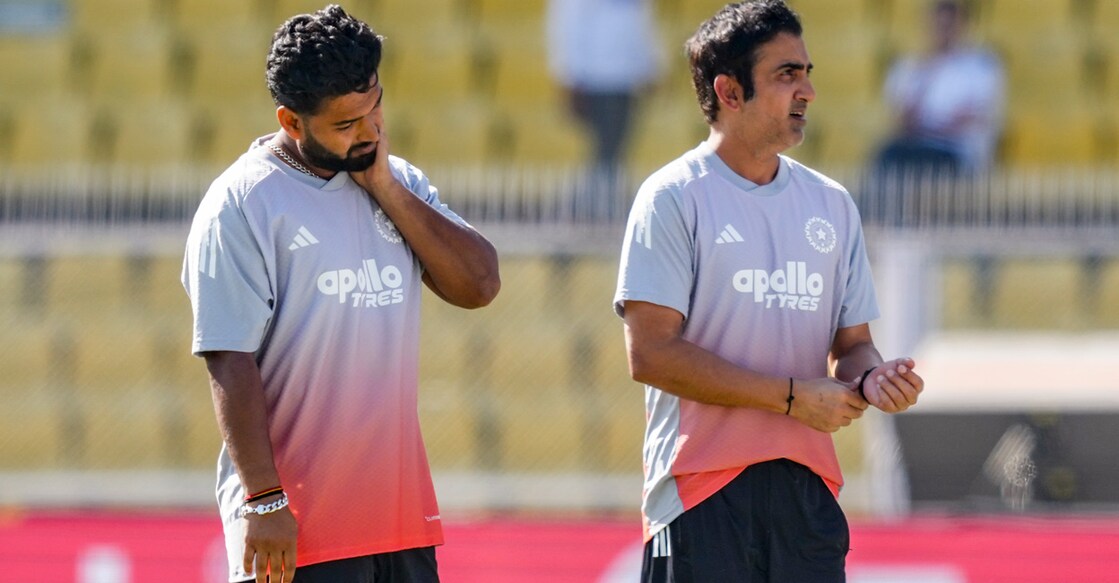
What could have caused this sudden steep fall in performance during the two Tests against South Africa? The media has fixed the blame on coach Gautam Gambhir and held him responsible for the humiliations suffered on the field. Surprisingly, the coach is painted as the villain of the piece for batting failures that saw the side flounder badly on the four occasions. There were some adverse comments about the shot played by Rishabh Pant, who led the team in Guwahati in the absence of Shubman Gill, in the first innings, but, on the whole, the fans' ire has been directed at Gambhir, with many even calling for his head.
This brings us to the question of whether Gambhir is the only person responsible for the national side's poor performance. It is true that he made many shocking calls during the series against South Africa. The constant changes in the batting order, the decision to pack with the side with all-rounders at the expense of specialists and an extreme reluctance to look beyond a specific set of players are some of the reasons that made him extremely unpopular with the public. It baffled everyone to see Washington Sundar, who batted at No. 3 with a high level of competence and comfort on a minefield of a pitch at Kolkata, walking out after the fall of six wickets at Guwahati. Similarly, the decision to play Nitish Kumar Reddy, who contributed little with either the bat or the ball, did not bring the coach any credit. His arrogant visage, past connections with the politics of the ruling party and some of the calls he made as the coach of Kolkata Knight Riders (KKR) all continue to haunt him and add to his unpopularity.
But the fact remains that the failure at Guwahati was not brought about solely on account of playing Nitish Reddy or sending Washington to bat at No.8. It was due to the collective failure of batsmen who failed to put their heads down to build an innings and the bowlers sending down their overs without any obvious plans. This has more to do with the poor atmosphere in the dressing room, lack of pre-match planning, and unfocused decision-making on the field.
Though the coach plays a significant role in team selection and pre-match preparation, it is the captain who runs the show once the proceedings commence in the middle. With the benefit of hindsight, it can be seen that the area where India came second best in the series pertained to captaincy.
Gill suffered a neck spasm while batting in the first innings at Kolkata. This injury was serious enough to prevent his further participation in that Test and ruled him out of the next game. His calm presence at the critical No.4 spot was missed in the second innings when India made a mess of chasing 124 runs. Had Gill been fit, he and Washington Sundar, who batted with a fair degree fo comfort at one drop, would have guided the home side to an easy win. It was the lack of discipline amongst the batsmen that resulted in India falling short of an easily achievable target at Kolkata.
The absence of Gill was felt more at Guwahati, where the approach of the batsmen was akin to those of cricketers enjoying a Sunday afternoon village game. The worst culprits were Pant and Dhruv Jurel, as their loose strokes allowed Marco Jansen to rediscover some of the venom that was defanged by the opening pair of Yashaswi Jaiswal and KL Rahul. Pant’s poor shot selection not only displayed his indifferent mindset but also indicated the whole side's callous approach to the game. When the skipper gets dismissed playing an irresponsible shot, it is impossible for the team to find the extra inspiration and motivation to pitch in and save the game.
The moral of the story is that India were undone more by the apathetic attitude of the captain than by the machinations of the coach. Pant was saved from the anger of the fans solely on account of his heroics with the bat in the past when he had braved serious injury and extreme physical pain and served the cause of the team. But this episode sends home the clear message that while he is a courageous and lionhearted cricketer, he is not an apt choice for leading the side. A player who cannot adjust his game to the requirements of the situation cannot be vested with the onerous responsibilities that come with being captain of the Indian cricket team.
“Indians tend to pin their hopes on one or two heroes. So when the hopes get destroyed, the heroes come crashing along with them” Tiger Pataudi had written these prescient lines almost six decades ago in his book “Tiger’s Tale”. The autopsy of this debacle should not stop with calls for Gambhir’s head or divesting Pant from captaincy. A deeper look into the rot in the system, wherein senior players do not take part in domestic first-class cricket, and players who perform well in that arena find it difficult to break through to the national side, is called for. It is unlikely that Gambhir will be touched, given his clout with the powers that govern BCCI presently, and Pant is not the regular captain of the side either. Further, taking action against individuals will only amount to applying a superficial balm when the malady runs deep.
BCCI should use the opportunity presented by this defeat and the outpouring of angst from the sport's followers to conduct a deep introspection into this matter. The ills plaguing the game, which lead to the national team suffering huge defeats at home, need to be identified and appropriate remedial actions taken without any delay. A nation of billion-plus cricket-crazy people deserves better performance from its national side.
 Add as a preferred source on Google