

Planning a hiking or trekking trip? Experts share helpful tips
Mail This Article


Ever heard of the quote, 'the best view comes after the hardest climb?' At a time when workplace stress and the race, along with AI, are forcing people to try out new, refreshing activities, the popularity of hiking and trekking is exploding globally. 'Trail socialising' has even become a widely used term among those who want to meet people outside typical settings, step away from screens, and look for hidden gems. Renowned Kerala mountaineer and adventure specialist Sheikh Hassan Khan, along with mountaineer and psychologist Ashil Joseph, offer a few helpful tips for those planning these activities.
The forests
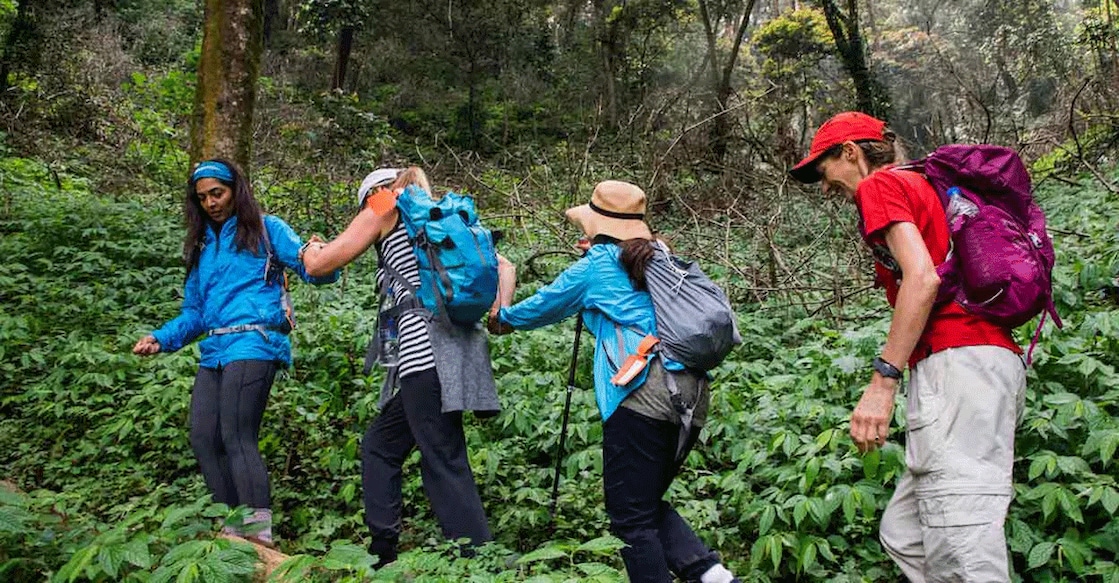
People have been drawn to the mysterious wilderness of the jungles for ages. Such trekking trips are gaining attention in the modern age because of social media's influence. Reels and viral videos on social media inspire people to try their hand at these exciting trips.

Shinrin Yoku is a Japanese practice that literally means ‘forest bathing’. It involves walking slowly among the trees without trying to reach a destination, and spending quiet, mindful time in the forest, allowing yourself to experience your surroundings through all your senses. Many research studies have proved that walking slowly in the forest can significantly reduce stress and anxiety. In addition, organic compounds called phytoncides released by trees can improve immunity.
Agastyarkoodam is one of Kerala's major trekking destinations. The two-day-long trekking trip in the majestic ranges of Aastyarkoodam lets you experience the forest in the most intimate way.
From hiking to trekking
Most of the ‘trekking’ trails here are actually just hiking. These routes are low-risk and can be done in a day. Trips to Banasura, Kathirmudi and Chokramudi are all hiking trips while Chimmini and Arippa are forest walks. In Kerala, forest trekking is a guided trip led by the forest officials. However, in states like Maharashtra, you can enjoy forest trekking without a guide.

Trekking typically lasts for more than one day. High–altitude trekking means trekking in mountainous areas where adventure and exciting experiences await. The Everest Base Camp and the Annapurna Circuit are perfect examples of high–altitude trekking. However, trekking that involves climbing should be approached more technically. Meanwhile, trips to the summit of Mount Everest, which is located more than 8000 meters above sea level, are called expeditions. Meesapulimala is the highest summit that could be trekked in Kerala.
Alpine style
You can trek solo or join a trekking group. Forming deep friendships with fellow trekkers or strangers at camps has become very common today. You could either book a trekking trip or plan your entire journey on your own. In Alpine style, trekkers move independently from one camp or point to another, staying in tents they set up themselves rather than relying on a prebooked plan or hotel accommodations. Alpine-style trekking could take you completely out of your comfort zone and put you in unfamiliar or strange situations.
The return
Trekking is not a leisure trip where you enjoy the scenery or visit touristy places. You need to read and study a lot about a place before trekking it. Good knowledge of the region's flora, wildlife, and nearby hamlets and rivers will help you complete the trek successfully. Moreover, it is important to respect nature and preserve the area's ecology.
The main goal should be to return safely from the trek. So, proper planning and safety precautions are essential for any trek. Trekkers should follow the guide's instructions and avoid trespassing in restricted areas to stay safe. Don't forget to carry enough food and water, plus a first-aid kit, blanket, multi-tool box, light, and sleeping bag, in case you get lost and need to spend a night out. Also, don't forget an offline map.
Top trekking spots of Kerala
According to Kerala Tourism, here are a few trekking trails worth your time in the state:
a) Kodikuthimala (Malappuram)
b) Parunthumpara (Idukki)
c) Kottancherry Hills (Kasaragod)
d) Thoovanam (Idukki)
e) Meesappulimala (Idukki)
f) Paniyeli Poru (Ernakulam)
g) Aralam (Kannur)
Fitness
Looking fit is not enough to complete a good trek. Make sure you build good muscle strength if you plan to trek. Moreover, your body should be strong enough to survive cold weather, high–altitude terrain, and minor injuries. Practising breathing exercises will keep you calm in tense situations. Your shoulders should be trained to carry heavy backpacks. Climbing the stairs at the office instead of taking the lift and regular walking are activities that train your body for your dream trek. Choose bags with proper back support, good trekking shoes, and outfits that reduce dehydration, dry fits, and moderate colours to stay comfortable while trekking.
Start walking
Those who wish to experience trekking could start with forest walks. Taking short hiking trips or joining trekking communities is the first step toward fulfilling your trekking dreams.
