UK tourists lead the pack as Kerala tourism registers double-digit growth: Infographics
Mail This Article


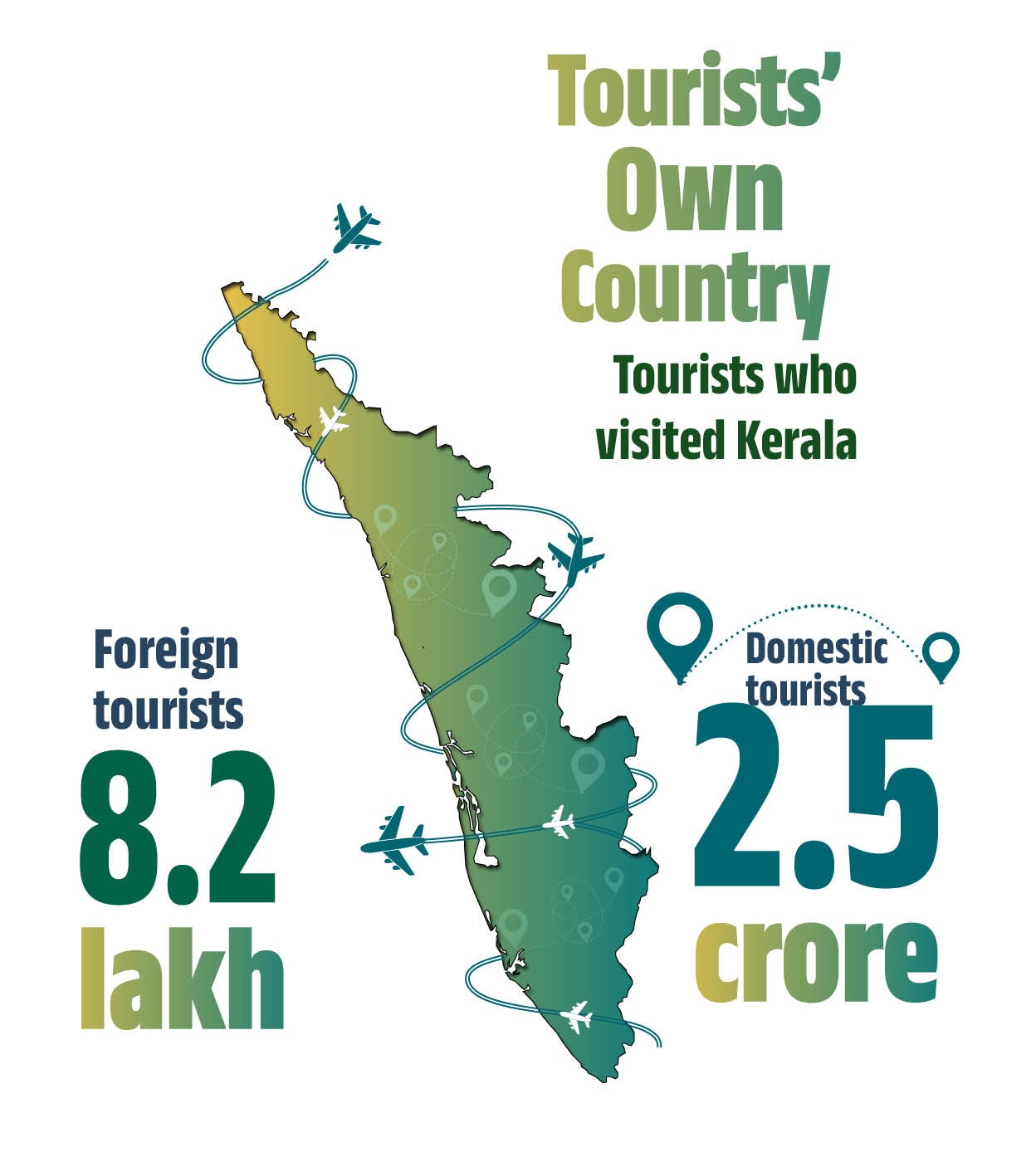
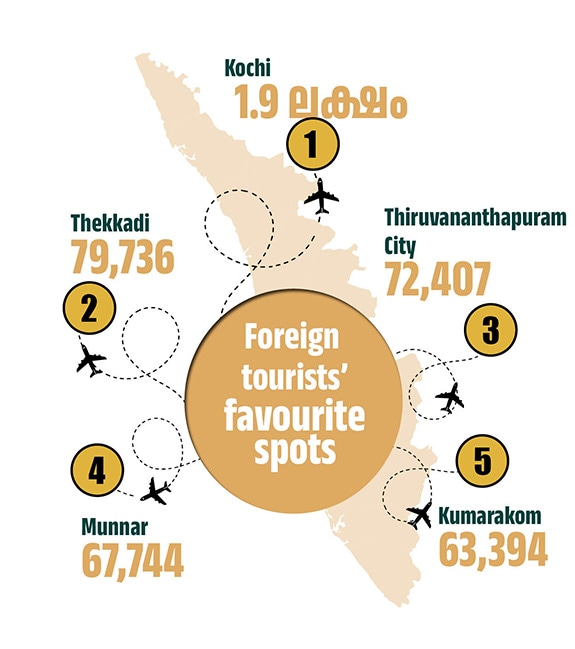
Kerala, famously marketed across the globe as 'God's Own Country', continues to cast its spell on travellers worldwide. Known for its tranquil backwaters, mist-shrouded hill stations, and rich cultural heritage, the southern Indian state has registered a significant surge in its tourism sector. According to the latest data, the state welcomed 821,999 foreign tourists, marking a stellar 11.33 per cent growth compared to the previous year.
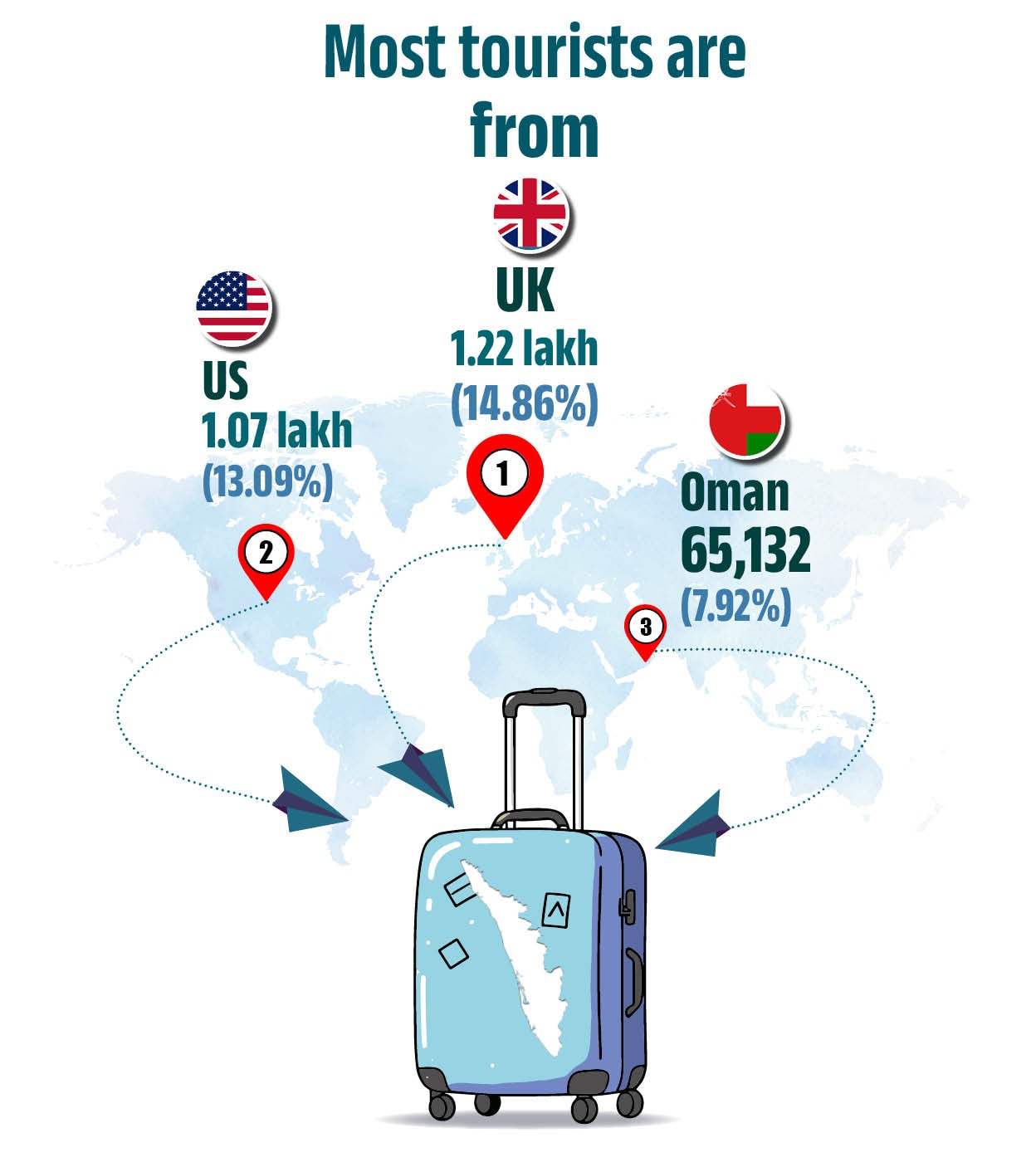
UK travellers lead the international influx
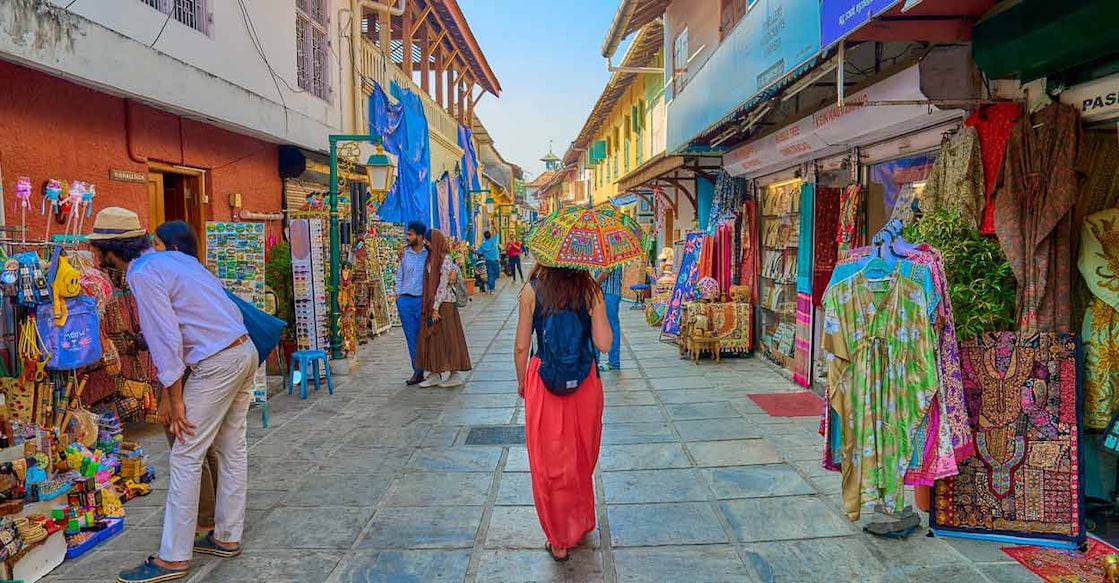
Among the global globetrotters flocking to Kerala's palm-fringed shores, visitors from the UK comprise the largest contingent. The historic ties, comfortable weather during the winter months, and well-connected flights make Kerala a favourite destination for British holidaymakers looking for an authentic Indian experience. From heritage walks in Fort Kochi to peaceful houseboats in Alappuzha, the British preference for Kerala's diverse landscapes remains unmatched.
Ernakulam remains the ultimate hotspot
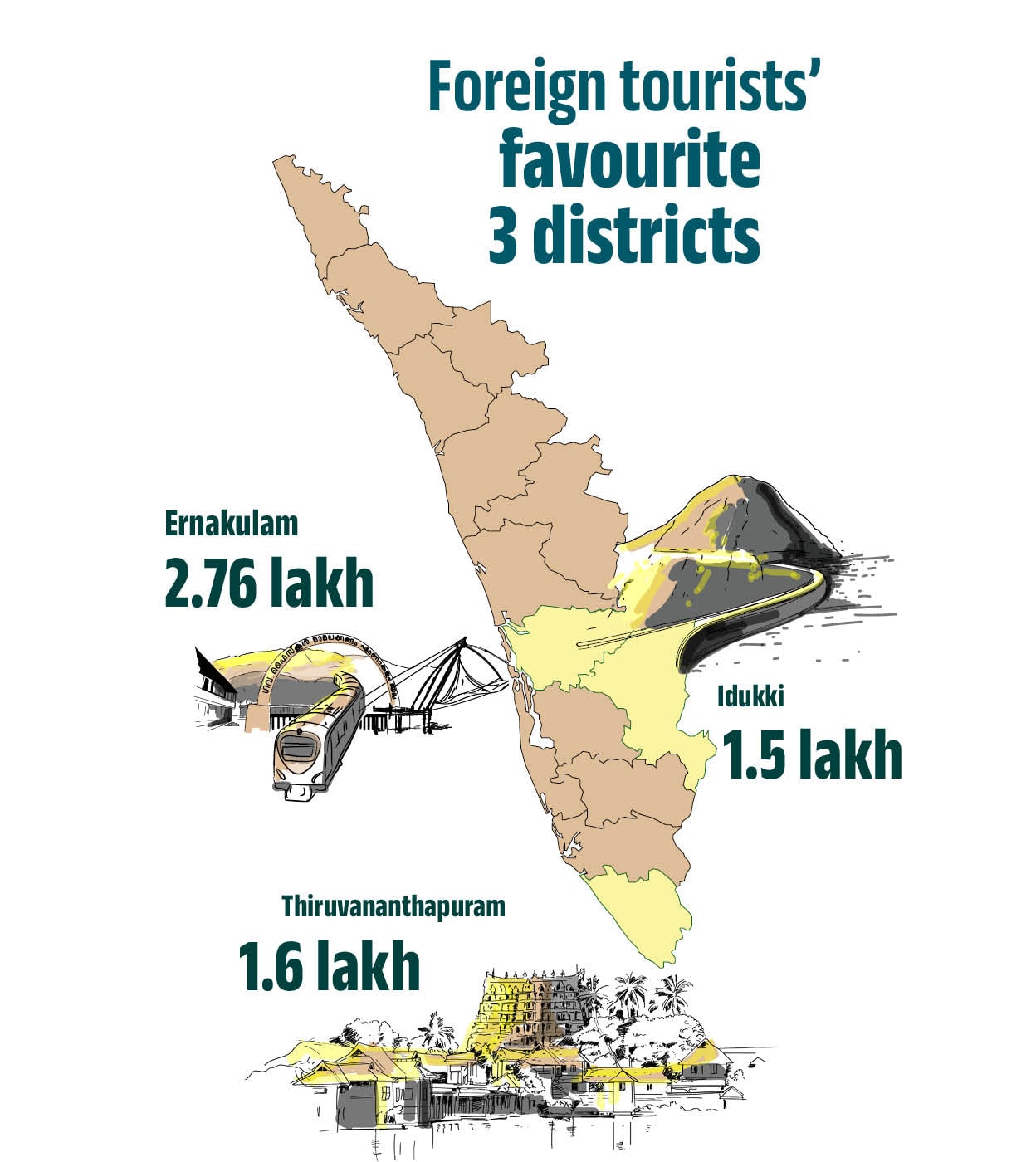
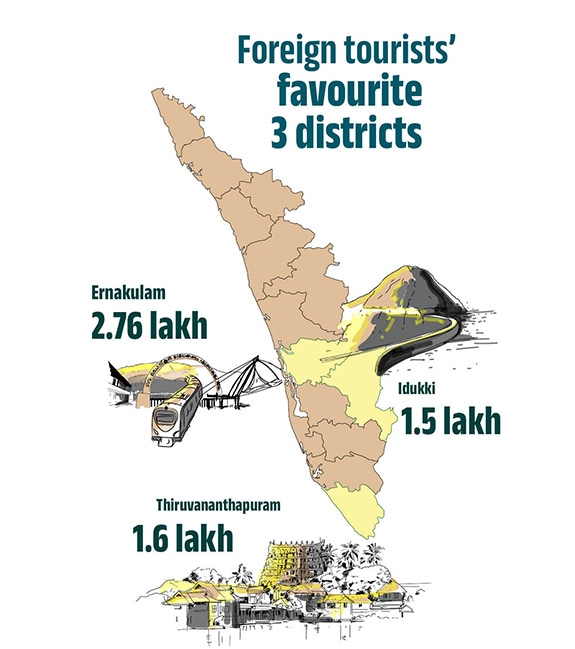
When it comes to preferred bases, Ernakulam district continues to be the undisputed favourite for international visitors. Acting as the commercial and cultural gateway to Kerala, Ernakulam offers the perfect blend of modern infrastructure and historical charm. The ancient spice-trading port of Kochi, historic synagogues, Dutch palaces, and the vibrant local art scene keep tourists anchored here before they head out to other parts of the state.
Domestic tourism reaches new heights
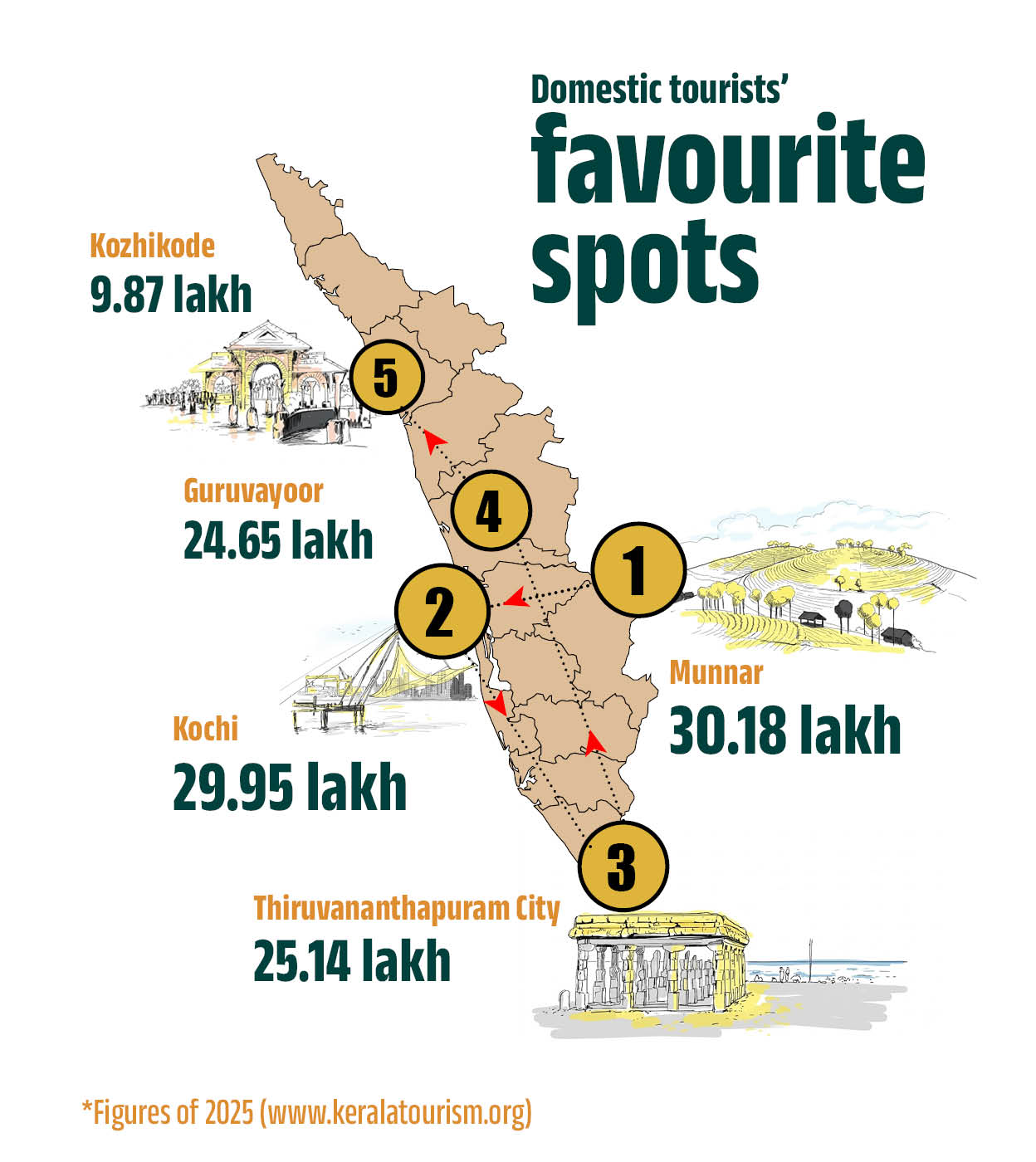
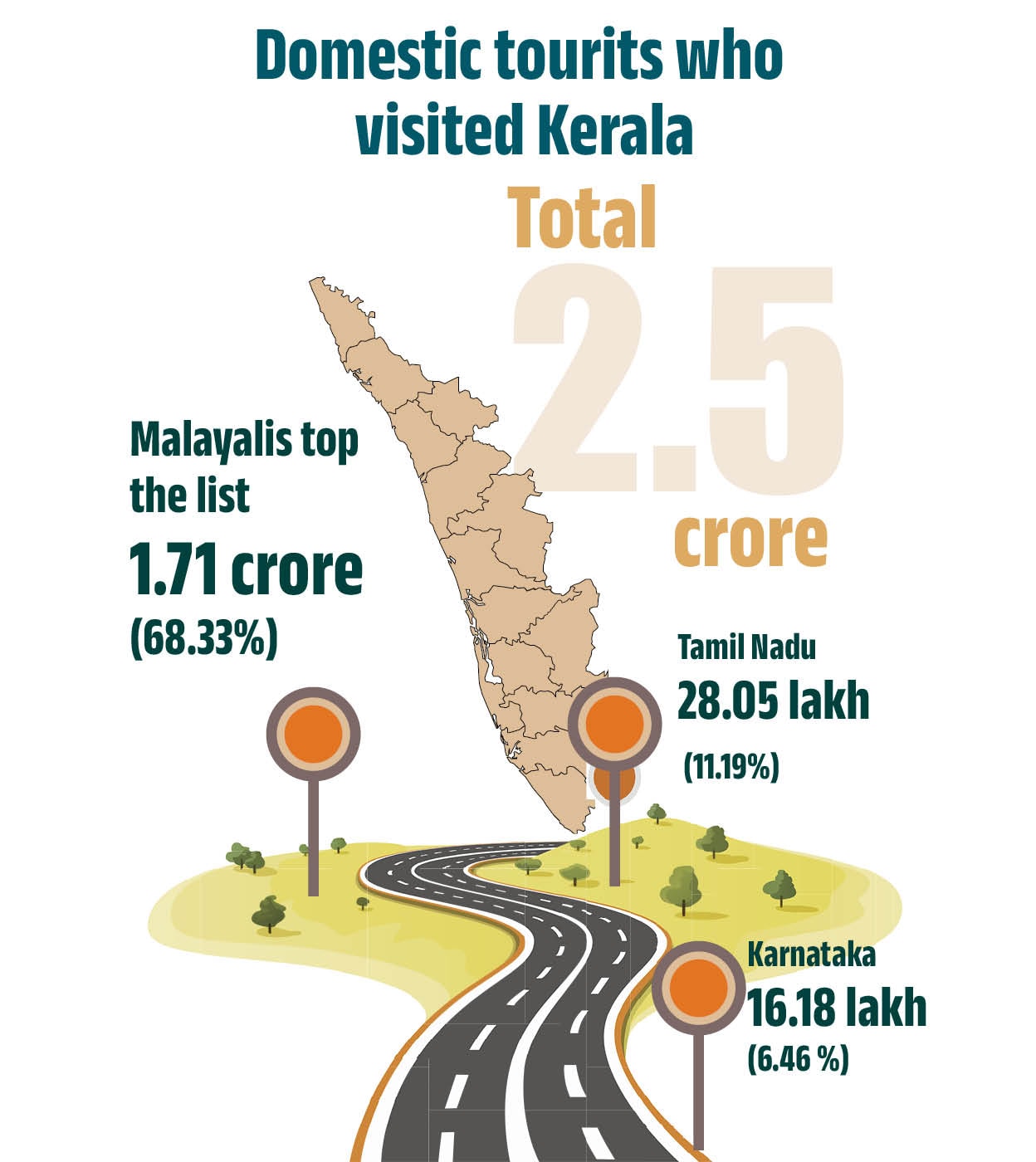
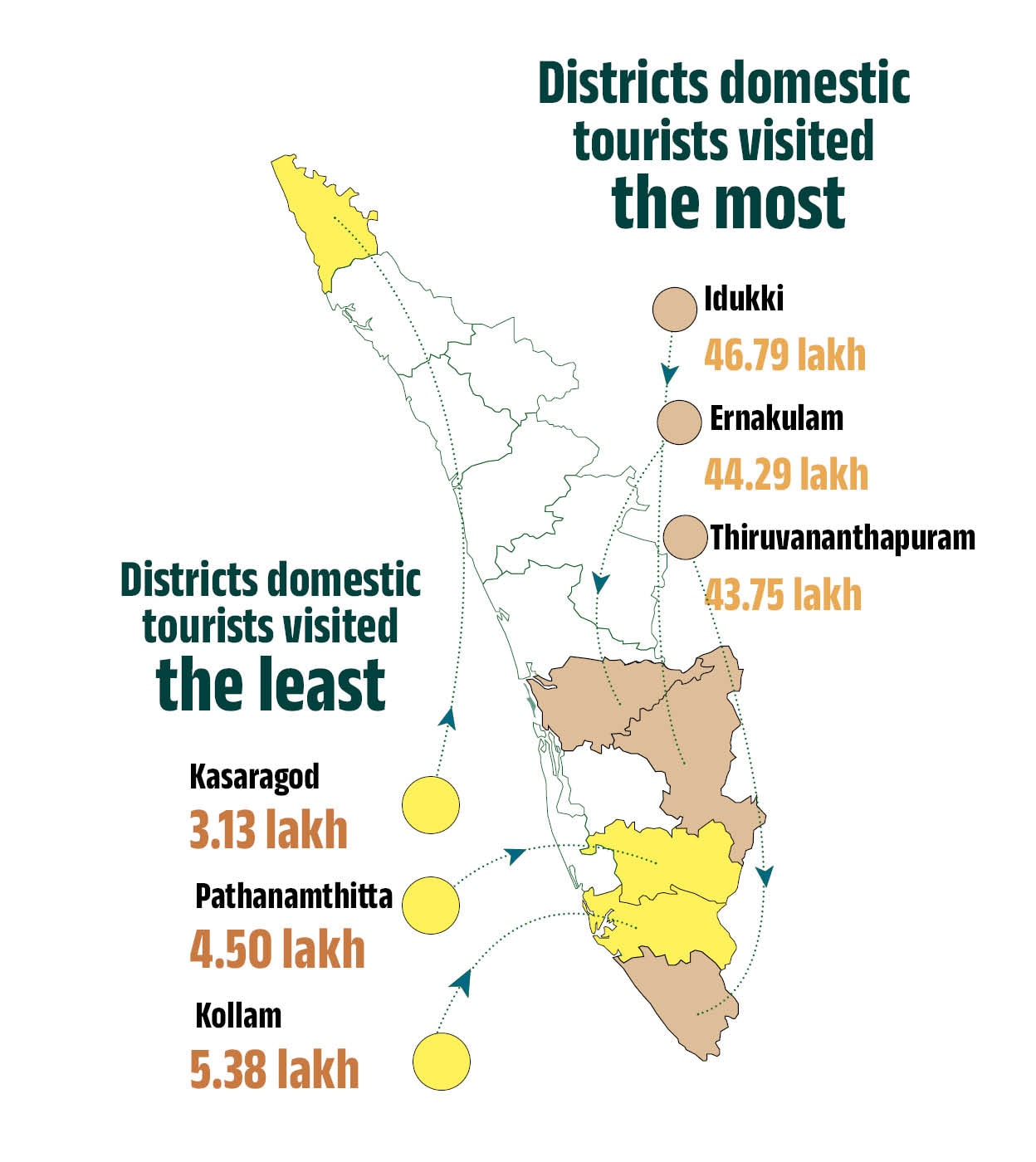
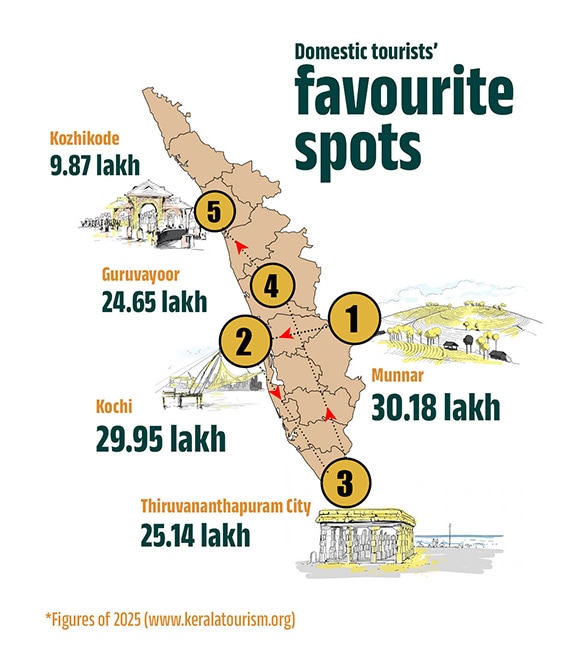
While international arrivals are climbing steadily, Kerala's domestic tourism industry is experiencing an unprecedented boom. Over 2.5 crore domestic travellers visited the state, illustrating the massive appeal Kerala holds for holidaymakers within India. Robust local campaigns, improved highway connectivity, and a rising interest in experiential weekend getaways have all contributed to this domestic surge, making Kerala one of the most resilient travel markets in South Asia.