

Staying safe during severe airplane turbulence: These are non-negotiable
Mail This Article


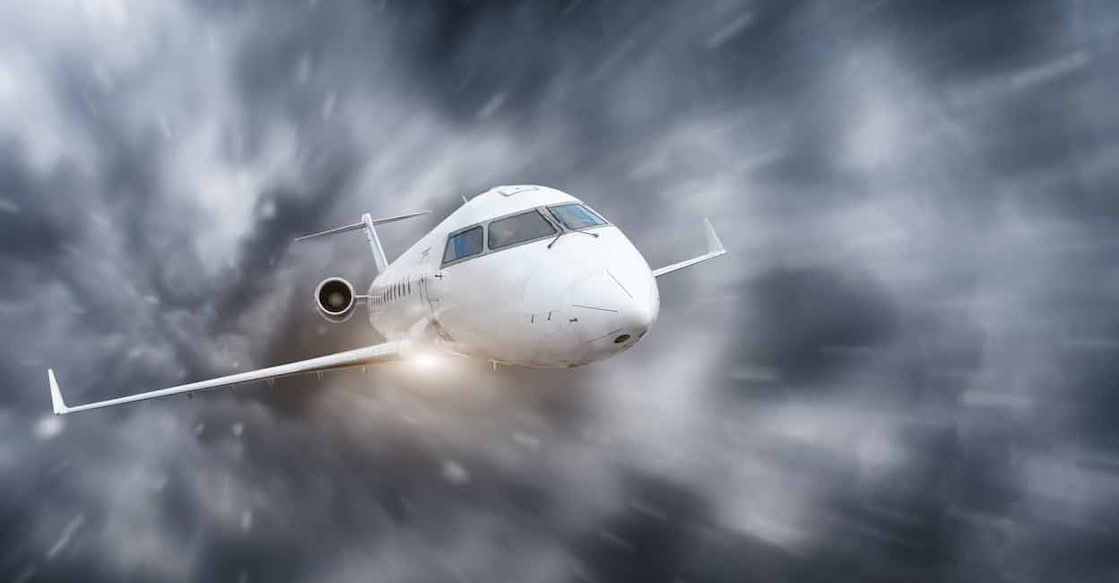
Imagine cruising peacefully at 35,000 feet, watching the clouds drift by, when the aircraft suddenly plunges hundreds of feet. In an instant, calm turns into sheer terror. While the sky may look serene from a cabin window, it hides powerful wind currents and atmospheric vortices. These invisible aerial phenomena are often what cause aircraft to drop abruptly in a matter of seconds.
The menace of clear air turbulence
Among these atmospheric hazards, clear air turbulence (CAT) is perhaps the most dangerous. Unlike typical turbulence associated with storms, CAT occurs in cloudless, clear skies. This makes it virtually invisible to standard weather radars, giving flight crews almost no warning. Apart from CAT, rapid wind shear and sudden shifts in jet streams can instantly disrupt an aircraft's equilibrium.

Autopilot versus manual control
Many passengers mistakenly believe that autopilot systems can automatically handle all such severe flight disruptions. While autopilot is highly effective at managing minor bumps, pilots will immediately disconnect the system and take manual control when extreme turbulence strikes. Rather than fighting the immense aerodynamic forces—which can overstress the airframe—pilots allow the plane to ride the waves naturally, reducing speed and coordinating with air traffic control to find a smoother altitude.
Built to bend, not break
While sudden altitude drops are terrifying, passengers can take comfort in the marvels of modern aerospace engineering. Modern commercial aircraft are designed to withstand extreme turbulence and violent wind forces. The wings are highly flexible, acting as giant shock absorbers that bend under immense pressure to maintain structural integrity. While the experience is deeply unsettling, the aircraft itself is extraordinarily safe.
Recent high-profile incidents
The reality of this phenomenon has hit the headlines globally in recent times. Recently, a British Airways flight from London to Chicago had to descend approximately 27,000 feet in just ten minutes due to technical challenges compounded by severe turbulence, causing oxygen masks to deploy and sparking panic in the cabin. This follows similar terrifying incidents involving Singapore Airlines and LATAM flights, which put a spotlight on the dangers of sudden in-flight drops.
These are non-negotiable
While turbulence is unlikely to cause structural failure, it poses a severe risk inside the cabin. Unfastened passengers can be violently thrown against the ceiling or seats, leading to serious injuries. To protect yourself, always keep your seatbelt securely fastened while seated, even if the seatbelt sign is turned off. Additionally, ensure overhead bins are properly locked, and secure infants in certified child restraints. These simple precautions are your best defence against the sky's invisible currents, ensuring your journey remains safe and pleasant.
Here are a few other tips by the Federal Aviation Administration:
a) Avoid moving around the cabin; stay in your seat.
b) Keep kids secured in a child safety seat
c) Keep bags, electronic and other personal items under the seat or locked away in overhead bins
d) Follow the crew's instructions; listen to emergency announcements
e) To stabilise your body, press your feet firmly on the floor
