

Abhirami, Rahul Pavanan mark another year of love, share special video
Mail This Article


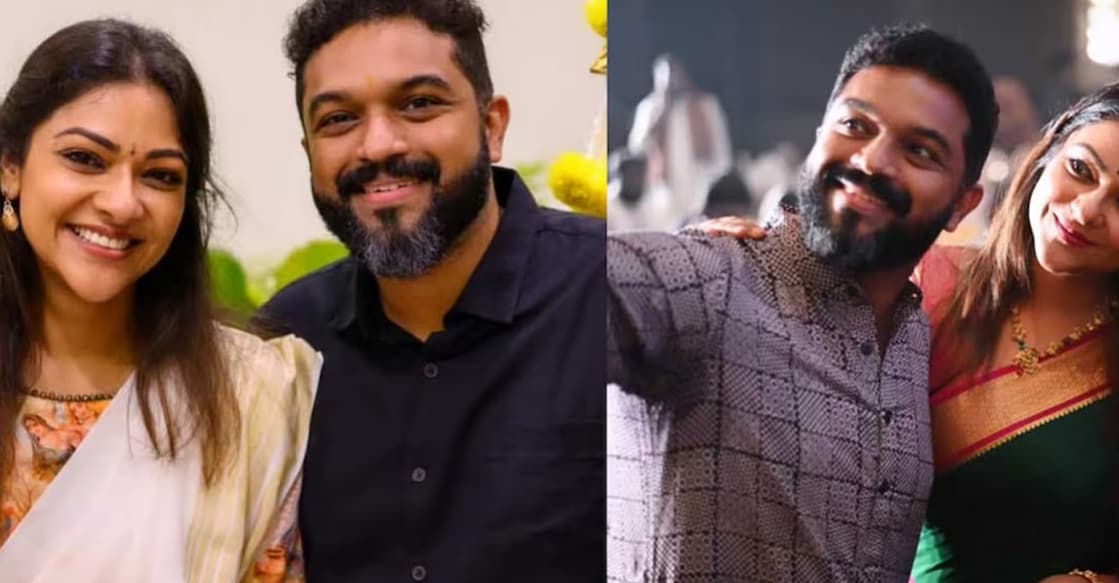
Actor Abhirami who was recently seen in the Kamal Haasan film ‘Thug Life’, shared an emotional post on her wedding anniversary. In her social media note, she thanked her husband Rahul Pavanan for being her constant through failures and successes.
“Happy anniversary my love! From 14 to 42, you’ve been the person I have wanted to share my joys, sorrows, excitements, successes, failures, fears, hopes..You get the gist. Thank you for being my constant in the chaos, my anchor, my best friend. I love you more than you can imagine,” Abhirami,” wrote Abhirami.
Earlier, Abhirami had opened up about her love story with husband Rahul Pavanan in an interview with Manorama weekly. “I was born into a Thiruvananthapuram-based family that had no connections in cinema. My parents Gopikumar and Pushpa were bank employees, and I am their only child,” she said. She fondly remembered receiving love letters from boys at her school, and how she and Rahul had been close friends. Despite his moving to the US, they kept in touch. Over time, their friendship deepened into love, and eventually, they got married. Abhirami also shared that Rahul is the grandson of the renowned writer, Pavanan.
Abhirami made her debut as a child artist in 1995 through ‘Kathapurusha’’n directed by Adoor Gopalakrishnan. She starred in a handful of superhit Malayalam movies- ‘Sradha,’ ‘Njangal Santhushtaranu,’ ‘Pathram’ and ‘Millenium Stars.’ Besides Malayalam, Abhirami was quite active in Tamil, Telugu and Kannada movie industries. She flew to the US for higher studies when she was a leading actress in South India. Abhirami made her comeback to Malayalam cinema through ‘Apothecary,’ almost a decade later. But, she took a break again after this movie, only to return playing a pivotal role in Suresh Gopi-starrer ‘Garudan.’ Now, Abhirami has become busy again essaying prominent roles in movies across South India.
 Add as a preferred source on Google