

First Oscar for female cinematographer: Malayali women veterans call it long-overdue milestone, reflect on challenges

Mail This Article


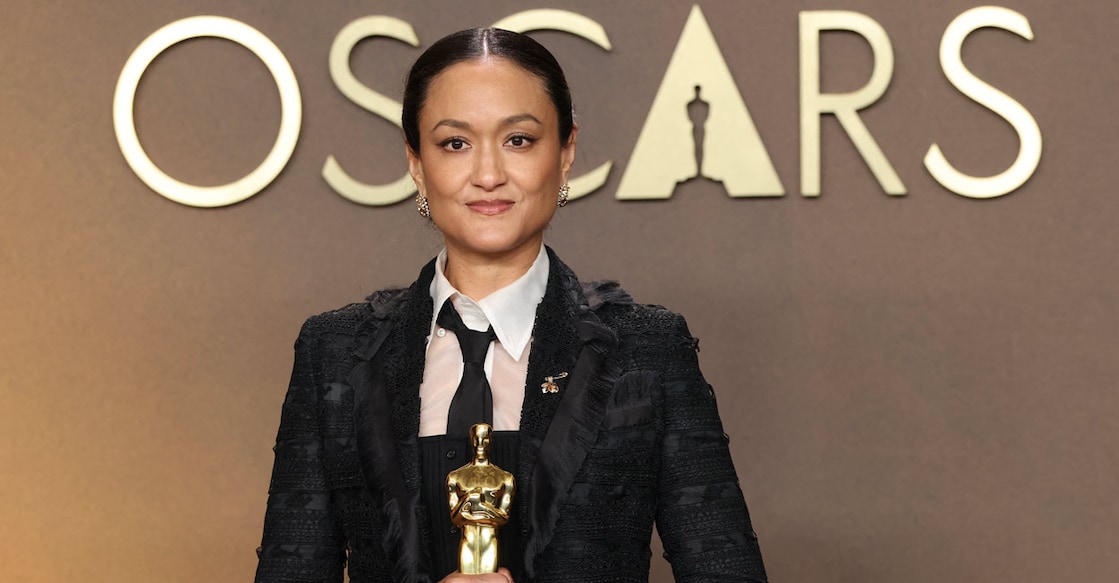
On Monday morning (IST), cinematographer Autumn Durald Arkapaw, made history as the first ever woman to win an award in the category for her work in ‘Sinners’. While she stood on stage, asking all the women in the room to stand up and celebrate her win as it was a result of their efforts too, she was sending out a message- That women are trailblazers and they were all instrumental in their collective rise to the top.
The victory didn’t come overnight. It takes years of struggle, especially for women, to achieve success in their field, says Fouzia Fathima, a Malayali cinematographer who made her debut with the 2002 Revathy directorial ‘Mitr-My Friend.’
Fouzia believes that recognition for women in cinematography is inevitable. “How long can you ignore a woman in the room? Eventually, her work will be recognised,” said the Director of Photography (DoP) who worked behind the camera in over 10 films, including the Jayasurya-starrer ‘Gulumaal: The Escape’. “While this is the first win, there have been nominations in the past, which shows the immense talent women bring to the role of DoP.” However, she added that opportunities for female cinematographers in India, and particularly in Kerala, remain limited due to the lack of a conscious effort to include women in projects. “Most of these women who are part of regional cinema move out to cities like Mumbai, because there are fewer opportunities back home.

“When Shaji N Karun was the chairman of the KSFDC, he made concerted efforts to ensure that not only women directors but also female technicians had a chance. That level of awareness and effort is crucial,” she said. Fouzia recalled that when she made her debut with Mitr-My Friend in 2002, she was the only woman in the field. “Ofcourse, B R Vijayalakshmi who worked in Tamil cinema was a trailblazer. But when I joined films, there was hardly anyone. Over the years, though the number of women cinematographers increased, many felt isolated, with little sense of a collective or support system. That is when we formed the Indian Woman Cinematography Collective. Today, the group has grown to include over 200 women cinematographers working across various film industries,” she said.
Uma Kumarapuram, a Thrissur-based cinematographer who has assisted several DoPs in Malayalam, echoed Fousia’s sentiments. “The recognition for women like Autumn, who won an Oscar, is long overdue,” she said. “It’s an incredible achievement, but the recognition is quite late.”
Uma acknowledged that women often face biases that make it difficult to break through in the industry. “Many directors have trust issues. They question whether a woman will be able to carry out the work. While some doubts about experience may be valid, it’s ironic because women can’t gain experience if they aren’t given the opportunity in the first place,” she said. “Additionally, women tend to be steered toward family-oriented stories, which limits their ability to explore other genres.”
While the recent recognition is certainly worth celebrating, cinematographers in Kerala believe it also calls for deeper reflection on the challenges women face in the industry still dominated by men.
