

Kerala Film Chamber tightens film certification rules to boost women’s safety on sets
Mail This Article


Last month, one of Mollywood’s most well-known directors, Ranjith, was arrested following allegations of abuse made by a female artist. The artist accused him of assaulting her in his caravan during the shooting of a film. This incident follows a similar case from just four months ago, when Asha Achy Joseph, a prominent member of the Women in Cinema Collective (WCC), accused vetearn director and producer P T Kunju Muhammed of sexual abuse at a hotel where the jury of the International Film Festival of Kerala was staying.
While these incidents might seem isolated, they are part of a troubling pattern that was highlighted in the Hema Committee report, published two years ago. The report revealed significant concerns about the safety and security of women working on film sets. This issue had already prompted the Kerala High Court to direct film industry bodies to establish Internal Complaints Committees (ICCs) on film sets. However, the need for such committees became even more urgent and clear following the release of the Hema Committee’s findings, underlining the critical importance of safeguarding women in the film industry.
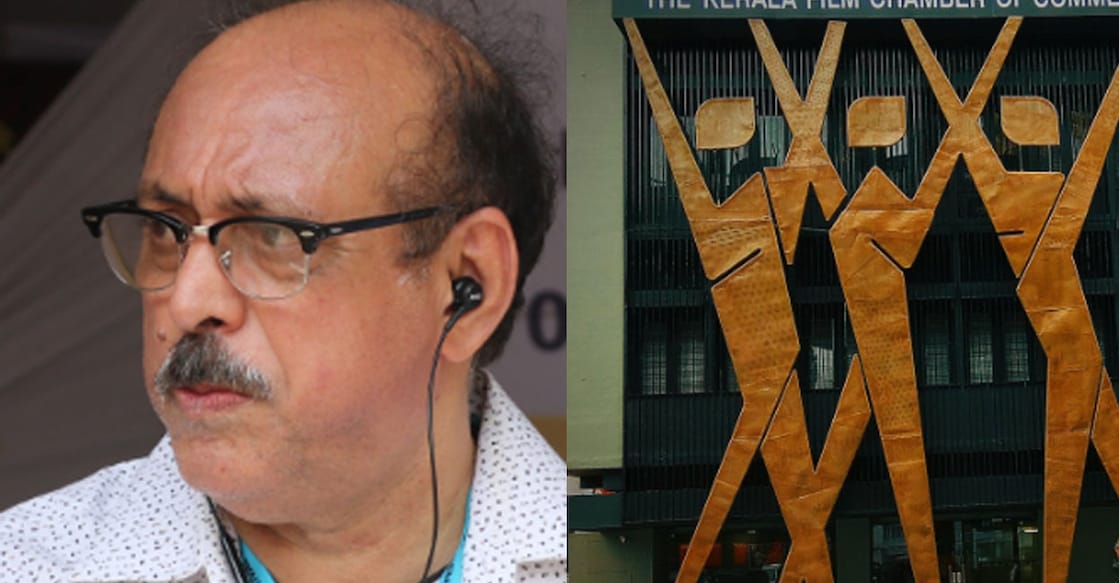
In view of this, the Kerala Film Chamber of Commerce has introduced stricter rules for film certification, requiring that only films with documented minutes from Internal Complaints Committee (ICC) meetings on set will be eligible for censorship. If these minutes are not submitted, the Chamber will halt the pre-censorship process, making the film ineligible for release.
To support this initiative, the Kerala Film Chamber hosted a joint workshop on Thursday, bringing together representatives from nine major film organisations, including the Women in Cinema Collective (WCC), the Association of Malayalam Movie Artists (AMMA), the Producers Association, and the Malayalam Cinema Technicians Association (MACTA), among others.
“The aim of this workshop is to make sure that everyone is aware of the Prevention of Sexual Harassment (POSH) Act and the role of ICCs on film sets,” said producer G Suresh Kumar who attended the press meet. “This is the first workshop of its kind, led by two experienced advocates, Maya and Athira, who explained the responsibilities of ICCs, how to file complaints, and the steps needed to ensure women’s safety on set.”
After the workshop, representatives were asked to organise similar sessions within their own organisations to spread this knowledge further. Suresh Kumar, a key figure in the initiative, stressed that ICCs must meet both before and after the filming process. “On the first day of the shoot, the names of the ICC members must be clearly displayed on set. The committee should ensure safety measures are in place, and at the end of the shoot, they must meet again to record any complaints or issues that may have arisen,” he said.
Suresh also pointed out that many people are still unaware of the POSH Act and the importance of ICCs, which is why these workshops are essential. “We are also conducting surprise inspections on film sets to ensure that everyone is following the rules. Most sets now have ICCs, though a few small-scale productions may not yet be compliant,” he added.
To address concerns about trust in the ICCs, particularly when members of the production unit are involved, Suresh Kumar clarified that producers, directors, and executive producers are not allowed to be part of the ICC. This rule has been in place for a while and is now being enforced more strictly.
Through these measures, the Kerala Film Chamber of Commerce and other film bodies are working to ensure a safer and more accountable environment for women in the Malayalam film industry.
