
A chicken dish for Karkidakam? North Kerala’s monsoon folk remedy might surprise you

Mail This Article


As the skies open up, Kerala settles into the rhythm of monsoon. The month of Karkidakam (the Malayalam month which spans between mid-July and mid-August) arrives with a deep cultural and culinary shift. Across the state, this is the time to slow down, nourish the body, and turn to age-old remedies for strength and immunity.
While the rest of Kerala swears by kanji, pathila curries and herbal teas, in the northern districts, particularly in Malabar and the interiors of Kozhikode district, another dish takes centre stage during this season of healing — a medicinal chicken curry that might raise a few eyebrows among Ayurveda purists.
Yes, chicken. In a season otherwise dominated by vegetarian healing foods, Malabar’s 'kozhimarunnu' (medicinal chicken) stands out.
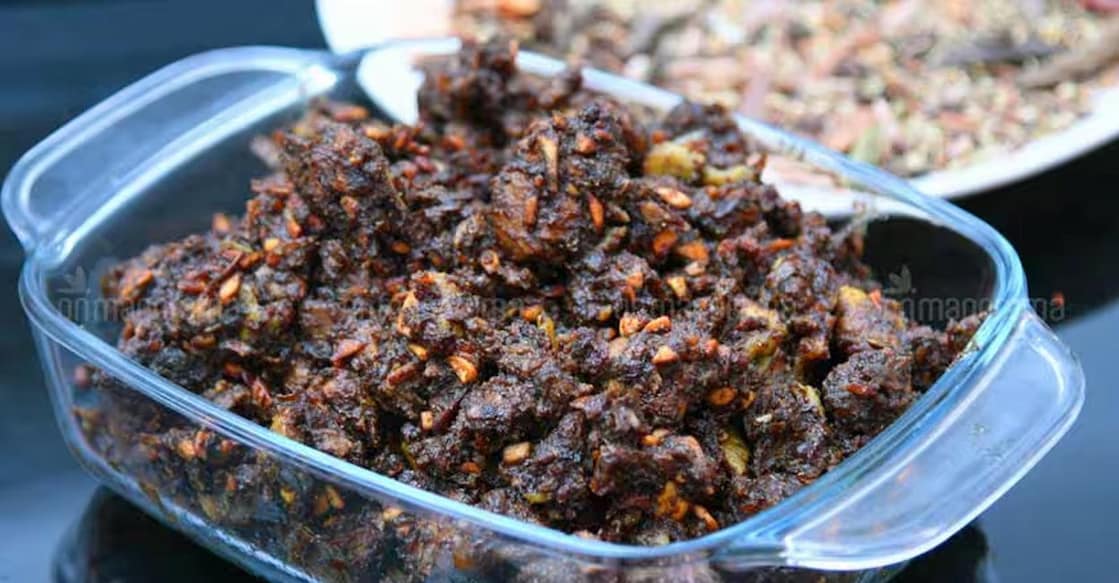
This is no ordinary chicken curry. It is part cusine, part remedy, and entirely rooted in tradition. Prepared with herbs, spices, and country chicken, kozhimarunnu is a slow-cooked, deeply spiced dish designed to rejuvenate the body, especially after illness or prolonged periods of hard work.
It might sound surprising, even contradictory. Chicken, after all, is not something one would expect in a season shaped by Ayurvedic principles. And rightly so. Kozhimarunnu doesn’t come from classical Ayurvedic texts. It is a folk remedy, passed down through generations, but built on a similar understanding of seasonal care and body balance. Its origins go beyond the kitchen, tied to family rituals, maternal care, and seasonal wisdom.

Specially made for women
In the old days, the monsoon brought more than rain. It brought fatigue, body aches, fevers and infections. But it also brought homecoming. Women, particularly daughters and daughters-in-law, would leave their husband’s homes and return to their maternal homes for rest and recovery during Karkidakam. Mothers would prepare kozhimarunnu as a gesture of love, care and healing. The ingredients were often sourced from their own backyard — home-bred hens, wild herbs, and fresh shallots. This wasn’t just food, it was treatment.
Today, while many of these traditions have faded, the dish lives on in some homes and has even found its way into herbal shops across North Kerala in the form of ready-made mixes.
Let’s look at how this dish is prepared the traditional way.
Kozhimarunnu (medicinal chicken) recipe
Ingredients
1 country chicken (home-bred hen), chopped into small pieces
1 kg shallots, peeled and sliced
200 ml sesame oil
2 tbsp ghee
2 tbsp rock salt (or to taste)
1 packet kozhimarunnu herbal mix (available in local stores)
For herbal decoction:
A handful of kurunthotti (Sida cordifolia / bala)
A handful of karinkurinji (Strobilanthes ciliatus)
1.5 litres of water
Preparation
Combine kurunthotti and karinkurinji in 1.5 litres of water
Boil until the water reduces to half. Strain and keep the decoction aside
Place the chopped country chicken in a large vessel and pour the decoction over it
Let it cook on a low flame until the meat starts to soften
Once the chicken is halfway cooked, add the sliced shallots, rock salt, sesame oil, ghee, and the kozhimarunnu herbal mix
Continue cooking the mixture over a low flame
Stir occasionally
The dish is ready when the water has evaporated and the oil rises to the surface
The chicken will be tender, coated in a thick, dark, glossy masala
Let it cool completely before storing in a clean container. The dish can be stored for a few days without refrigeration if handled properly.
How to consume:
Traditionally, kozhimarunnu is eaten for three consecutive days during Karkidakam. It is taken with a light rice gruel or kanji. Water is avoided during the immediate hours after eating, and rest is strongly recommended. Avoid refrigerated or sour foods while consuming this dish to support its warming and detoxifying effects.
The benefits
Old-timers in Malabar swear by the medicinal properties of kozhimarunnu. It is believed to:
Improve digestion
Boost immunity
Restore body heat during the damp season
Strengthen bones and muscles
Help the body recover after stress, strain or illness
The dish also supports postpartum care and is sometimes compared to Ayurvedic tonics, such as lehyam, though it is much tastier.
Variations: Jeerakakozhi soup
There’s another lesser-known preparation from the same tradition — jeerakakozhi soup. This one is lighter and more like a stew, made with cumin, pepper, coconut milk and bone marrow. It was considered especially beneficial for women and new mothers to help rebuild strength and balance.
 Add as a preferred source on Google