

Why your chapatis turn hard; and how to keep them soft all day
Mail This Article


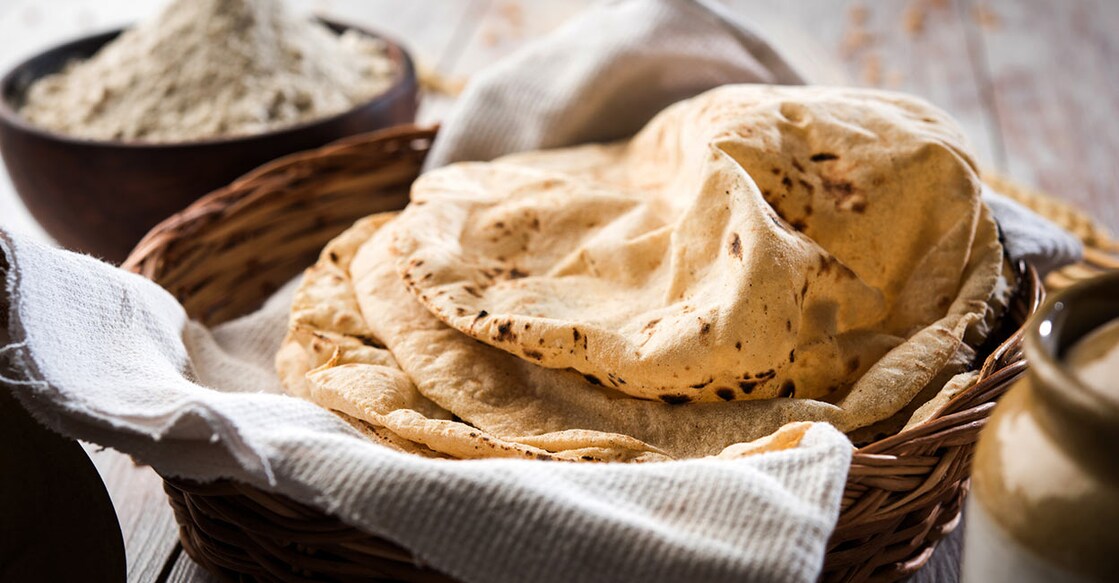
You knead the dough in the morning, roll it out, cook it perfectly—and by lunchtime, your chapatis sit there, stiff like cardboard! Sounds familiar? What if the chapatis you make in the morning could stay soft and fresh for 24 hours? With a few simple tricks, they can.
1. It starts with the dough
Softness begins right when you knead the dough.
Add milk: Replace part of the water with milk. The proteins in milk help lock in moisture, keeping chapatis softer.
Use oil or ghee: Add a spoonful of oil or ghee before kneading. This prevents the gluten from drying out and makes the chapatis tender.
Knead well: After adding these, knead the dough until smooth—at least 10–15 minutes.
Let it rest: Don’t roll out immediately. Cover the dough with a damp cloth and let it rest for 20–30 minutes. This relaxes the gluten and allows the liquid to be absorbed, making chapatis even softer.

2. Pay attention while cooking
The way you cook chapatis also decides how soft they remain.
Use a hot tawa: The pan must be properly heated. A hot surface creates steam inside, keeping layers soft.
Cook just right: Take them off too quickly, and they dry out. Leave them on too long, and they harden. The trick? Flip when they puff up and wait until you see golden spots on both sides.
3. Store them the right way
Even the softest chapati can go dry if not stored properly.
Wrap in a clean cloth: Once cooked, let them cool slightly. Then wrap in a cotton cloth or paper towel to absorb extra steam.
Use an airtight container: Place the wrapped chapatis inside. This traps the right amount of moisture and keeps them soft for hours.
For travel or lunchboxes: Wrap in foil. It’s the best way to keep chapatis fresh and soft until you eat.
 Add as a preferred source on Google