

How long you can keep chicken, fish and meat in the fridge
Mail This Article


Home cooks often pay a lot of attention to recipes, seasoning and technique, yet one of the most important steps in good cooking happens long before the pan heats up. Safe storage decides not only the flavour of your dish but also your health. Different meats stay fresh for different lengths of time, and understanding these timelines helps you plan meals, shop smarter and avoid unnecessary waste. This guide breaks down how long common meats stay safe in the fridge, along with the signs that tell you when something should be thrown out.
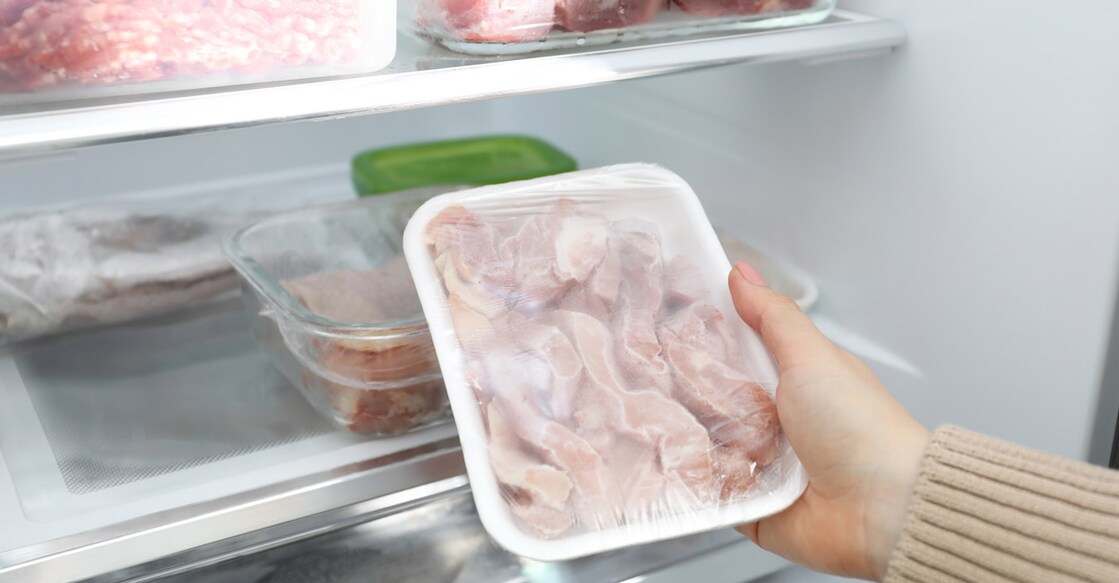
Raw chicken
Chicken is highly perishable and needs careful handling from the moment it reaches your kitchen.
- Fridge life: 1 to 2 days
- Freezer life: Up to 9 months for pieces and up to 12 months for whole chicken
The shorter shelf life is due to its high moisture content and the way poultry tissues break down at fridge temperatures. Always keep chicken in a tightly sealed container on the bottom shelf so its juices do not drip onto vegetables or cooked dishes. If you know you will not use it within a day or two, freezing is the safest option. Frozen chicken retains its quality well and gives you more flexibility in your weekly planning.
Spoilage signs: A sour or unusual smell, a slimy feel or a greyish tinge on the surface.

Raw fish
Fish is even more sensitive to temperature changes than chicken.
- Fridge life: 1 to 2 days
- Freezer life: 2 to 3 months for fatty fish and 6 to 8 months for lean fish
Even in a cold fridge, fish begins to lose texture and freshness very quickly. Ideally, buy fish as close to cooking time as possible. If wrapped properly and kept in the coldest part of your fridge, it stays usable for a day or two. Many chefs place fish in a bowl of ice inside the fridge to maintain maximum chill.
Spoilage signs: A strong fishy smell, mushiness or any liquid that looks milky.
Raw beef
Beef lasts longer in the fridge and is relatively stable compared to poultry and seafood.
- Fridge life: 3 to 5 days
- Freezer life: 6 to 12 months for steaks and roasts, 3 to 4 months for minced beef
Whole cuts such as steaks and roasts stay fresh for several days when wrapped well. Ground beef needs quicker attention because mincing increases its surface area and exposes more of it to bacteria. Using vacuum-sealed or tightly packed meat also improves shelf life.
Spoilage signs: A sharp, sour smell, a sticky or tacky surface or a dull brownish-grey colour.
Raw mutton
Mutton keeps reasonably well in the fridge due to its firm texture and lower water content.
- Fridge life: 3 to 5 days
- Freezer life: 6 to 9 months
Because mutton fat absorbs odours easily, it is important to wrap it tightly or store it in an airtight container. If your kitchen schedule is unpredictable, freezing is a good way to preserve quality without rushing through recipes.
Spoilage signs: Any rancid smell, sticky texture or discolouration.
Raw pork
Pork behaves similarly to beef when refrigerated.
- Fridge life: 3 to 5 days
- Freezer life: 4 to 8 months
Chops, ribs and roasts stay in good condition for several days. Minced pork should be used more quickly because of the increased exposure to air. Proper wrapping makes a noticeable difference in both texture and flavour, especially with fattier cuts.
Spoilage signs: A sour or sweetish odour, sticky areas or patches of grey.
Cooked meat
Once meat is cooked, the clock starts ticking faster.
- Fridge life: 3 to 4 days
- Freezer life: 2 to 3 months
This includes curries, gravies, dry preparations, grilled or roasted pieces and even soups containing meat. Cooked dishes should be cooled and refrigerated within two hours of preparation. Using shallow containers helps them cool evenly and prevents bacteria from multiplying.
Spoilage signs: A sour smell, separation in gravies, bubbles in liquids even when cold or a slimy coating.
Cooked fish
Cooked fish should be eaten without much delay.
- Fridge life: 3 to 4 days
- Freezer life: 2 months
Even when cooked, fish deteriorates faster than meat from land animals. Store it in a sealed container to prevent strong odours from spreading inside the fridge. Leftover fish curries and fries often taste best within the first two days.
Spoilage signs: A strong or unpleasant smell, mushy texture or unusual liquid around the fish.
Storage tips for every kitchen
A few simple habits make fridge and freezer storage safer and more effective.
- Keep your fridge at 4 degrees Celsius or lower
- Keep your freezer at minus 18 degrees Celsius or lower
- Store raw meats on the bottom shelf
- Use airtight boxes or wrap meat tightly
- Label packages with dates to avoid guesswork
- Avoid overcrowding the fridge or freezer so air circulates properly
- Refrigerate leftovers within two hours of cooking
- Trust your senses if something seems off.
 Add as a preferred source on Google