

Kerala’s new state microbe has been in our food all along
Mail This Article


Kerala’s newest official symbol doesn’t sing, bloom or bear fruit. It humbly works behind the scenes—sometimes in boiling conditions—helping shape the way food is made, preserved and digested. With the state declaring Bacillus subtilis its official microbe, the spotlight turns to a tiny organism that has long played a big role on our plates.
Unlike many bacteria that perish under heat, Bacillus subtilis is famous for its ability to form hardy spores that survive extreme conditions. This resilience is precisely what makes it valuable in food processing, fermentation and probiotic nutrition across cultures.
A natural fermentation ally
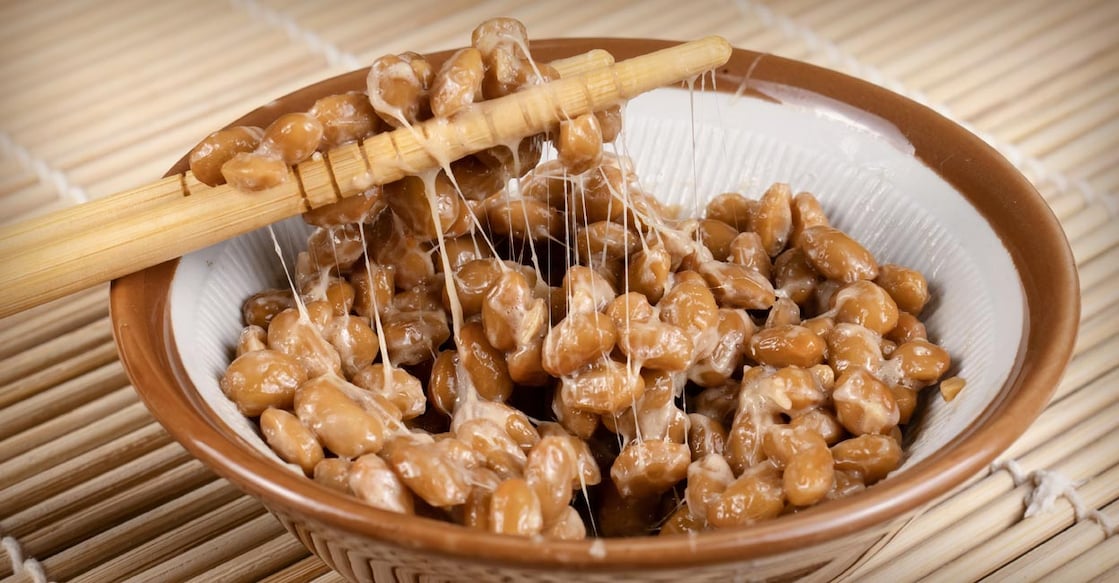
In several Asian food traditions, Bacillus subtilis is a quiet fermenter. The most famous example is natto, the sticky, protein-rich fermented soybean dish from Japan, where the bacterium breaks down complex proteins into easily digestible amino acids. Similar strains are also used in fermented legumes and cereal-based foods, improving texture, flavour and nutritional availability.
During fermentation, Bacillus subtilis produces enzymes such as proteases and amylases. These enzymes pre-digest food components, enhancing taste while making nutrients easier for the body to absorb—one reason fermented foods are often gentler on the gut.

Enzymes that power food processing
Modern food industries rely heavily on enzymes, and Bacillus subtilis is one of the most trusted microbial sources. Enzymes derived from it are widely used in baking, brewing, starch processing and flavour development. In bread-making, for instance, these enzymes improve dough quality and crumb structure. In brewing and food fermentation, they help control consistency and efficiency.
Because the bacterium is classified as GRAS (Generally Recognized As Safe) by the US FDA and approved by European food safety authorities, its enzymes are considered safe for large-scale food use.
Probiotic on the plate
Bacillus subtilis also stands out in the probiotic world. Unlike many probiotics that struggle to survive stomach acid, its spore-forming ability allows it to pass through the digestive system intact. Once in the gut, it becomes active, supporting digestion, balancing gut microbiota and aiding immune response.
This makes it a popular ingredient in functional foods and dietary supplements aimed at digestive health—an area where food and medicine increasingly overlap.
The same spore-forming ability that makes Bacillus subtilis useful in food processing is also responsible for ‘bread ropiness’—a spoilage defect in which bread turns sticky and stringy when the bacterium survives baking and multiplies under warm, humid conditions.
From preservation to sustainability
The antimicrobial compounds produced by Bacillus subtilis help inhibit harmful bacteria, extending shelf life naturally. This opens up possibilities for cleaner labels and reduced reliance on synthetic preservatives. Its role in reducing food spoilage also aligns with sustainability goals—cutting waste while keeping food safe.
A microbe that fits Kerala's food future
With Bacillus subtilis as its state microbe, Kerala underscores the enduring relevance of traditional food knowledge in the age of modern science. From fermented foods and enzyme-driven processing to probiotics and natural preservation, this heat-resistant bacterium has quietly shaped food systems for centuries.
Now, with official recognition, it may inspire more research, innovation and homegrown food technologies—proof that sometimes, the most powerful ingredients are the ones we can’t see.
References:
- Sureshkutty (Associate Professor – Botany Department, Government Victoria College, Palakkad)
- US Food and Drug Administration (FDA): Information on GRAS (Generally Recognized As Safe) status of Bacillus subtilis strains and enzymes used in food processing
- European Food Safety Authority (EFSA): Qualified Presumption of Safety (QPS) listing and safety evaluation of Bacillus subtilis for food and feed use
- Microbial Cell Factories (BioMed Central): Scientific reviews on enzyme production by Bacillus subtilis and its role in food and industrial biotechnology
- PubMed – National Library of Medicine: Peer-reviewed studies on Bacillus subtilis in food fermentation, probiotics, enzyme activity and gut health
