

Mail This Article


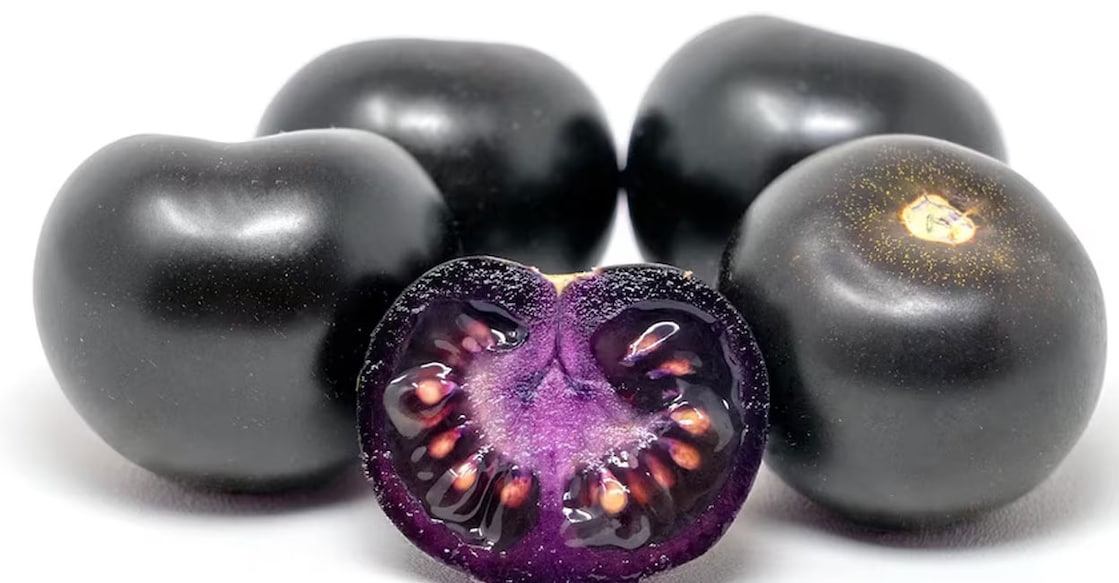
Red, occasionally orange, sometimes yellow—that’s the tomato colour chart most of us grew up with. Purple was never on the list. But that is about to change, at least in Australia, where a deep purple tomato has been officially approved for cultivation and consumption.
Called Purple Bliss, this new variety looks nothing like the tomatoes that usually end up in omelettes, salads or ketchup bottles. The colour comes from anthocyanin, the same pigment that gives blueberries and purple cabbage their hue. To achieve this, genes from the snapdragon plant were introduced into the tomato.
Its makers, Norfolk Healthy Produce, say the purple tomato isn’t just about appearances. According to them, it is sweeter and more flavourful than conventional tomatoes. With regulatory clearance now in place, Purple Bliss is expected to reach Australian farms and food markets soon.

The arrival of a purple tomato feels especially ironic when one remembers the fruit’s long history of being misunderstood. Tomatoes, though now inseparable from everyday cooking, were once viewed with fear in Europe. They were believed to be poisonous, and even accused of “acidifying the blood.” For years, tomatoes were grown as ornamental plants rather than eaten.
Fast forward to today, and the same fruit—once avoided, now essential—is being reimagined in a colour that would have seemed unthinkable not long ago.
Despite its vegetable status in the kitchen, the tomato is technically a fruit, originally from South America. Over centuries, it travelled across continents, adapted to different cuisines, and became one of the world’s most widely used ingredients. The purple tomato is simply the latest chapter in that ongoing evolution.
Whether Purple Bliss will remain a novelty or make its way into everyday cooking is still uncertain. But one thing is clear: the tomato has once again managed to surprise the world—this time, by turning purple.
