

Your supermarket strawberries may carry pesticide residues: What washing can & can’t fix
Mail This Article


Heart-shaped desserts, pink smoothies, chocolate-dipped strawberries — Valentine’s Day is just around the corner, and strawberries are everywhere. Once a niche, hill-station indulgence, the fruit has quietly become part of the everyday fruit basket in India, especially in the South.
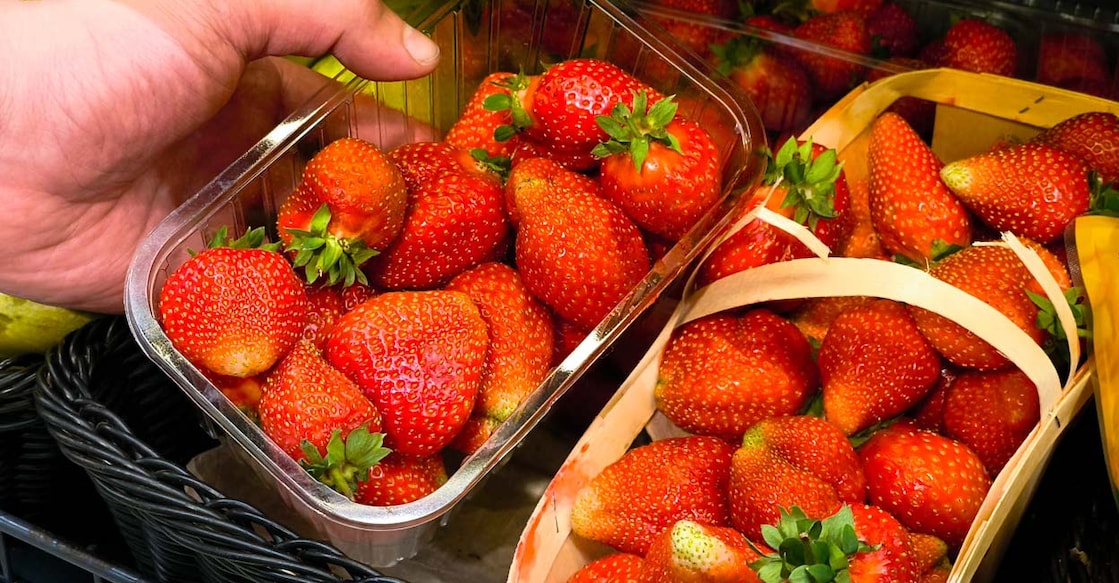
Post-pandemic, strawberry cultivation has seen a noticeable surge across states such as Tamil Nadu, Karnataka, Maharashtra and even parts of Kerala. Improved varieties, polyhouse farming and better cold-chain logistics have helped strawberries shed their “imported luxury” image. Today, they are priced anywhere between ₹80 and ₹160 for a 200-gram box and are stacked high in neighbourhood supermarkets and online grocery apps alike.
But as strawberries become more accessible, an uncomfortable question keeps resurfacing: how clean is that bright red fruit we are biting into?
A fruit that needs protection; a lot of it
Strawberries are delicate by design. They grow close to the ground, have thin skin, and are highly vulnerable to fungal infections, insects and rot. Unlike fruits with a thick peel, strawberries cannot be protected naturally once pests strike. For farmers, especially those supplying large markets where appearance matters, this often translates to frequent pesticide use through the growing cycle.
Globally, strawberries have repeatedly topped lists of fruits found with the highest pesticide residues when grown conventionally. Multiple studies have shown that a single strawberry sample can carry residues of several different pesticides — sometimes more than ten — even after washing. The concern is not about one chemical alone, but the cumulative presence of many.
In India, while strawberries are still a relatively small crop compared to staples, cultivation has expanded rapidly in recent years. With demand peaking during winter and festive seasons, especially around Valentine’s Day, pressure to deliver visually perfect fruit is high.

What kind of pesticides are used on fruits like strawberries?
Strawberries are vulnerable to insects, fungi and mites, which means they are often treated with multiple types of pesticides during cultivation:
- Insecticides such as imidacloprid, thiamethoxam, malathion and cypermethrin are used to control insects that damage the fruit
- Fungicides including carbendazim, mancozeb, captan and chlorothalonil help prevent mould and rot, a major issue in strawberries
- Acaricides like abamectin are used to control mites, a common pest in berry farming
- Herbicides, often applied around plants to control weeds, can still contribute to overall chemical exposure
Because strawberries are sprayed at different stages of growth and eaten raw with their skin, residue tests often find more than one pesticide on a single fruit, even after washing.
Does residue mean danger?
It is important to separate fear from fact. Detecting pesticide residue does not automatically mean the fruit is unsafe. Regulatory bodies in India prescribe Maximum Residue Limits (MRLs) for different chemicals, and produce sold in formal markets is expected to comply with these standards.
However, enforcement and monitoring vary widely. Smaller farms supplying local markets may not always follow ideal spray intervals or withdrawal periods. The gap between the last pesticide application and harvest. This is where concerns arise, particularly when strawberries are consumed fresh and raw, without peeling or cooking.
Children, pregnant women and those with compromised immunity are often considered more sensitive to cumulative pesticide exposure, which is why strawberries frequently feature in conversations about “dirty produce”.
Why washing isn’t a magic fix
Rinsing strawberries under running water does help, but only to an extent. Surface residues can reduce, but chemicals that have penetrated the fruit cannot be washed away completely. Soaking in salt water or vinegar solutions may remove dirt and some microbes, but they are not foolproof solutions for pesticide residues.
This does not mean strawberries should be avoided altogether. Nutrition-wise, they are rich in vitamin C, antioxidants and fibre. The goal is awareness, not alarm.
How to enjoy strawberries more mindfully
If strawberries are on your shopping list this season, a few simple choices can help reduce risk:
Buy from trusted sellers who can share sourcing details
Prefer local, seasonal produce over long-stored imports
Wash thoroughly under running water and remove damaged portions
Avoid stocking strawberries for too long; fresher fruit is often safer
If possible, choose organic strawberries, especially for children
As strawberries continue their journey from hill farms to supermarket shelves, and from romantic gifts to breakfast bowls, the conversation around how they are grown matters just as much as how they are plated.
This Valentine’s season, it might be worth pausing for a moment before popping that glossy red fruit into your mouth; not to spoil the mood, but to make a more informed choice.
 Add as a preferred source on Google