

₹1 idlis, ₹3 curd rice, ₹5 sambar rice: Vijay government revives Tamil Nadu’s iconic Amma Canteens
Mail This Article


For years, Amma Canteens were more than just subsidised eateries tucked into busy Tamil Nadu streets. They were where construction workers stopped for steaming breakfast before sunrise, where elderly residents could count on a hot lunch for a few rupees, and where migrant workers found comfort in a plate of rice that felt both affordable and familiar.
Now, those iconic canteens are being revived once again.
Tamil Nadu Chief Minister Vijay has directed officials across the state to refurbish Amma Canteens, improve kitchen infrastructure and ensure better-quality food is served to the public. The move comes after complaints about declining maintenance, poor food quality and ageing equipment in several outlets.
The canteen that changed affordable eating
Launched in 2013 by former Chief Minister J. Jayalalithaa, Amma Canteens — or Amma Unavagam — quickly became one of Tamil Nadu’s most recognisable food welfare schemes. Named after Jayalalithaa, fondly called “Amma” by supporters, the canteens were created to tackle hunger and malnutrition while offering hygienic meals at prices almost unheard of in urban India.
And the menu became legendary in its simplicity.
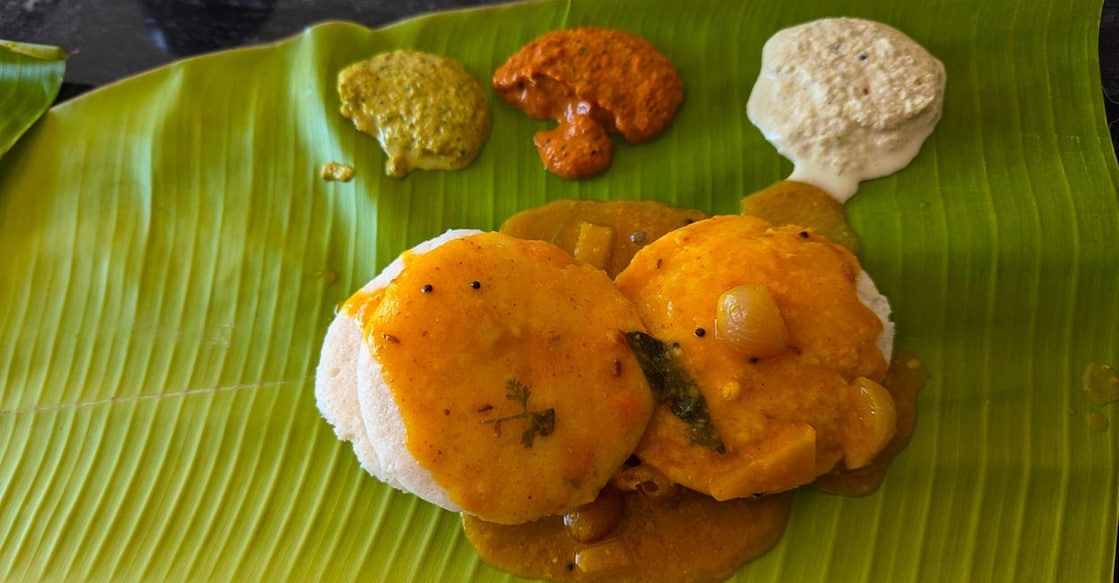
Soft idlis at ₹1 each. Cooling curd rice for ₹3. Hot sambar rice at ₹5. Filling, no-frills meals that kept lakhs of people fed every day.

The meals people kept returning for
At their peak, the canteens became an essential part of daily food culture in Tamil Nadu’s cities. Office-goers grabbed breakfast on rushed mornings, autorickshaw drivers depended on inexpensive lunches, and people travelling through bus stands often knew they could find a decent meal without spending much.
The canteens also became important during the COVID-19 pandemic, when thousands of stranded migrant workers and low-income families relied on them for regular meals.
Over time, however, many outlets began losing their shine. Reports of broken infrastructure, poorly maintained kitchens, faulty water filters and declining food standards started surfacing. While the canteens continued functioning under the previous DMK government, the AIADMK repeatedly alleged that funding and upkeep had weakened.
Following a review meeting with senior officials, Vijay has now ordered immediate upgrades to amenities and infrastructure across Amma Canteens in the state. Authorities have also been asked to procure additional cooking vessels and equipment while ensuring that the food served remains hygienic, tasty and consistent in quality.
Tamil Nadu currently has 620 Amma Canteens, including 383 under the Greater Chennai Corporation and 237 operated by other local bodies.
The canteen that still feeds the city
What makes Amma Canteens stand out is that they were never about restaurant-style food. The appeal was always the opposite. Simple Tamil meals cooked in large vessels, served quickly, eaten standing or seated shoulder-to-shoulder with strangers.
In cities where even a basic breakfast now costs several times more, the idea of a ₹1 idli still feels unreal. Yet for lakhs of people in Tamil Nadu, it remains part of daily life — and part of the state’s food culture.
 Add as a preferred source on Google