

Where did Kerala’s freshwater prawns disappear?
Mail This Article


Long before seafood platters and restaurant specials turned prawns into an all-season staple, attukonju belonged to a particular time of year.
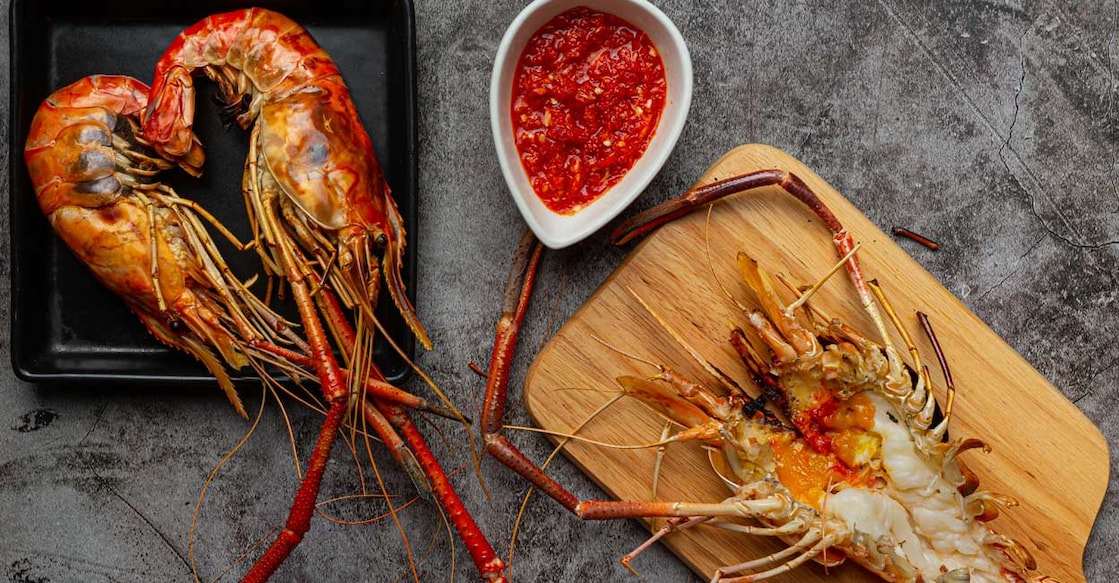
When the monsoon swelled Kerala’s backwaters, freshwater prawns would begin to appear in the markets of Alappuzha and Kottayam. Fishmongers sold them out fast. Toddy shops turned them into fiery konju roast, homes simmered them in coconut-rich konju curry, and some kitchens kept it simple with attukonju ularthiyathu, tossed with shallots, black pepper and curry leaves. In Kuttanad, they even found their way into konju mango curry and rich backwater biriyanis.
That taste is becoming harder to find.
Missing from Vembanad for the second year
For the second year in a row, Vembanad lake’s annual fish count has reported the complete absence of attukonju, Kerala’s prized freshwater prawn. For food lovers, this is not just another fisheries update. It marks the quiet disappearance of one of Kerala’s most distinctive ingredients, the sweet, delicate prawn that gave some of the state’s best-loved backwater dishes their unmistakable character.

Unlike marine prawns, freshwater prawns have a gentler sweetness and softer flesh that soak up masalas beautifully without turning rubbery. They are what made a proper konju roast from Kuttanad stand apart, what gave depth to a claypot curry simmered with coconut milk, and what elevated a simple stir-fry into something memorable.
Now, the ingredient itself is slipping away.
What is pushing them out?
The reasons go back years.
Experts point to pollution in Vembanad, changing salinity patterns after the Thanneermukkom bund altered the natural flow of saltwater, and the impact of repeated floods since 2018. These shifts have steadily chipped away at the fragile conditions freshwater prawns need to survive and breed.
Then there is another, more visible threat taking over the lake: invasive fish species.
The latest fish census has flagged the rapid spread of sucker catfish, along with other invasive species like pacu and pearl gourami. These are not fish native to Kerala’s waters. Often released from aquariums or washed into waterways during heavy rains, they have adapted aggressively to the backwaters. Sucker catfish, in particular, disturb lakebeds constantly and feed on fish eggs and juvenile aquatic life, disrupting the ecosystem that native species depend on.
For the people who cook and sell seafood, the impact is already being felt.
What Kerala’s kitchens are losing
Freshwater prawns once had a clear place in Kerala’s food economy. Toddy shops prized them for spicy roasts. Small restaurants built seasonal specials around them. Local fish markets saw eager buyers whenever the catch came in. Their absence is changing what lands in kitchens and on plates.
Menus adapt, of course. Marine prawns step in. Farmed alternatives fill the gap. But anyone who has eaten a proper backwater prawn roast knows the difference immediately. The sweetness is subtler, the flesh firmer, the flavour tied closely to the waters it came from.
This is what makes the disappearance of attukonju more than an environmental concern. It is a culinary loss.
More than an environmental loss
Food heritage often fades quietly. A recipe survives on paper, but the ingredient that gave it life disappears. Kerala has seen this happen before, with seasonal fish becoming scarcer and local varieties slowly pushed aside by farmed, imported or easier-to-source substitutes.
If the freshwater prawn does not return to Vembanad, an entire flavour memory risks becoming exactly that — a memory.
For now, researchers say there is still some hope. Strong monsoons and improved ecological conditions could create a narrow window for their return. Until then, one of Kerala’s most cherished backwater delicacies remains missing from the waters that once defined it.
 Add as a preferred source on Google