

Moong, masoor, toor or urad? Which dal goes into what?
Mail This Article


From the yellow dal in a bowl of sambar to the urad dal that gives dosa its characteristic texture, dals are an essential part of Indian cooking. But with so many varieties available, it can be confusing to know which dal is best suited for a particular dish.
Dals differ in flavour, texture and cooking time. Some turn creamy when cooked, while others retain their shape. Some are mainly used in curries, while others are indispensable for batters, snacks and even desserts.
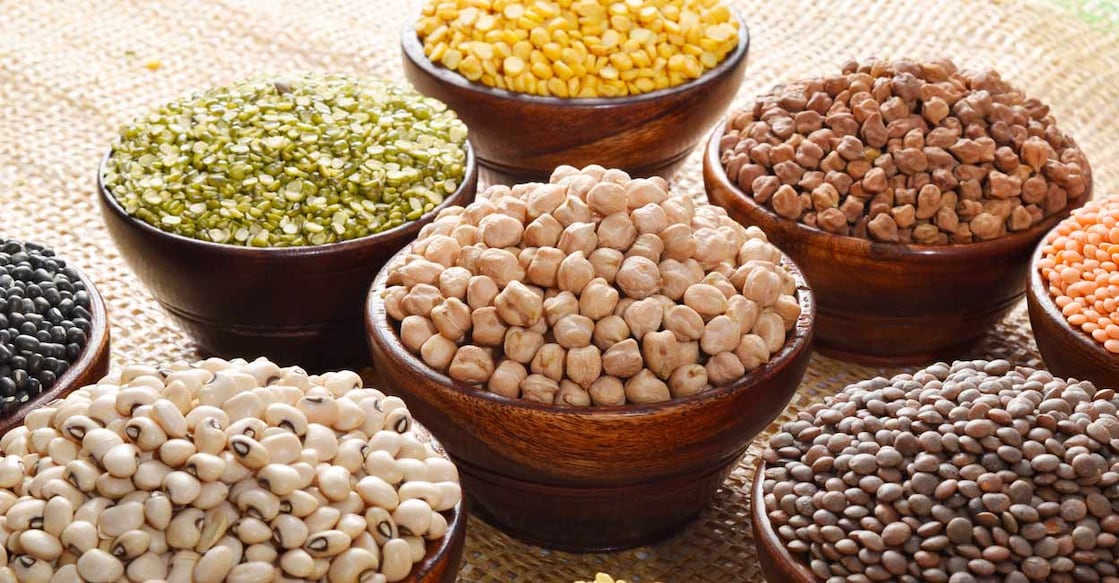
Here is a handy guide to some of the most commonly used Indian dals and the dishes they are best suited for.
1. Toor dal

Also known as: Tuvar dal, tur dal, arhar dal, pigeon pea
Kerala name: Tuvara parippu
Toor dal is one of the most widely used dals in Indian cooking. These yellow, split lentils have a mild, slightly nutty flavour and become creamy when cooked.
Commonly used for:
- Sambar
- Dal fry
- Dal tadka
- South Indian parippu
- Andhra-style pappu
- Gujarati dal
- Vegetable dal curries
Best for: Dishes where you want a creamy, substantial dal.
Cooking tip: Pressure cooking or soaking beforehand helps it cook faster.
2. Moong dal
Also known as: Mung dal
Kerala name: Cherupayar parippu
Moong dal comes in different forms. The most commonly used is yellow moong dal, made by splitting and removing the skin from green mung beans. It cooks quickly and has a mild flavour.
Yellow moong dal is commonly used for:
- Dal
- Khichdi
- Pongal
- Dal dosa
- Soups
- Light vegetable curries
- Payasam
The whole green mung bean, commonly called cherupayar in Kerala, is used differently.
Whole green moong is commonly used for:
- Cherupayar curry
- Sundal
- Sprouts
- Salads
- Usal
Best for: Light meals and quick-cooking dishes.
Cooking tip: Yellow moong dal generally cooks faster than most other dals and usually needs little or no soaking.
3. Masoor dal
Also known as: Red lentils
Kerala name: Masoor parippu
Masoor dal is easy to recognise by its orange-red colour. It cooks quickly and breaks down into a smooth, creamy consistency, making it a convenient choice for everyday meals.
Commonly used for:
- Masoor dal
- Dal fry
- Dal soup
- Khichdi
- Mixed dal
- Vegetable dal
Whole masoor, which retains its brown skin, has a firmer texture and a more earthy flavour than the split red variety.
Best for: Quick weekday meals and creamy dals.
Cooking tip: Red masoor is one of the quickest-cooking dals, making it useful when you need a meal in a hurry.
4. Chana dal
Also known as: Split Bengal gram
Kerala name: Kadala parippu
Chana dal consists of split, skinned chickpeas. It is slightly larger and firmer than many other dals and has a distinctly nutty flavour.
Unlike moong or masoor dal, chana dal tends to retain some texture after cooking.
Commonly used for:
- Chana dal curry
- Cholar dal
- Parippu vada
- Dal fry
- Sundal
- Puran poli
- Vegetable curries
Best for: Dishes where you want the dal to retain some bite.
Cooking tip: Soaking chana dal for a few hours reduces cooking time and helps it cook evenly.
5. Urad dal
Also known as: Black gram
Kerala name: Uzhunnu parippu
Urad dal is available both whole, with its black skin, and split and skinned, when it appears white.
It has a rich, nutty flavour and becomes sticky and creamy when ground. This makes it particularly important in South Indian fermented batters.
Commonly used for:
- Idli
- Dosa
- Uzhunnu vada
- Medu vada
- Dahi vada
- Paniyaram
- Papad
- Tempering
Best for: Fermented batters, snacks and South Indian tempering.
Cooking tip: When making dosa or idli batter, soaking and grinding the urad dal well helps produce a lighter, better-fermented batter.
Which dal should you use?
- For sambar: Toor dal
- For a quick dal: Moong dal or masoor dal
- For khichdi: Moong dal
- For pongal: Moong dal
- For idli and dosa: Urad dal
- For parippu vada: Chana dal
- For uzhunnu vada: Urad dal
- For Kerala cherupayar curry: Whole green moong
- For Kerala kadala curry: Kala chana
- For chole: Kabuli chana
- For a creamy dal: Toor, moong or masoor
- For a dal that retains some bite: Chana dal
Dal, parippu or pulse?
The terminology can also be confusing.
Dal can refer to the pulse itself, its split form or a cooked dish made from it. For example, toor dal is a type of pulse, while dal tadka is a cooked dish.
In Kerala, parippu is the more familiar word for many split pulses. Tuvara parippu refers to toor dal, cherupayar parippu to split green gram and kadala parippu to split Bengal gram.
Whole pulses have their own names too. Cherupayar refers to whole green gram, while kadala generally refers to chickpeas.
Once you know the basic varieties, choosing a dal becomes much easier. The key is to consider the texture you want.
