This super fruit is even better than energy drinks in summer: Best way to eat it
Mail This Article


The sweetness of the pulpy mango and the juicy goodness of the watermelon are often hailed as the perfect summer treats. However, not many know about the incredible nutritional benefits of the ice apple that is available in our backyards. Known as nungu in Tamil Nadu and thadgola in Maharashtra, the ice apple is truly a summer miracle. Interestingly, India is the world's largest producer of ice apples.
What is ice apple?
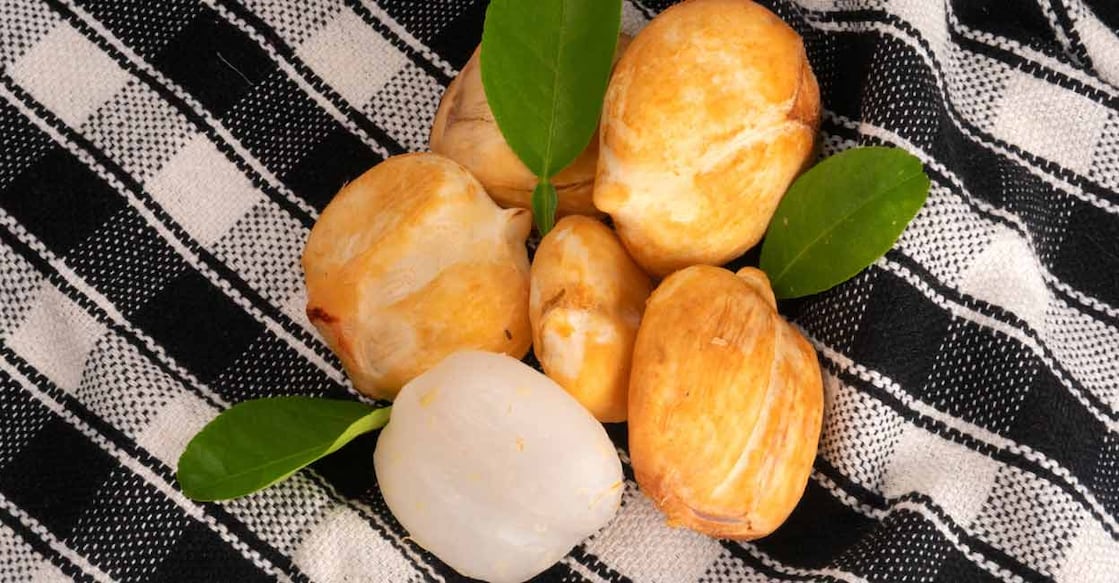
An ice apple is a tropical fruit that comes from the palmyra palm tree. The translucent, jelly–like flesh inside the greyish – black hard shell is sweet and refreshing. The fruit is called ice apple as the soft jelly looks like snow. Ice apples are seen in fruit stalls during the summer from April to July. Millions of rural families in Tamil Nadu, Andhra Pradesh, Odisha, West Bengal and Bihar rely on the cultivation and sale of ice apple for their livelihood.

Nutrient powerhouse
Around 95 per cent of the fruit is water. As it is a low–calorie fruit, those who are trying to lose weight can enjoy ice apple as a refreshing snack. Moreover, ice apple is a storehouse of potassium, calcium, vitamins A, B complex and C. Besides, ice apple also contains iron, zinc and phosphorus. The fruit is loaded with healthy fibres that aid digestion.
According to studies published by the National Library of Medicine, the components of ice apple extract can protect cells in human organs. They are also excellent for maintaining the health of teeth and gums.
Refreshing fruit
The body tends to get dehydrated during the sweltering summer. The high water content and minerals in ice apple help reduce body heat. The fruit is also used in Ayurvedic and Siddha medicines to treat various conditions. Ice apple helps balance pitta (the state of high body heat). Besides, it is an excellent natural remedy for acidity, heartburn and indigestion.
Ice apple contains 85–90 per cent water and salts, so it can quench thirst and provide a boost of energy better than energy drinks available in the market. Skin infections and pimples during summer could be eased by rubbing the outer skin of an ice apple. This cools the skin and prevents discomfort and itching. Here’s how you can include ice apple in your summer diet.
The best way to eat an ice apple is in its natural form. Eating refrigerated ice apple flesh is extremely refreshing during the summer. You could also make a delicious ice apple milkshake by blending it with cold milk and cardamom.
Supports village economy
Palm trees play a key role in boosting the village economy in India. Ice apple is a major source of income for palm tree climbers and small-scale vendors from April to July. However, the number of palm trees is declining, and the reluctance of the new generation to take up these traditional jobs is a major challenge for the ice apple industry.
Ice apple is often forgotten, as people tend to prefer mangoes and watermelons during summer. This fresh fruit, not laced with harmful chemical fertilisers, is a superfood that is easily available in nature.
 Add as a preferred source on Google