

Jishnu's confession on using soursop for cancer treatment: Doctors' take on alternative remedies
Mail This Article


Advertisements and posts related to developments in the healthcare sector are increasingly flooding social media pages. Many of these come from individuals with little or no medical background, yet they confidently speak about treatments, discoveries and cures. Dr Sankar Mahadevan, a Kozhikode-based ENT surgeon, shares his take on the trend of 'alternative medicine' suggestions on social media.
Medicines work differently
It may seem harmless at first, but such content can have wider consequences. When someone claims a treatment completely cured their illness, it can be misleading. No medicine, surgery or even exercise works the same way for everyone.

The human body responds differently from person to person and over time. So, just because a treatment works for one individual does not mean it will be safe or effective for another.
In the race for reach, bloggers and content creators are churning out a flood of health-related videos. But how credible are they, really? It’s worth pausing to ask what expertise, or even basic experience, these individuals have in the medical field.
Jishnu's treatment
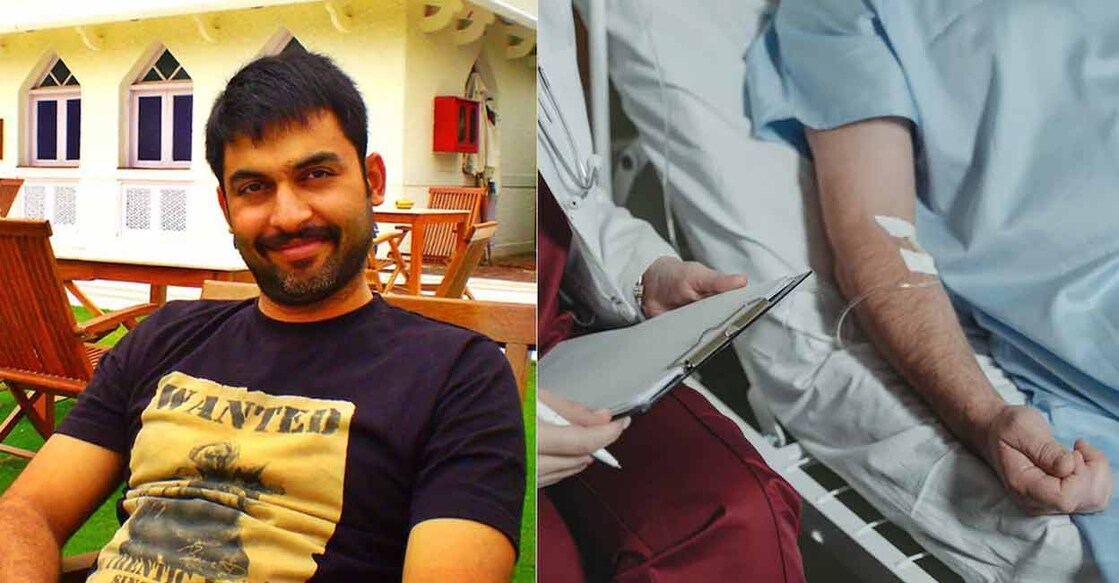
Years ago, before social media grew into the force it is today, actor Jishnu Raghavan turned to alternative remedies like Lakshmi Taru (Simarouba glauca) and mullatha (soursop) in an attempt to treat his cancer. He later wrote on Facebook about how pursuing such unproven treatments cost him precious time, which could have been used for proper medical care.

In his final days, I had the opportunity to treat him twice at Sankar’s ENT Centre in Kozhikode. If someone like him with a B.Tech in Mechanical Engineering from NIT Kozhikode could be swayed by misleading claims and pay such a heavy price, it raises a troubling question: how vulnerable, then, is an average person to such persuasive yet unreliable narratives?
Today, social media seems to offer a cure for everything. From sinusitis to blood cancer, from joint disorders to allergies, there is always a `solution', just a scroll away. Social media now seems to compete in everything. It can protect or harm an individual, and just as easily build up or break down an entire system. On Instagram, Facebook, and X, such claims can seem so convincing that people often take them at face value and even try them on their own bodies.
Ask yourself these questions
Is health something that can be advertised and sold like a product? Real medical care is built on years of study and experience, where doctors explain not just the benefits but also the risks. That is very different from a model or blogger declaring something as the `best' or `only' solution and urging others to follow it. It is worth pausing to ask whether our bodies are meant to be testing grounds for such unverified claims.
This is where the need for social media regulation becomes clear. When health-related content is shared online, the person presenting it should have at least a basic level of knowledge and experience in the field. Social media should not become a space where anyone can say anything without responsibility.
We should also be careful not to speak publicly on subjects we have no real knowledge of. That is why there is a clear need for the government to introduce guidelines and bring in regulations for health-related advertisements on social media.

Any government that values the health and lives of its people must treat this as a matter of urgency. What is needed now is a serious public conversation on the issue. This article is simply an attempt to open that discussion.
 Add as a preferred source on Google