

How energy drinks, sodas affect your liver? Renowned nutritionist explains
Mail This Article


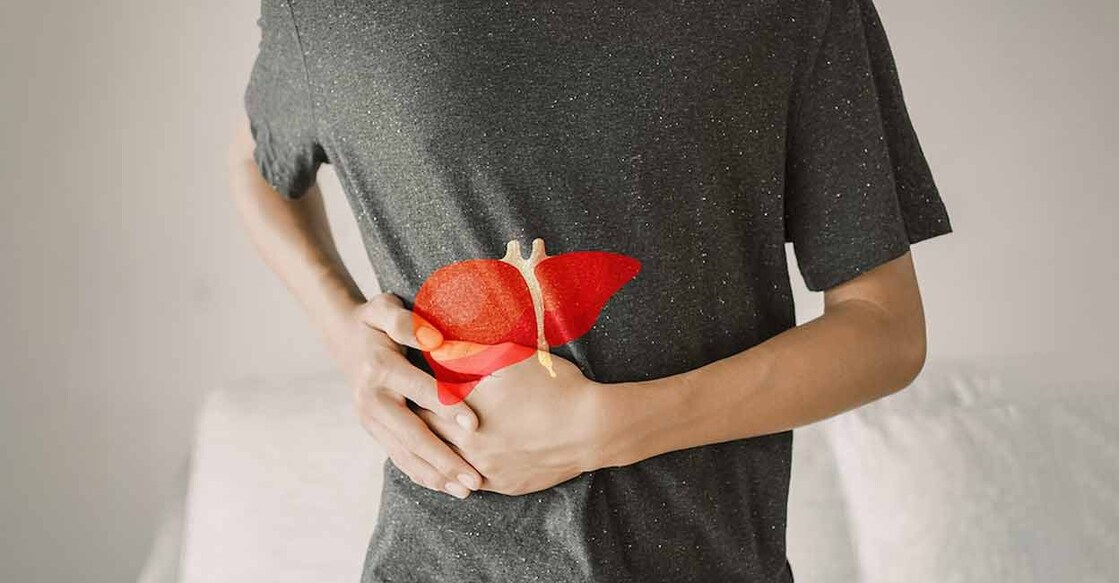
The liver is the largest internal organ in the human body and also acts as its main chemical processing unit. It plays a vital role in removing toxins, aiding digestion, and storing energy. However, changing lifestyles and unhealthy eating habits are increasingly affecting liver health in many people. Today, especially among the younger generation, food is no longer viewed merely as a source of nutrition. Instead, it is increasingly chosen primarily for taste. This shift has led to a growing fast food culture and the overconsumption of processed foods. Earlier, home-cooked, nutrient-rich meals were the norm, but now online food delivery apps and instant foods dominate everyday choices. Susan Ittey, Chief Clinical Nutritionist of Aster Medcity, Kochi, gives handy tips.
Dietary tips to protect liver health
1. Fibre-rich foods: Include whole grains, pulses, and vegetables in your diet. These help support liver function and prevent fat accumulation.
2. Antioxidant-rich foods: Foods such as berries, leafy greens, and grapes are rich in antioxidants that help protect liver cells from damage.
3. Healthy fats: Omega-3 fatty acids found in olive oil, nuts, and fish can help reduce inflammation in the liver.
4. Coffee and green tea in moderation: Studies suggest that moderate coffee consumption may help protect against liver diseases. Green tea, rich in catechins, also supports better liver health.

Avoid these to keep your liver healthy
• Excess sugar and salt: Sweetened soft drinks and bakery products are major contributors to fatty liver disease.
• Processed foods: Canned foods and fast food place an additional burden on the liver due to their high levels of additives and unhealthy fats.
• Alcohol consumption: Alcohol is one of the most damaging agents for the liver and can lead to serious conditions such as cirrhosis.
• Excess sugary beverages: Sodas, energy drinks, and artificially sweetened juices contain fructose, which directly affects the liver and can lead to diabetes and liver inflammation.
• Irregular eating habits: Late-night meals and skipping breakfast disrupt the liver’s natural metabolic cycle.
• Lack of physical activity: A sedentary lifestyle prevents the body from burning excess calories, leading to fat accumulation around the liver. As a result, non-alcoholic fatty liver disease, once seen mainly in adults, is now increasingly being reported among teenagers and young adults.
Lifestyle changes for better liver health
• Proper sleep and rest: Night-time sleep is when the body undergoes natural cleansing and repair. The liver performs its functions most efficiently during sleep. Ensuring 7–8 hours of quality sleep every day supports liver cell regeneration. It is advisable to go to bed early, preferably by 10.30 or 11 pm.
• Weight control: Excess body weight can lead to fat accumulation around the liver, resulting in fatty liver disease. Maintaining a healthy body mass index helps reduce the risk of liver disorders, with particular attention to abdominal fat.
• Limit use of plasticware: Avoid using plastic containers for storing or heating food. Chemicals from plastic can leach into food and act as endocrine disruptors, interfering with liver function. Instead, opt for glass or steel vessels.
• Avoid overuse of medications: Regular intake of painkillers or other medicines without medical advice, even for minor ailments, can cause serious liver damage. Remember that most medicines are processed through the liver.
• Regular health check-ups: Liver diseases often show no early symptoms. Hence, liver function tests and ultrasound scans should be done at least once a year. Vaccination against diseases such as Hepatitis B is also important.
• Avoid alcohol and tobacco completely: Alcohol is one of the fastest ways to damage the liver, while tobacco toxins can contribute to liver inflammation and even cancer. Giving them up is one of the best gifts you can offer your liver.
• Prefer natural drinks: Replace artificially coloured and sweetened beverages with lemon water, tender coconut water, and buttermilk. These help the liver flush out toxins more effectively.
• Drink plenty of water: Consume 8 to 12 glasses of water daily, or around 2.5 to 3 litres. Adequate hydration is essential for flushing toxins from the body and supporting liver function.

• Make exercise a habit: Daily physical activity helps reduce fat accumulation in the liver. Individuals with normal body weight should exercise for at least 45 minutes a day, while those who are overweight should aim for at least one hour of exercise.
• Eat in moderation: Avoid overeating and consume food in controlled portions at regular intervals. A balanced, nutritious diet should be followed three times a day. Equally important is an early supper, ideally by 8 pm.
Say 'no' to addictions
The liver is the guardian of our health. `Solid habits' are not just a phrase but something that must become part of our daily life. The true strength of our health does not lie in what we do occasionally, but in the habits we follow every single day. A building stands strong only as long as its foundation remains solid. In the same way, our habits determine the health of our liver. Today, what weakens many people is not sudden illness, but years of unhealthy lifestyle choices. That is why change must begin now. Saying ‘no’ to addictions and ‘yes’ to exercise should not remain mere resolutions; they must become a way of life. Every `healthy habit' we build today is an investment in tomorrow. Remember, the health of your liver is in your hands. Build stronger habits and move forward with a healthier liver.
Frequently Asked Questions
1. When does fat buildup in the liver become a problem?
While a well-functioning liver contains a small amount of fat, a build-up of fat over 5% of the liver's weight becomes a problem.
2. What are the risk factors of fatty liver disease?
a) Lipid abnormalities
b) High blood pressure
c) Type 2 diabetes
d) Obesity
3. What are the risk factors of liver cirrhosis?
a) Metabolic syndrome
b) Age over 50
c) Chronic viral hepatitis infection
d) History of alcohol use
4. Can live cirrhosis be cured?
No. However, treatment can slow the damage, depending on how well you respond.
5. Is liver cirrhosis always connected to alcohol use?
No. It can also happen due to conditions a person is unaware of or beyond their control. That said, liver diseases mostly respond well to healthy lifestyle choices.
