
The Kerala doctor who helped Lakshadweep get rid of tuberculosis
Mail This Article


Tuberculosis (TB) is considered one of the deadliest among the contagious diseases in the world. Although the disease has been tamed to a certain extent with modern medicines, TB still remains a dreadful health challenge. In 2025, India declared that it would completely eradicate the disease from the country. However, the latest reports suggest otherwise, with 2,030 new cases reported in India.
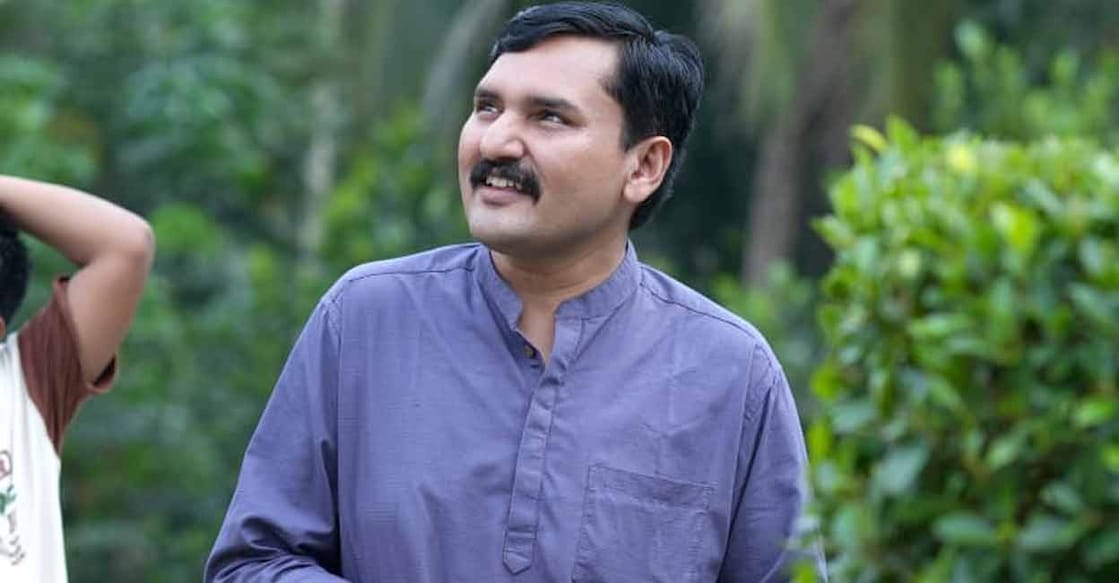
Even as the country is fighting to eradicate the disease, Lakshadweep, the mesmerising island, 200 kilometres from India’s south-western coast, has already said goodbye to tuberculosis. Lakshadweep has been declared the first union territory to be completely free of tuberculosis. A Keralite, Dr PS Rakesh, played a pivotal role as a representative of the World Health Organisation in helping Lakshadweep eradicate the disease. Rakesh, also a noted writer, recalls how the island became free of TB in his latest book, ‘Echoes From the Atoll’. The dedicated doctor opens up to us about his experiences on the island.
How did you land on the island?
The World Health Organisation has a special technical network that helps the central government’s TB eradication project. I worked as a consultant for that network in 2018 in the Kerala – Lakshadweep region. I was a part of the World Health Organisation’s network that supported the government of Kerala and the Lakshadweep Administration in their efforts to eradicate TB. Eradication doesn’t mean that the bacteria are completely eliminated; instead, we aimed to reduce deaths, other health issues, financial burdens, and discrimination due to TB.

What was the most challenging factor in TB eradication drive in the island?
The island's geography was the most challenging part. Lakshadweep has only ten inhabited islands, and it was really difficult to reach them, especially during the five-month monsoon. Even during the rest of the year, transportation to these islands mostly depended on the weather. So, it was key to adapt the project to the island's unique geography. For example, one TrueNat machine is generally used for one lakh people. The samples would be collected and brought to a centre for testing on the TrueNat machine. However, this is not possible in Lakshadweep due to poor transportation facilities. So, a machine was set up on each inhabited island to test the samples.
How did you manage to lead the project to victory?
Lakshadweep may be riddled with countless challenges, but it is also a land of myriad opportunities. As it is a union territory, the administration is directly under the central government. There is a hospital on each island, and Lakshadweep is a good model for adequate numbers of doctors, other health workers, and ASHA workers. So, the population is generally well informed and aware of public health.
ASHA workers, who are considered one of the most basic and important community-level components of India’s public health system, were trained in the TB eradication program. They visited every household in the islands looking for TB patients or people who showed symptoms. This process continued for years. The public task forces formed on the islands coordinated the ground-level work. The common people of the islands, the administration, health workers and the National Health Mission had turned the TB eradication drive into a people’s movement. Besides, Dr K Shamsuddin, director of the National Health Mission in Lakshadweep and TB officer Dr Muhammad Jaleel played key roles in making this project a grand success in the island. All the people on the island have been tested regularly for the last seven years. Currently, fewer than 20 among one lakh people have tested positive for tuberculosis in Lakshadweep.
How did you end up working for the World Health Organisation?
I hail from Kizhakkekkara in Kottarakkara, Kollam. I completed my schooling at Kollam Vendar Sree Vidyathi Raja Public School and Kottarakkara St. Gregarious Higher Secondary School. I then went on to study medicine at Thiruvananthapuram Medical College and Vellore Christian College. I have been associating with various international health organisations, including the World Health Organisation, for the last 15 years.
Currently, I am a global development specialist at the International Union Against TB and Lung Diseases. Besides, I work as a consultant for the United Nations and the Global Fund.
