

Kerala's silvery sardine: More than just a meal
Mail This Article


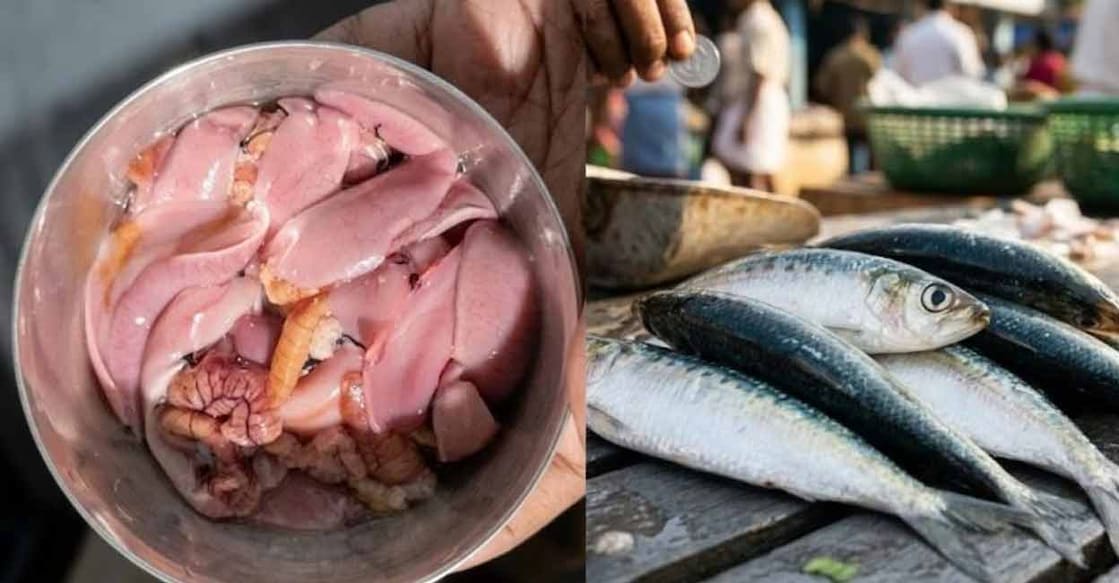
Karimeen or the pearl spot may be the state fish of Kerala, but our regular diet is incomplete without the tasty and extremely nutritious silvery sardines (mathi). Although sardines are abundantly available during the monsoon, households in Kerala enjoy spicy sardine curry and crispy fried sardines throughout the year. Monsoon is also the time when fresh roe is found inside sardines. Often called panji, pananjil or enar in local parlance, sardine roe is tastier and more nutritious than the fish.
However, most people do not know how to tell apart roes and milts that are found inside the fish. Milts are sperm sacs of male fish, and most of us have been falsely thinking that they are also fish ‘eggs’ with a different texture. There is no need to feel repulsed, as milts are safe to be consumed. Sardines can lay eggs only once in their lifetime. It must be noted that a female sardine can lay more than 50,000 roe at a time. Sardine roe is usually light yellow or orange in colour and has a slightly firmer texture. Meanwhile, milts are pure white or light pink and are more slippery.

Health benefits
Milt is more delicate than roe and often shrinks while cooking. You may notice tiny individual eggs inside a mature roe that give a subtle popping sensation when eaten. Sardine roes get firmer when cooked and may even crumble into tiny pieces if overcooked. Most people do not recognise the difference, as both roes and milt are extremely tasty and versatile. However, some say that the milts are tastier than the roes. Loaded with vitamin D, omega-3 fatty acids and protein, both sardine roes and milts are a great addition to your diet.
