

Gone are the days of superstition surrounding bael fruit: Why it's considered a superfood
Mail This Article


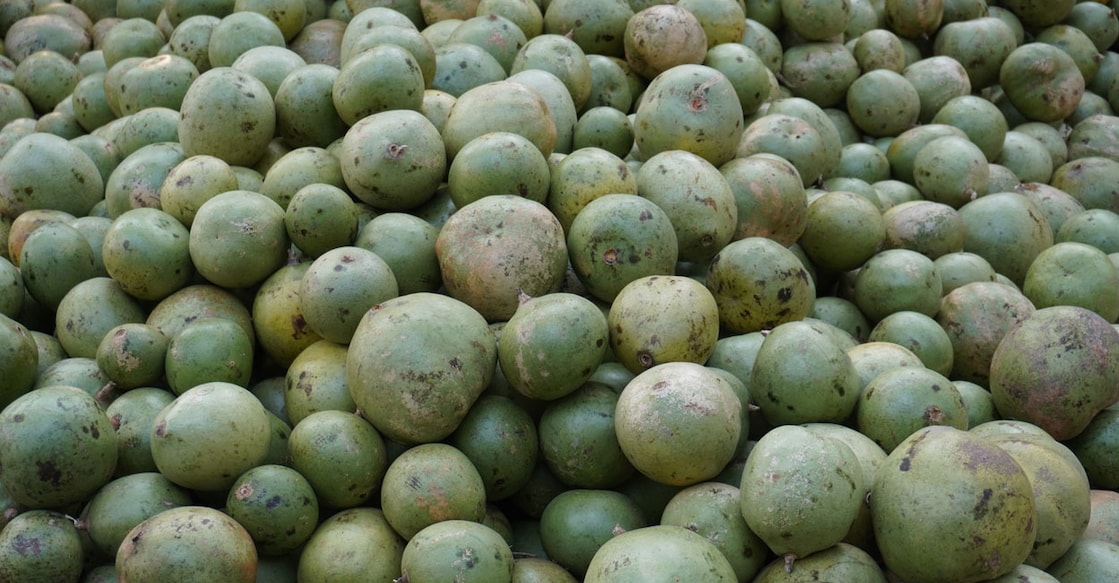
Koovalam aka bael, is a sacred tree that's found across India and belongs to the family of lemons. In the past, there were many negative superstitious beliefs as well about the tree and the fruit in some parts of the country. However, now, its nutritional profile and health benefits are well known and modern nutritionists actively promote the importance of including it in our diet during its season. Here's what you need to know.
Cultural and spiritual significance
The fruit, believed to be favoured by Lord Shiva, has trifoliate leaves that are routinely offered in temple rituals, and the tree itself is traditionally never chopped down for firewood by devotees. Botanically, the tree reaches heights of 10 to 12 metres, characterised by sharp thorns and three-lobed leaves. In Ayurveda, bael forms a primary ingredient of 'Brihat Panchamoola', a foundational group of medicinal roots used in classical formulations like Dashamoola. Virtually every part of the plant — from its roots and leaves to its bark, flowers, and fruit pulp — contains bioactive phytochemicals with broad therapeutic applications. Across North and East India, including states like Uttar Pradesh, Bihar, Bengal, Odisha, Madhya Pradesh, and Rajasthan, the fruit is deeply woven into regional lifestyle traditions. In Odisha, preparing 'Bael Pana' during Maha Bishuba Sankranti (the Odia New Year) remains a revered seasonal ritual.

Health benefits of bael fruit
1. Natural cooling properties: Bael acts as an exceptional cooling agent, regulating internal body temperature and guarding against heatstroke during severe summer spells.
2. Enhanced digestive health: High in dietary fibre, bael pulp eases sluggish summer digestion, relieving constipation, acidity, and indigestion. Drinking fresh bael juice on an empty stomach is particularly therapeutic for bowel regulation.
3. Immunity and detox support: Packed with Vitamin C and antioxidants, the fruit strengthens the body's natural defences against seasonal infections. Potassium content helps balance blood pressure, while fibre regulates cholesterol levels. Additionally, its natural compounds stimulate liver and kidney function, assisting in internal cleansing.
4. Diabetes management: Bael possesses a low glycaemic index. When consumed fresh without added sugars, it aids in improving insulin sensitivity, making it a safe choice for blood sugar management.
