

Shuhaib murder case: Kerala HC stays Sessions Court order cancelling bail of all 17 accused
Mail This Article


Kannur: The Kerala High Court on Tuesday, May 26, stayed the Thalassery Additional Sessions Court-III order cancelling the bail of all 17 accused in the Mattannur Shuhaib murder case.
Justice Kauser Edappagath ordered the immediate release of the accused and directed that the information be communicated to the police and prison authorities. The High Court, through its registry, also sought remarks from Additional Sessions Judge Ruby K Jose on the circumstances under which the bail was cancelled.
On Monday, the Thalassery Additional District and Sessions Court-III judge Ruby K Jose cancelled the bail of all 17 accused after the defence team repeatedly refused to cross-examine eyewitnesses during the trial.
The defence team in Thalassery has meanwhile taken the position that Judge Ruby Jose is “prejudiced” against the accused and has sought transfer of the trial to another court.
Adv S Rajeevan, appearing for the accused before the High Court, told Onmanorama that the bail cancellation order was stayed as it would not withstand legal scrutiny.
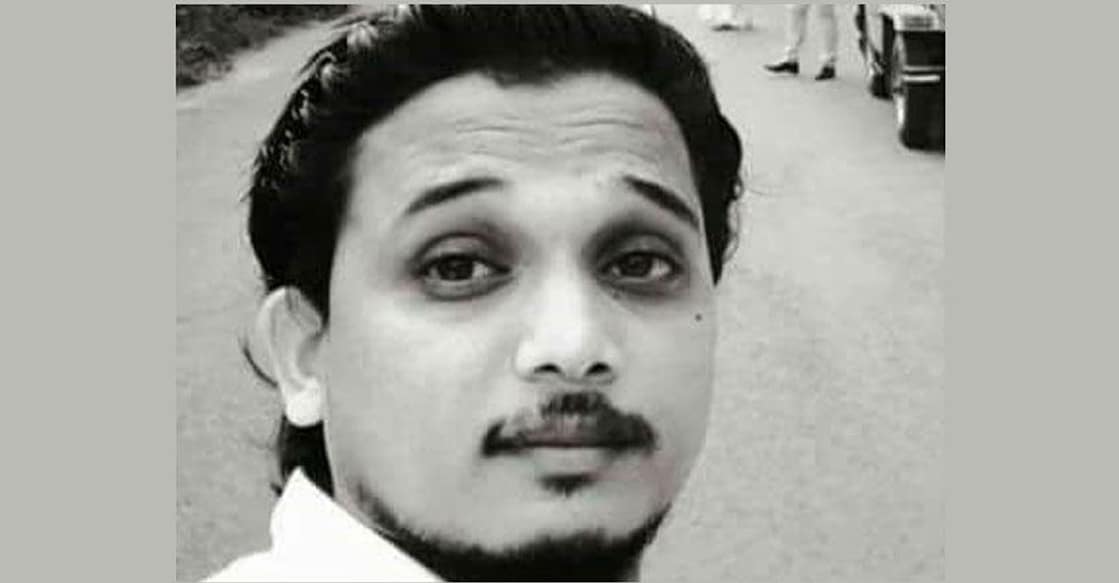
The trial in the politically sensitive murder case began on May 18 before the Thalassery Additional Sessions Court - III, more than eight years after the charge sheet was filed. Youth Congress worker S P Shuhaib (29) was hacked to death on February 12, 2018, at Edayannur near Mattannur in Kannur district. All 17 accused, including M V Akash alias Akash Thillankeri, are alleged to be CPM workers or sympathisers. The charge sheet said Shuhaib was a victim of political killing.
On the first day of the trial on May 18, the first eyewitness, Riyas, identified the first five accused as the assailants and the clothes they wore and the weapons they used. Riyas was with Shuhaib and was injured in the attack. But the defence objected to his voluntarily testifying instead of responding to questions put to him by the prosecution. “The prosecution was supposed to put questions to the eyewitness and elicit answers. Instead, the eyewitness took the stand and voluntarily identified the accused, their clothes and the weapons. It was like a speech from a maidan,” Adv. Hari had told Onmanorama. “We wanted the court to expunge the statement.”
The court rejected the objection.
But after that, the defence refused to cross-examine the second, third and fourth witnesses.
The Sessions Court interpreted the refusal to cross-examine witnesses as deliberate non-cooperation intended to delay the trial, leading to the cancellation of bail. The court on Monday held that both the accused and their lawyers had “wilfully refused to participate in the trial” and that their conduct amounted to “intentional obstruction, collusion and delay”. The court also recorded that the accused also endorsed the stance taken by their lawyers.
The Sessions Court held that it was "empowered to take coercive steps to ensure the progress of the trial". Following that, the court cancelled the bail granted to all 17 accused and remanded them to judicial custody at the Special Sub Jail, Thalassery.
The defence, however, argued that there was no legal basis for cancelling the bail. Adv Har pointed out that all the accused had remained on bail since 2018, after the charge sheet was filed, and there had not been a single allegation of violation of bail conditions.
Mere non-cooperation during trial is no ground for cancellation of bail, he said. "The court could proceed with the available evidence and even convict them if it found the evidence sufficient,” Hari said. "But there was no reason to cancel the bail."
All the accused will be out on bail soon, said Adv Hari after the high court order.
The Thalassery District Court would hear the defence petition to transfer the trial out of Ruby Jose's court on May 29.
