

Shuhaib murder case: Bail of all 17 accused cancelled after 'defence refuses to cooperate with trial'
Mail This Article


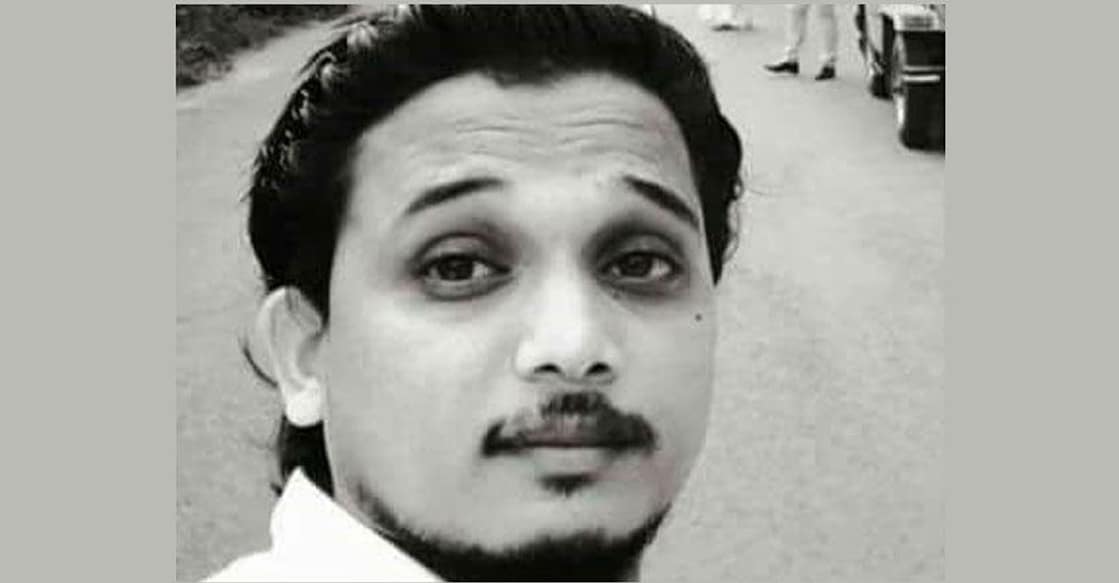
Kannur: A week after the trial began in the "political murder" of Youth Congress worker Mattannur Shuhaib, the Thalassery Additional District and Sessions Court-III on Monday cancelled the bail of all 17 accused.
Additional Sessions Judge Ruby K Jose, on Monday, May 25, initiated remand proceedings against the accused after repeated refusals by the defence to cross-examine the eyewitnesses. The defence has called the judge "prejudiced" and sought transfer of the trial from her court.
The trial began on May 18, eight years after the charge-sheet was filed in the murder of 29-year-old Youth Congress worker S P Shuhaib. He was killed on February 12, 2018, at Edayannur in Kannur's Keezhallur grama panchayat near Mattannur.
All 17 accused, including M V Akash alias Akash Thillankeri, are CPM workers or sympathisers. The other accused include Rijin Raj, A Jibin, C S Deepchand, Baiju, T K Askar, K Akhil, K Sanjay, K Rajath, Anwar Sadath and Sangeeth.
According to the prosecution, the first five accused -- Akash Thillankeri, Rijin Raj, Jibin, Deepchand and Baiju -- were directly involved in the murder, while Askar drove the WagonR used by the assailants. The remaining accused allegedly assisted the prime accused.
Special Public Prosecutor Adv K Padmanabhan said the trouble began after the first eyewitness, Riyas, who was himself injured in the attack, took the stand on the opening day of the trial. Riyas identified the first five accused in court as the men who directly participated in the attack. He also identified the clothes allegedly worn by the assailants and the weapons used in the murder. Riyas was subsequently cross-examined by the defence counsels.
After the examination, counsel for the first three accused, Adv P V Hari, argued that the 'chief examination' (in this case, questioning by the prosecution) of the eyewitness was not conducted in accordance with Section 137 of the Indian Evidence Act, which defines examination-in-chief, cross-examination and re-examination.
"The prosecution was supposed to put questions to the eyewitness and elicit answers. Instead, the eyewitness took the stand and voluntarily identified the accused, their clothes and the weapons. It was like a speech from a maidan," Adv Hari told Onmanorama. "We wanted the court to expunge the statement."
However, according to the defence, the court neither recorded their objection nor expunged the eyewitness's account.
In the subsequent days, the second eyewitness, Noushad -- who was also injured in the attack -- was examined. He too identified the first five accused as the attackers, identified their clothes and weapons allegedly used during the assault. This time, the eyewitness answered the prosecutor.
But the defence refused to cross-examine Noushad and moved a petition to record the alleged flaw in the chief examination of the first eyewitness. Judge Ruby Jose rejected it.
On Monday, May 25, the third eyewitness, Moinudeen, who escaped unhurt during the attack, identified the first three accused -- Akash Thillankeri, Rijin Raj and Jibin -- along with the clothes they allegedly wore during the incident.
'Judge prejudiced'
However, the defence refused to cross-examine Moinudeen. Instead, on the same day, it filed a petition before the Thalassery District Court seeking transfer of the trial from the court of Judge Ruby K Jose to any other sessions court. "We approached the District Court saying she was prejudiced," said Adv Hari.
The defence said it also filed a petition in the High Court alleging a violation of Section 137 of the Evidence Act.
The defence cited these two petitions not to cross-examine the eyewitnesses. "The judge then directly asked the accused whether they had anything to say regarding their counsel's refusal to cross-examine the eyewitnesses. All 17 accused replied that they shared the same position as their lawyers," said Special Prosecutor Adv Padmanabhan.
"The defence was not at all cooperative with the trial," he told Onmanorama after the hearing. "Taking all these aspects into consideration, the court cancelled the bail of accused numbers 1 to 17," he said.
Adv Padmanabhan said he had also opposed the transfer petition before the District Court. The petition is scheduled to be heard on May 29. The defence maintained that the court's handling of the examination of witnesses was improper. The cancellation of the bail reinforces the perception, the defence said.
Adv Hari pointed out that all the accused had remained on bail since 2018 without violating any bail conditions. "There was no mistake on the part of the accused. If the defence is not cooperating, the court can proceed based on the evidence available. Why should bail be cancelled?" Hari said. "There was no ground to cancel the bail and send them to prison."
The murder of Shuhaib, then a 28-year-old Youth Congress leader, had triggered massive political controversy in Kerala, putting the CPM in the dock over political killings in Kerala.
According to the prosecution, Shuhaib was attacked around 10.30 pm on February 12, 2018, while leaving a roadside eatery at Edayannur near Mattannur along with his friends Riyas, Noushad and Moinudeen.
A gang allegedly arrived in the WagonR car, hurled country bombs to create panic, and then hacked Shuhaib to death. The charge-sheet described it as a political murder allegedly linked to disputes in a school.
The case sparked widespread protests led by the Congress party. Senior Congress leader K Sudhakaran began an indefinite satyagraha on February 19, 2018, demanding a CBI probe into the murder. He withdrew the protest on February 27 after a single bench of the Kerala High Court ordered a CBI investigation on a petition filed by Shuhaib's parents.
However, the CPM-led LDF government challenged the order before a division bench of the High Court, which later set aside the single bench verdict in August 2019. In September 2024, the Supreme Court declined to interfere with the division bench ruling, allowing the investigation to remain with the Kerala Police.
The charge-sheet in the case was filed on May 14, 2018, within 90 days of the murder. Despite that, the trial commenced only on May 18, 2026, more than eight years later.
