

Hip hinge: Why include this simple move in your workout
Mail This Article


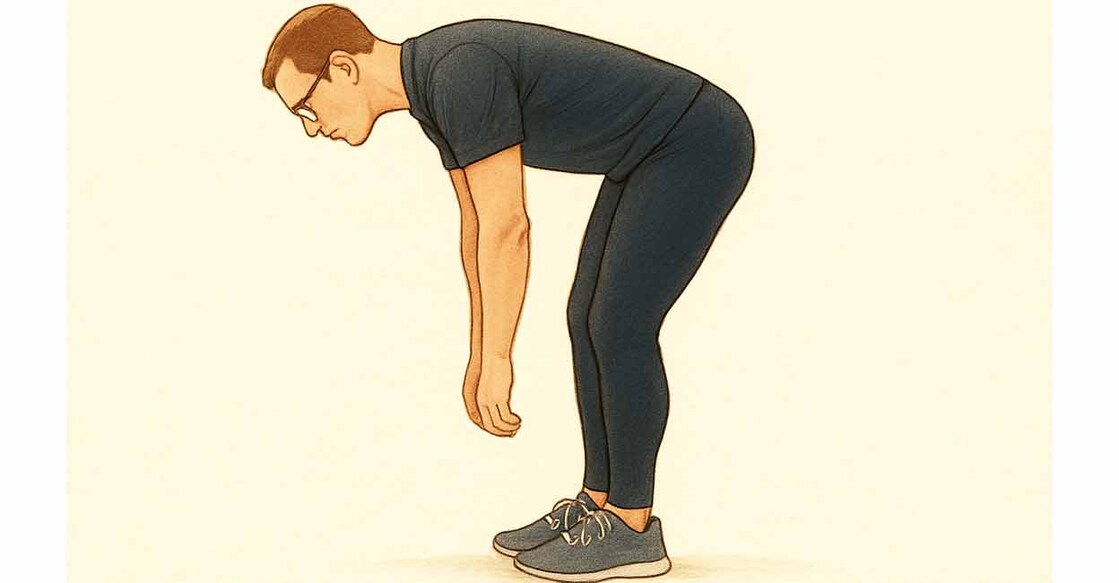
Do you want to work your back, hips, glutes, hamstrings and core in one single, simple move? All you need to do is include the 'Hip Hinge' move in your workout. Yes, many gym rats often joke that it's a move bowing to the back pain of adults, but it protects your back and can even be the right base for many other moves, like kettlebell swings and deadlifts. Unlike many workout moves, you can benefit from a hip hinge whether you are a beginner at workouts, athlete, older adult or even those with hours-long desk jobs and stiff backs. According to the wellness therapists of the Mayo Clinic Healthy Living Programme, the hip hinge can stretch, strengthen and release your body in a straightforward move. Let's see how to do it.
How to do it?
1. Stand tall and keep your feet hip-width apart.
2. Make sure your back is straight.
3. Now, slowly, hinge forward, keeping your arms relaxed.
4. Squeeze your glutes in the process, while standing.
5. Repeat 10 to 12 times in three sets.
Variations of hip hinge
Beginners should begin learning the move with the basic hip hinge. Once they master it, they can try variations under a trainer's supervision. Here are a few to name:
1. Wall-assisted hip hinge
2. Banded hip hinge with a resistance band
3. Deadlift with weight on a trap bar or barbell
Mistakes to avoid
1. Don't do it if you have a severe back injury or pain.
2. Don't do it without checking with your doctor if you have restrictive physical conditions of any kind.
3. Don't round your back.
4. Do not bend your knees too much.
5. Don't go too low or overextend your back.
 Add as a preferred source on Google