

Kacholam or sand ginger: How to use it for ailments, what's the daily limit
Mail This Article


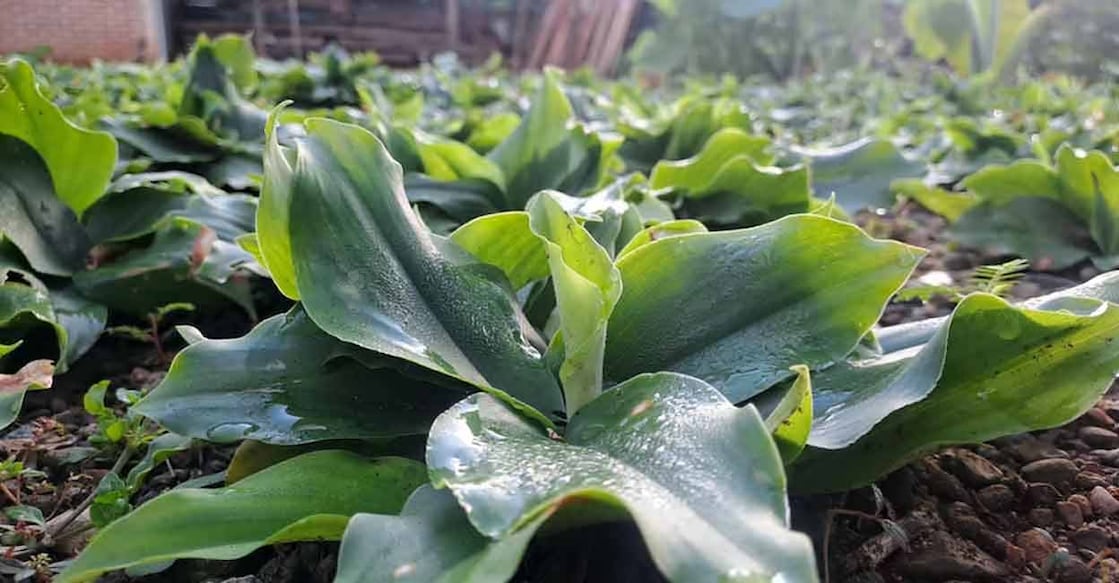
Kaempferia galanga, known as Kacholam in India, Kenkur in Indonesia, and sand ginger in English, is a prized medicinal plant from the Zingiberaceae family. Unlike common ginger varieties, Kacholam is shorter and distinguished by its broader and rounded leaves. For centuries, it has been an essential ingredient across Southeast Asia, valued in both traditional medicine and the kitchen. Traditional healers prescribe it for cough, asthma, and digestive issues, while chefs use it to elevate aromatic spice blends, sauces and curries. Today, its relevance has only grown beyond kitchens and ayurvedic stores with Kacholam now enjoying significant demand in herbal formulations, cosmetics, and therapeutic oils.
The aromatic tuber of Kaempferia galanga goes by many names, including Kachuri, Karchura, Gandhamoola, Chandashadi, Shadhi, Kapoorkachri, spiked ginger, and sand ginger. In North India, the plant Hedychium spicatum is also called Kachoori, and because of its similar herbal properties, both are used in Ayurvedic medicines. Kacholam, also known as Kachoorikizhangu, has a sharp fragrance and a camphor-like taste. Beyond Ayurveda, Kacholam holds an equally prominent place in Chinese, Tibetan, and Unani medicine.
Relief from diseases
According to Ayurveda, the plant has numerous health benefits. However, try it only after speaking with your healthcare provider, especially if you have serious medical conditions. These are a few ways in which kacholam is used in traditional medicine:
1)Chewing small pieces of Kacholam helps prevent bad breath
2) Applying Kacholam paste or Kachooradhi Choornam mixed with milk can ease headaches
3) Dried Kacholam combined with honey reduces vomiting
4) Nasal drops prepared from Kacholam residue mixed with refined oil help treat nasal and neurological conditions

5) Refined oil made using powdered Kacholam root provides relief from sinusitis
6) It enhances lung contraction and expulsion, aiding the breakup of phlegm
7) While widely used for digestive ailments, it is also prescribed for arthritis, respiratory disorders, rheumatoid arthritis, piles, indigestion, breathlessness, anorexia, asthma, skin diseases, parasitic infections, neurological issues, and chronic wounds
8) Its vaporising oil is a staple in the cosmetics industry
9) Slowly consuming Kacholam wrapped in a betel leaf alleviates cough and breathlessness
10) A medicinal blend of Kacholam, cheru thippali, and ilavangatholi mixed with honey helps manage intermittent fever, runny nose, and body aches. The tuber can be used as a tooth powder to ease gum pain and combat bad breath. A scalp application of Kacholam paste mixed with sesame or coconut oil supports relief from circular hair loss and dandruff
11) A mixture of hogweed and dried ginger taken for two to three weeks reduces rheumatoid arthritis symptoms
12) Kacholam paste applied on joints helps with pain and swelling
13) Rice gruel prepared with Kacholam leaves and buttermilk, seasoned with pepper, provides relief from piles
14) Powdered kacholam tuber mixed with honey soothes throat irritation, cough, and other lung conditions
15) A concoction of kacholam with pepper, cinnamon, alcohol, honey, or sugar candy helps relieve cough and bronchitis
16) A blend of kacholam tuber, garlic, thumpa flower, and Embelia ribes consumed twice daily for a week effectively eliminates worm infestations.
17) The oil extracted from Kacholam helps treat fungal and mould-related skin issues
18) Its root and tuber paste can be applied to wounds and infections
19) Kacholam powder mixed with sesame oil and applied on the forehead promotes restful sleep, while refined oil infused with Kacholam supports the management of neurological disorders
20) Applying ground Kacholam to the body helps reduce swelling. The recommended maximum daily intake of Kacholam powder is 1–3 grams.
Kacholam oil
Kacholam oil contains several potent medicinal compounds, including cineol, borenol, 3-carene, camphene, kaempferol, kaempferide, cinnamaldehyde, p-methoxycinnamic acid, ethyl cinnamate, and ethyl p-methoxycinnamate. It is a key ingredient in many classical Ayurvedic preparations such as Usheerasavam, Dashamoolarishtam, Sharibaadyasavam, Valiya Rasnadhi Kashayam/Tablets, Rasnadhi Ghrutham, Dhanwantharagrutham, Eladhikerathailam, Kunthalakanthithailam, Cheriya Rasnadhithailam, Valiya Narayanathailam, Neeshosheeradhithailam, Balathailam, Mahaamashathailam, Chyavanaprasham, and Agasthyarasayanam.
Note: The prescriptions given here reflect the author’s guidance. Please follow them only after consulting your own physician.
 Add as a preferred source on Google