

Former MD reveals the secret behind Kochi Metro's success
Mail This Article


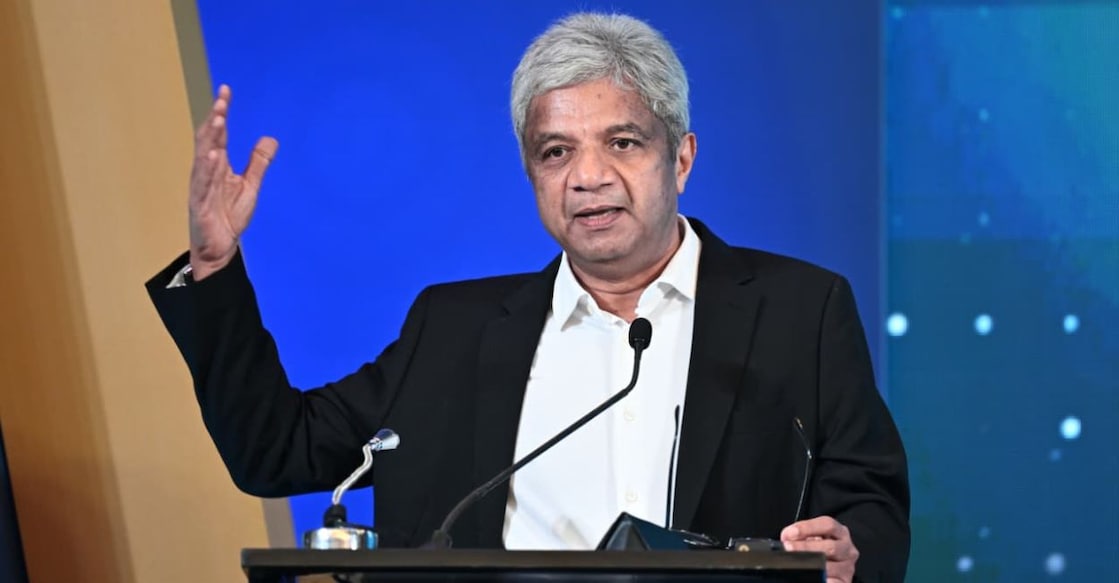
Kerala's development journey relies heavily on public participation, social progress, and inclusive planning, according to Federal Bank Chairman and former Kochi Metro Managing Director Elias George. Drawing from his extensive experience in executing landmark initiatives like the Kochi Metro and Kochi Water Metro, he outlined a development blueprint specifically tailored to Kerala's unique socio-ecological landscape.
Redefining social infrastructure
Infrastructure extends far beyond concrete roads and bridges, George emphasised. Over generations, Kerala has established a robust foundation in social infrastructure, particularly in education, healthcare, and cultural preservation. He noted that the state's global brand value is bolstered by deep-rooted community harmony and safety, often demonstrated by everyday civic mindfulness such as the unprompted clearing of traffic for emergency ambulances.
While urban transit systems across the globe frequently struggle with operational losses, Kochi Metro set out with a broader mission: elevating the overall quality of life. The project introduced major social reforms, including ensuring safe night transport for women and creating formal employment opportunities for Kudumbashree workers and transgender individuals, setting a new benchmark for social inclusivity in public sector projects.
Revolutionising island connectivity
Similarly, Kochi Water Metro has captured international attention by delivering modern, efficient transport to island communities surrounding the mainland. Once fully operational with 78 electric boats and interconnected terminals, the project is expected to transform local commuting habits and unlock significant high-value investment opportunities.
Addressing Kerala's geographical constraints, George pointed out that high population density and delicate ecosystems naturally limit certain traditional industrial expansions. Rather than pushing for heavy manufacturing or resource-intensive data centres, the state should focus on attracting high-value, sustainable investments that align with its environmental realities.
Three core strategies behind Kochi Metro's success
Reflecting on the execution of the metro project, George shared three pivotal strategies that drove its success:
1. Transparency and community trust
Projects were carried out transparently, taking the public into confidence regarding every goal and timeline. In Kerala's active civic environment, major development cannot happen behind closed doors.
2. Engaging critics constructively
When environmental activists raised concerns over the construction of the Muttom metro yard, the project leadership formed a dedicated task force involving the critics themselves, turning opposition into collaborative problem-solving.
3. Fostering bipartisan political consensus
The metro administration actively engaged stakeholders across all political parties, ensuring that infrastructure development remained a shared priority above political divides.
