

What is indelible ink made of and why does it stay on for 72 hours?
Mail This Article


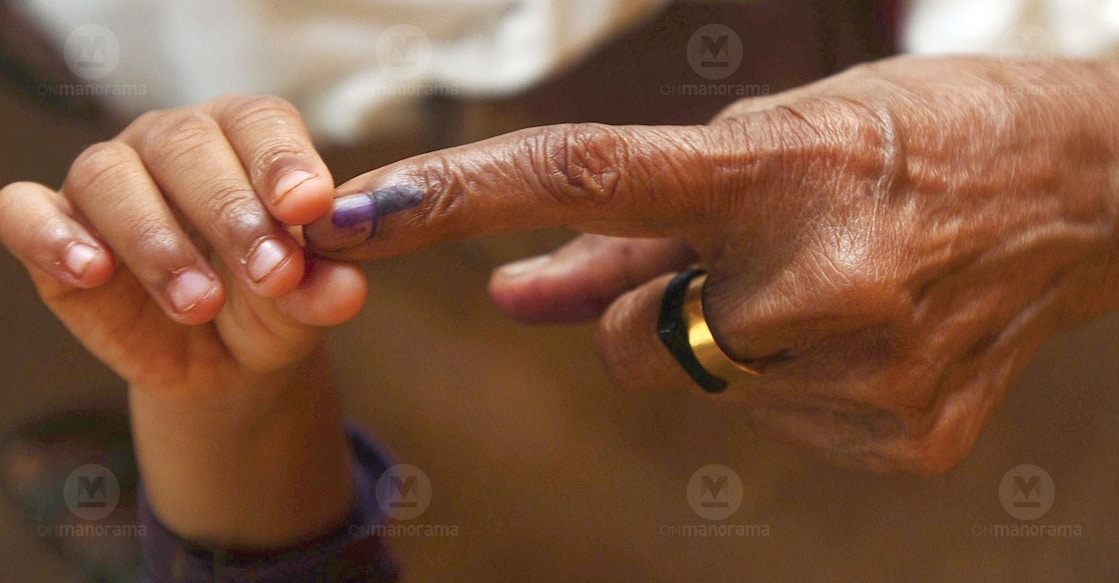
The purple mark on a voter’s finger is one of the most recognisable images of an Indian election. But behind that quick swipe of ink lies a carefully guarded formula, strict Election Commission rules, and decades of scientific refinement.
Indelible ink is designed to do just one job: ensure that no voter can cast a ballot twice. What exactly is this ink made of, who manufactures it, and why does it stay visible for up to 72 hours? Here’s a closer look.
At the heart of this process is Mysore Paints and Varnish Ltd (MPVL), a Karnataka government-owned company that has been manufacturing India’s indelible ink since 1962. Developed originally by the National Research Development Corporation, the ink is now exported to more than 25 countries, including Canada, Mongolia, South Africa and the Maldives. For the last Lok Sabha elections alone, MPVL has supplied over 26.55 lakh vials worth nearly ₹55 crore.
Why does the ink last?
The ink’s staying power comes from its key ingredient, silver nitrate, a colourless compound that darkens on exposure to ultraviolet light. As noted by the United Nations Development Programme, an ideal concentration of about 20 percent silver nitrate ensures the mark stays put for up to 72 hours and resists removal by soap, detergents, or other household cleaners. A solvent such as alcohol helps the ink dry instantly. Beyond this, the precise formulation remains a closely held secret.
What rules say about applying the ink?
The Election Commission of India has laid down clear guidelines on how the ink must be applied, detailed in communications sent to all States and Union Territories.
Under Rule 49K of the Conduct of Elections Rules, 1961, a voter’s identity is confirmed at the booth, after which the presiding or polling officer must inspect the left forefinger and apply the indelible ink mark.
However, the Commission has issued specific instructions for situations where an ink mark from a previous election is still visible:
1. If a person has voted in another poll within the last two months and the ink mark on the left forefinger is still visible, the ink should be applied on the middle finger instead.
2. If both the forefinger and middle finger already show ink marks, application should shift to the ring finger, and so on.
3. If the voter is missing a finger, Rule 49K continues to apply, and officers must adapt accordingly.
4. State and UT authorities are required to widely publicise these guidelines during training and awareness programmes.
 Add as a preferred source on Google