

Opinion | Deepak to Naveen Babu: Asymmetry of justice in the age of public shaming
Mail This Article


In a quiet stretch of Malabar, recently, cameras were not the only witnesses to a collision between modern public life and individual vulnerability. Something darker, more elemental, also unfolded. It was a collision of narrative, power, and consequence that reveals not merely how lives end, but how they are seen to matter in our time.
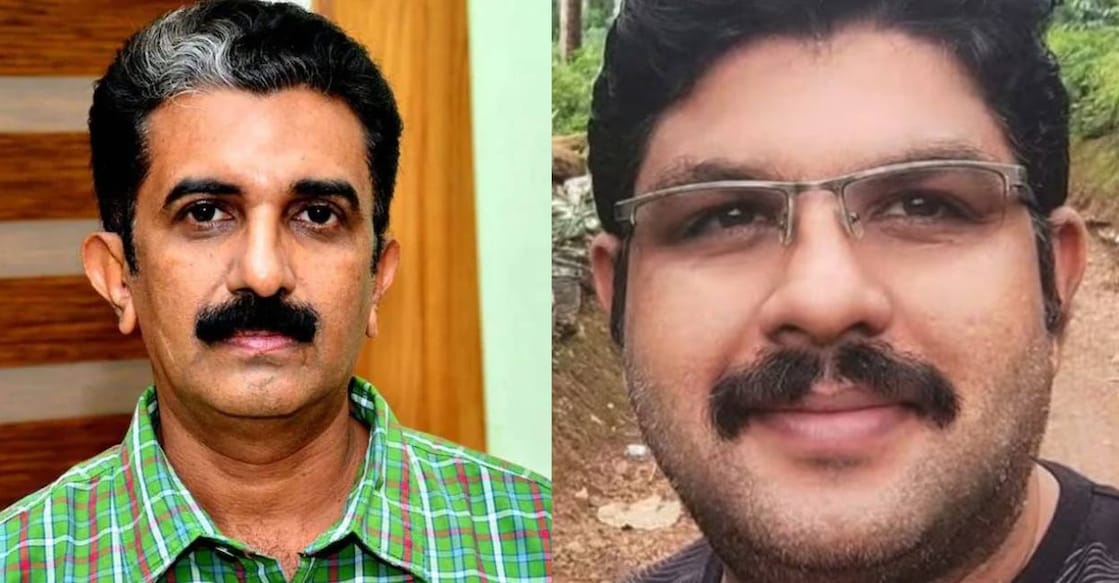
In Kozhikode district, social media personality Shimjitha Musthafa, an online content creator and former local politician, was arrested in connection with the suicide of U Deepak, who died shortly after a video she posted alleging misconduct went viral. The police quietly took her into custody from a relative’s home under careful surveillance and remanded her to court. The optics were controlled, the procedure methodical, and the legal machinery visible. The case quickly became a national talking point about online influence, accountability, and public shaming. Also, it unfolded with the certainty of institutional response that accompanies any high-profile narrative in the age of viral outrage.
Meanwhile, over a year ago, another death in Kerala had sparked its own storm although with a completely different cadence. Additional District Magistrate (ADM) Naveen Babu, a career civil servant in Kannur, was found dead at his official residence after facing public humiliation during his farewell function. A fiery Kannur district panchayat president, also a member of the ruling CPM, had accused him of wrongdoing, from the dais at an official event. The footage and commentary circulated widely.
Naveen Babu’s death was swiftly ruled a suicide, and the sole accused was granted bail and soon resumed political life. Despite protests, legal petitions, and even a plea for CBI investigation to forestall bias, the High Court and Supreme Court upheld the state investigation without overturning bail.
Two men met with the same fate. One was a reluctant defendant in a social media-sparked tragedy and another a public servant undone by public accusation. And, two women in the eye of a legal storm. In one, the state’s apparatus of inquiry, court, and custody moved briskly. In the other, the very machinery of justice moved at the measured pace of political restraint.
What threads stitch these disparate stories together? Both involve suicide, social exposure, and the cruel calculus of reputation in an era where screens mediate almost every judgment. But beneath that lie questions about privilege, power, and the limits of public accountability. It is amply clear as to who is swiftly drawn into the glare of state’s response and who is allowed the slower turns of process and proximity to influence.
In Deepak’s death, the societal eye landed on an individual whose digital footprint was visible but whose personal vulnerability was overlooked. In Naveen Babu’s case, a career and dignity was dissolved in a space where political proximity seems to have afforded procedural breathing room.
These stories confront us with a bitter paradox. The law can be both unambiguously present and mysteriously distant. It depends hugely on which narratives intersect with power, politics, and public perception.
They ask, without an easy answer, how society applies its gaze and its mercy.
