

Gas crematoriums of local bodies stare at closure as LPG supply prioritised for hospitals
Mail This Article


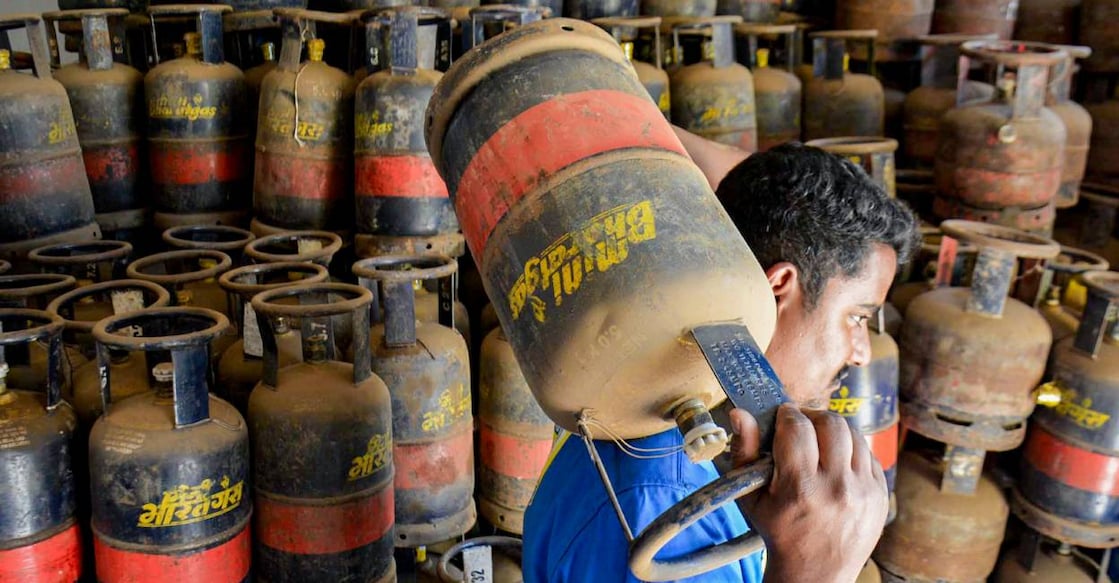
Kasaragod: The Union government’s decision to divert LPG supplies exclusively for domestic cooking gas production amid global energy disruptions has begun to affect not just restaurants but also gas-based crematoriums in Kerala.
Kozhikode Municipal Corporation’s public crematorium near the new bus stand had to decline three bookings on Tuesday, March 10, after it ran short of gas, said health officials. “But we cremated two bodies yesterday, one today, and we have a booking tomorrow. But because of the shortage, we have to decline several calls,” the corporation’s health inspector responsible for the crematorium, Smrithi Padam, said on Wednesday. Bookings are accepted only through the crematorium’s 24x7 phone number. “So, there is no question of bodies returning from the crematorium. But because of the crisis, we are forced to decline several requests,” he said.
On average, the Kozhikode crematorium, with four furnaces, gets around 90 bodies in a month, that is, at least three a day. For that, it requires 120 commercial cylinders every month. That translates to four every day. "Each of the four furnaces is connected to 12 commercial cylinders. So at a time, we have 48 cylinders plugged in," he said. The Bharat Petroleum agency supplying gas cylinders is not able to meet its requirement, the health inspector said.
The corporation officials said they will be writing to BP to include crematoriums in its essential services list on Thursday. “We will be doing that first thing in the morning. As of now, only schools and hospitals are in the essential services list,” the health official said.
In East Eleri grama panchayat in Kasaragod district, the LPG-fuelled crematorium at Kadumeni is facing an immediate shortage after its local distributor declined to supply cylinders. The panchayat has now sought urgent intervention from the Indian Oil Corporation’s regional office in Kozhikode to restore supplies.
The crematorium serves residents of Balal, East Eleri, and West Eleri panchayats in Kasaragod district, as well as Cherupuzha panchayat in neighbouring Kannur district. It is widely used by Scheduled Tribe families and other economically weaker sections, according to Joseph Mutholi, vice-president of East Eleri grama panchayat.
The crematorium runs entirely on LPG and operates with six cylinders, of which at least three need to be refilled every week. The crematorium is supplied with gas by Anna Indian Gas Service in Cherupuzha. “Today, when we placed an order for three cylinders, we were told that supplies would now be made only to hospitals and not to other establishments, including crematoriums,” said Mutholi. The agency is an authorised LPG distributor of the Indian Oil Corporation (IOC).
On average, the crematorium handles around 25 cremations a month, though there are occasions when more than one cremation takes place on the same day. Panchayat officials said six cylinders are required to cremate four bodies on average, making an uninterrupted supply essential.
The disruption stems from a high-level directive issued by the Ministry of Petroleum and Natural Gas in the first week of March, directing oil companies to prioritise LPG for household cooking gas.
The order came in the wake of disruptions in global energy supply chains linked to the ongoing US-Israel conflict with Iran, which has affected energy shipments through West Asia. To safeguard domestic consumers, the Union government directed that available stocks of propane and butane, the key components of LPG, be diverted exclusively for domestic cooking gas production. As a result, supplies to non-domestic sectors have been temporarily curtailed.
The impact is likely to be felt across Kerala, where local bodies increasingly rely on LPG-powered crematoriums. Around 2017, the state government’s Suchitwa Mission proposed setting up gas-based crematoriums in local bodies, describing them as cleaner and more cost-effective than traditional wood-fired facilities. The mission had proposed building at least 200 such crematoriums across the state, many of which now depend on regular LPG supply.
For communities served by the Kadumeni facility, the crematorium is often the only option. While Muslims and Christians in the region bury their dead and wealthier Hindu families sometimes conduct cremations on private property, poorer households and Scheduled Tribe communities rely almost entirely on the panchayat-run facility, said Mutholi.
The panchayat charges only a nominal fee, and for Scheduled Tribe families, the cost is directly borne by the Scheduled Tribe Department, he said.
Pressure on the facility is compounded by the lack of alternatives. Crematoriums in Balal and West Eleri panchayats are not functional, while Cherupuzha panchayat does not have one.
In its letter to the IOC regional office, the East Eleri panchayat secretary warned that any prolonged disruption in LPG supply could make it impossible to carry out cremations for people from several panchayats, potentially creating “major public issues and law and order problems, as the inability to cremate bodies could trigger social and communal tensions.”
The panchayat has urged the oil company to issue immediate instructions to the agency to ensure uninterrupted LPG supply to the Kadumeni crematorium.
