

Mail This Article


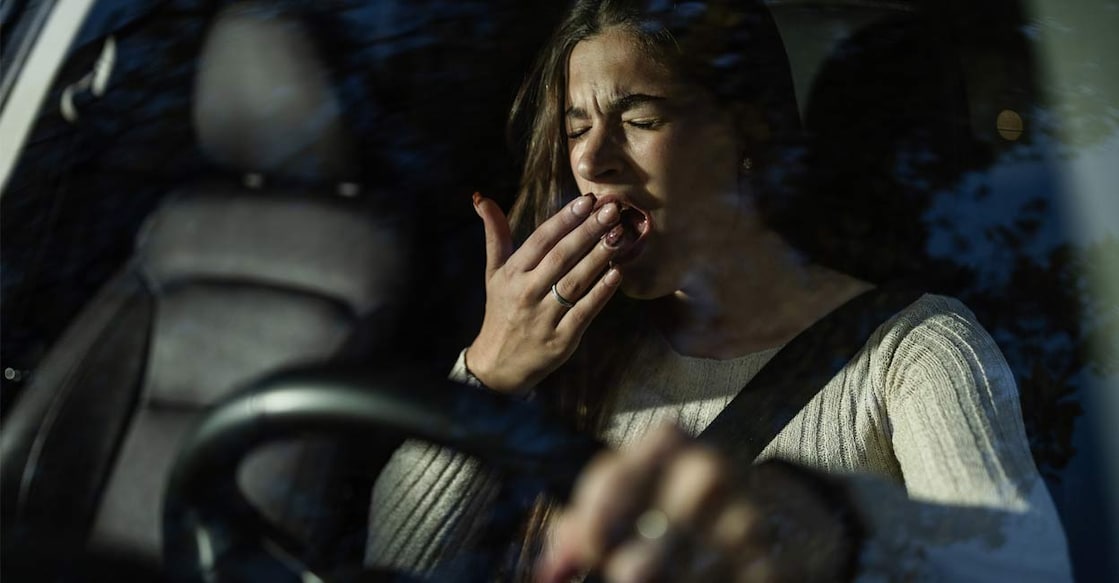
The interior of the car is warm, filled with the soft, soothing melody of a favourite playlist. It is 1 am, and your companion in the front seat has long since drifted off to sleep. You left home just after 10.30 pm to pick up a close friend returning from abroad. With the airport still an hour away, the empty, desolate highway ahead tempts you to push the accelerator further down. But your eyelids feel incredibly heavy. You promise yourself you will pull over at the very next roadside kiosk for a quick black tea to shake off the fatigue. Then, your eyes close for a mere second. Suddenly, there is a deafening crash, a terrifying spin, and the world goes pitch black.
The science of sleep and survival
From the dawn of human existence, our bodies have been governed by a precise biological clock. Disrupting this natural circadian rhythm carries a heavy penalty—sometimes even costing us our lives. This disruption is most common during overnight journeys. When sleep takes over, even for a fleeting second, crucial driving decisions fail instantly. While traffic is significantly lighter at night, nearly half of all fatal road accidents occur during these dark hours. Because overnight travel is often unavoidable, understanding how sleep deprivation affects our cognitive state is paramount to our safety.

Fatigue vs alcohol: A dangerous parallel
Many of us understand the absolute danger of driving under the influence or texting behind the wheel, yet we routinely ignore the risks of driving while exhausted. Studies reveal that losing just two hours of sleep can impair your brain and motor skills to a degree equivalent to drinking three beers. Missing even a single hour of your regular sleep cycle significantly elevates your accident risk. This occurs because extreme tiredness compromises your spatial awareness, slows down your reflexes, and severely limits your decision-making capacity under pressure.
The battle with low-light vision
Safe driving relies on visual cues for about 90 per cent of all decisions on the road. Consequently, compromised night vision is one of the most significant hazards a driver can face. Conditions like myopia, cataracts, and tunnel vision make night driving highly hazardous, while individuals suffering from night blindness should avoid driving after sunset entirely. Furthermore, oncoming headlights pose a major threat; our pupils naturally dilate in low light to improve visibility, but the sudden glare of high-beam lights causes immediate pupillary constriction, resulting in brief, highly dangerous temporary blindness. This visual vulnerability worsens as we age. A driver in their mid-fifties requires nearly double the amount of light to see as clearly as a 30-year-old. Those over 40 should schedule regular eye examinations and opt for specialised anti-glare glasses for night-time travel.
Essential rules for safe night travel
To minimise these risks, drivers should follow a few practical safety measures. Firstly, avoid driving for more than two hours past your regular bedtime; if you usually sleep by 11 pm, you should never be behind the wheel past 1 am. Remember that limited lighting from headlights and streetlamps reduces your ability to judge depth and distance. To compensate, ensure you maintain a lower speed and begin braking much earlier than you would during daytime hours. If you spot any potential hazard ahead, do not hesitate—immediately slow down instead of assuming the path will clear.
Additionally, because reaction times naturally slow down with age, drivers over the age of 50 should ideally limit their speed to 40 or 50 kilometres per hour during night journeys. If you feel even the slightest wave of fatigue, the safest option is always to pull over and rest. Keep in mind that the peak window for fatigue-related collisions is between midnight and 5 am, so it is best to avoid driving during these hours entirely. Also, make sure that children in the back seats are securely buckled, and those under 12 are secured in age-appropriate child safety seats. Finally, always check your medications, as common remedies for colds, coughs, and allergies often contain antihistamines that induce drowsiness, making driving highly dangerous. While many drivers turn to smoking or listening to their favourite music to stay awake, nicotine only provides a temporary kick followed by worse crash fatigue, and soothing melodies can inadvertently lull you to sleep. By prioritising rest over speed, we can make our roads safer for everyone.
 Add as a preferred source on Google