

Mail This Article


Can Miyazaki, the pride of Japan and the world's most expensive mango variety, thrive in the tropical climates of southern India? Joseph Lobo, a passionate urban gardener from Udupi, Karnataka, has proved that it is not only possible but highly rewarding. By successfully harvesting these legendary mangoes on his rooftop, Lobo has inspired thousands of urban farmers looking to cultivate exotic fruits at home.
What makes the Miyazaki mango so special?
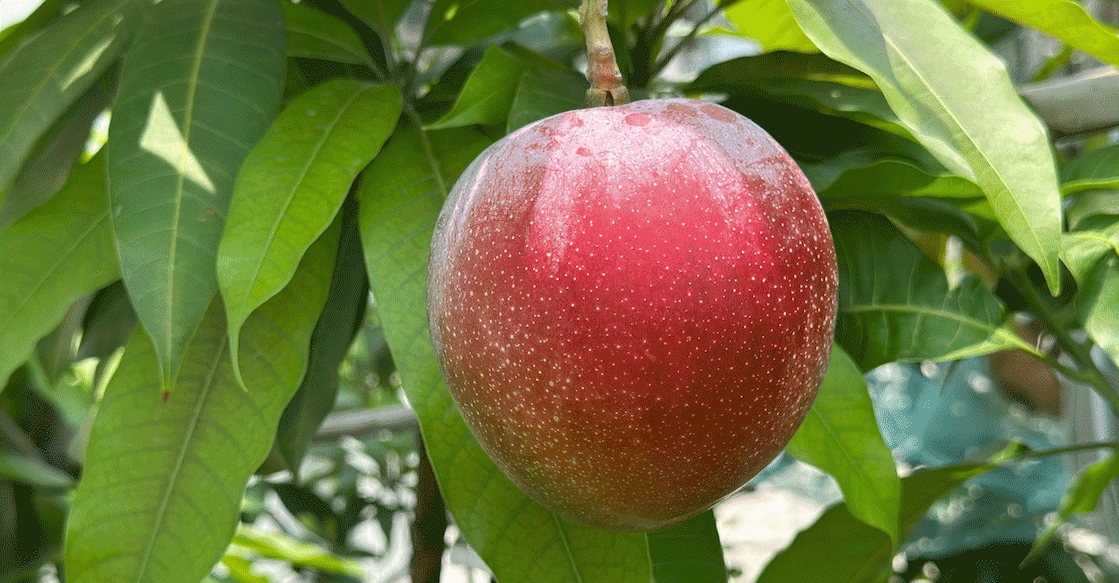
Originally grown in Miyazaki city in Japan's Kyushu province, these luxurious mangoes are locally known as 'Taiyo-no-Tamago' or 'Egg of the Sun'. They are known for their striking deep red-to-purple skin and a melt-in-the-mouth, fibreless texture. With a sugar content exceeding 15 percent, they are exceptionally sweet and packed with health benefits, including antioxidants, beta-carotene, and folic acid. In the international market, premium-quality Miyazaki mangoes can fetch up to ₹3 lakh per kilogram.

An accidental success story
When Joseph Lobo planted a mango sapling on his terrace alongside other plants, he had no idea he was nurturing the world's most expensive fruit. He and his family even enjoyed the first harvest of deep-red mangoes without realising their worth. It was only when a journalist spotted the unique fruit and identified it as the rare Miyazaki variety that Lobo realised his achievement. His secret to success? An uncompromising commitment to 100 percent organic gardening practices.
A step-by-step guide to growing Miyazaki mangoes on your terrace
If you want to try your hand at growing this premium fruit on your terrace or balcony, here is how you can replicate Lobo's success:
Choose grafted saplings: Instead of growing them from seeds, opt for high-quality grafted saplings from reliable nurseries. Grafted plants grow much faster and typically start bearing fruit within three years.
Prepare the perfect potting mix: Miyazaki mangoes require highly nutritious soil. Lobo uses a potent organic mix comprising 50 percent soil and 50 percent organic matter, including cow dung powder, goat manure, vegetable compost, and fermented curd.
Select the right container: Use large drums or heavy-duty grow bags that allow the roots ample space to spread. Crucially, ensure there are sufficient drainage holes at the bottom to prevent waterlogging.
Maximise sunlight exposure: The plants need at least six to eight hours of direct sunlight daily. A spacious terrace is the ideal spot for this. The intensity of sunlight directly influences the rich crimson colour and sweetness of the fruit.
Regular organic nourishment: Apply organic liquid fertilisers every 30 days. Fermented rice water and mustard oil cake solution work exceptionally well. Completely avoid chemical pesticides. Instead, use an organic neem oil spray to keep flies and pests at bay.
Key challenges to keep in mind
Patience is the ultimate virtue when cultivating Miyazaki mangoes. For Joseph Lobo, it took over three years of meticulous care before the tree bore its first fruits. Constant attention and protection from sudden weather fluctuations are essential. During heavy monsoons, special care must be taken to prevent the delicate flowers from falling off.

Why urban gardeners should try this
For city dwellers with limited space, terrace gardening offers both a rewarding hobby and a unique way to connect with nature. Harvesting one of the world's rarest and most sought-after fruits in your own home is a matter of immense pride. The Udupi model proves that with the right technique, dedication, and organic care, exotic international fruits can flourish beautifully in Indian households.
 Add as a preferred source on Google