

Mail This Article


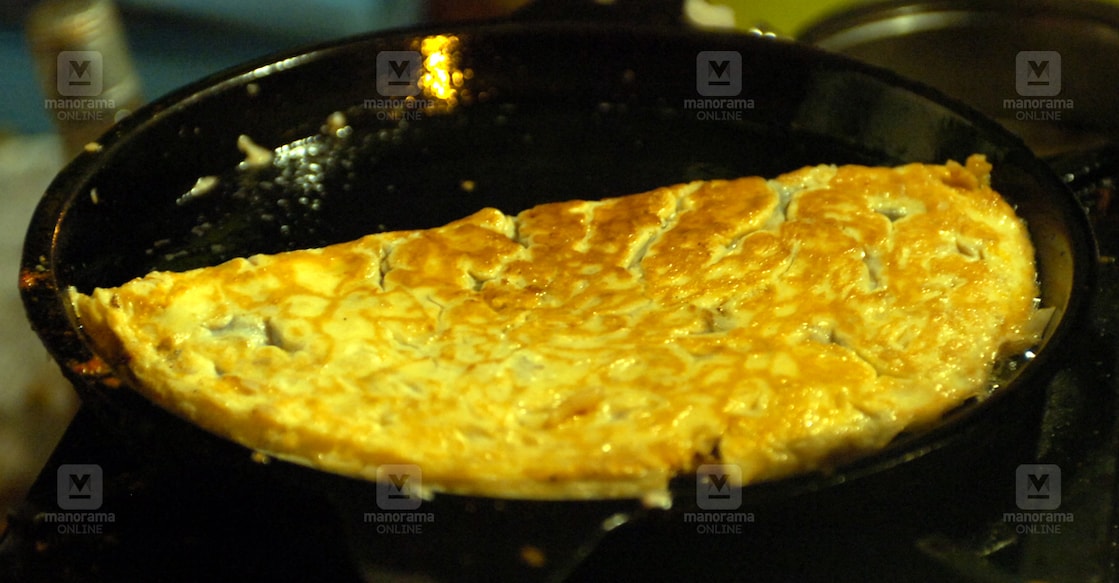
The comforting sizzle of a duck egg omelette on a hot griddle is fast becoming a memory at Kerala's late-night street food stalls, popularly known as thattukadas. Driven by a double whammy of soaring prices and a severe supply crunch, vendors across towns like Perumbavoor are quietly dropping duck egg dishes, including the popular duck bhurji, from their evening menus.
What was once a budget-friendly gourmet treat has now become an expensive luxury. Retail prices for duck eggs, which previously hovered between ₹12 and ₹14, have skyrocketed to ₹18 and ₹20 in several areas. Even for those willing to pay the premium, sourcing the eggs has become an uphill battle.
A dry spell hits production
Suppliers who once distributed up to 2,000 duck eggs daily to local eateries are now rationing their stock, delivering just 1,000 to 1,500 eggs once or twice a week. Stall owners now have to place orders days in advance to secure even a modest batch. The roots of this shortage lie in the scenic backwaters of Kuttanad, spanning Alappuzha and Kottayam districts, which serve as the traditional heartland of duck rearing in Kerala. A significant dip in rainfall has disrupted production across these key breeding hubs.
Interstate shortages compound the crisis
The crisis is not limited to Kerala's borders. The state relies heavily on poultry imports from neighbouring Tamil Nadu and Andhra Pradesh to meet its high demand. However, these states are also grappling with deficient rainfall. Without sufficient water in local streams, ponds, and canals, foraging ducks are deprived of their natural feed. This lack of nourishment has directly impacted egg production, causing a ripple effect that has ended up stalling the griddles of Kerala's favourite street food joints.
