

Mail This Article


The Indian luxury fruit market is currently buzzing with discussions about an exotic outsider—the durian. Native to Southeast Asian countries, this unique fruit is triggering immense curiosity among food enthusiasts with its bizarre yet fascinating characteristics. A fruit that simultaneously attracts and repels, the durian is fast becoming a prominent fixture in premium Indian supermarkets.
Sweet custard meets stinky socks: The ultimate sensory paradox
Renowned for its distinctive odour and unique flavour, the durian is highly divisive. To some, it is culinary heaven; to others, it is utterly repulsive. The fruit’s intense smell is legendary, with critics comparing the aroma to a pungent mix of rotten onions, turpentine, and sweaty gym socks. This overwhelming stench has prompted several countries, including Singapore, to ban the fruit on public transport and in hotels.
However, for those brave enough to look past the smell, durian offers an unparalleled culinary reward. Beneath the thorny exterior lies a rich, buttery, custard-like pulp that tastes of sweet almonds blended with notes of caramelised onions. It can be eaten fresh, blended into creamy smoothies, or used to craft unique artisanal desserts.

The science behind the smell
There is a fascinating scientific explanation for the durian's heavy aroma. According to a study published by ACS Food Science and Technology, two primary elements contribute to this strong scent. First, volatile sulfur compounds produce a sharp, onion-like or cabbage-like odour. Second, sweet esters lend a fruity undertone. Because these compounds vaporise effortlessly and spread quickly through the air, containing the smell is almost impossible—even before the fruit is cut open.
India’s luxury fruit market and Kerala's homegrown durian revolution
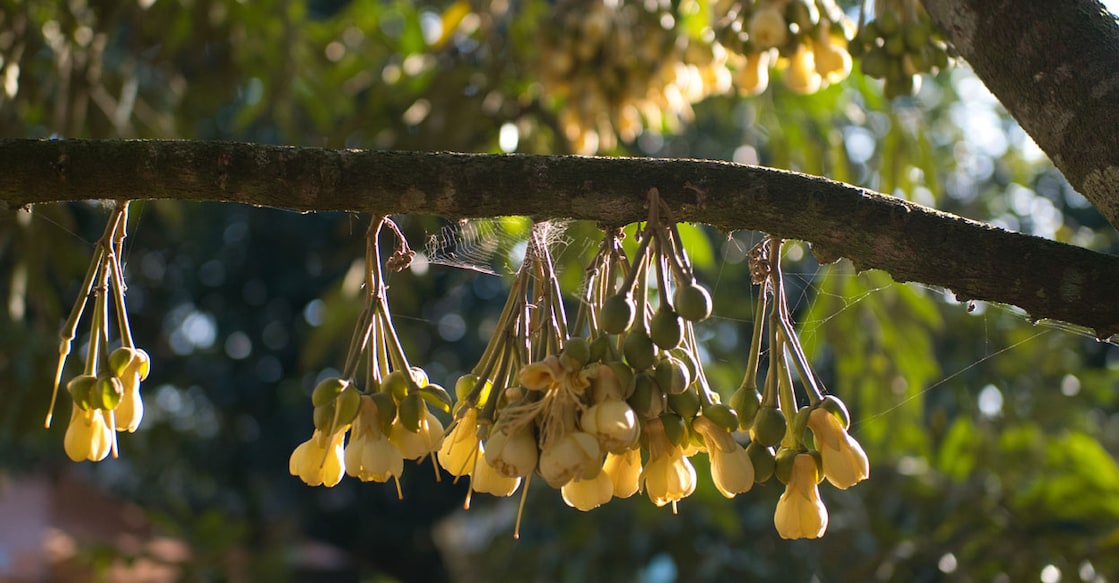
As India's epicurean palate matures, the country is eagerly embracing exotic imports. Durians are brought in from Thailand, Malaysia, and Indonesia in massive quantities, sold either as whole fresh fruits or as frozen pulp. In an exciting development, local farmers have started cultivating durian in India, with successful harvests reported in parts of Kerala and hilly farms in Tamil Nadu. The local harvesting season typically runs through the summer and mid-monsoon months from June to August.
While Malaysia's Musang King is considered the gold standard, other popular varieties include Thailand’s commercially viable Monthong, alongside Ochee (Black Thorn), KOB, Sultan, D101, and Red Prawn. Many farmers in Kerala are now planting grafted saplings of Monthong, which usually begin bearing fruit within four to five years. Globally prized as one of the most expensive fruits, durian also carries a reputation in traditional wellness circles for boosting fertility.
In the Indian market, durian is priced anywhere between ₹350 and ₹2,500 per kilogram. The price is determined by the variety, quality, and whether it is a local harvest or an air-freighted import. Premium varieties like Musang King easily command the higher end of the spectrum, retailing between ₹1,200 and ₹2,500 per kilogram.
Nutritional powerhouse: Why durian is crowned a superfruit
Though it carries a premium price tag, the durian is a certified 'superfruit' when it comes to nutritional benefits. Packed with vitamin C, vitamin B6, and folate, it helps strengthen the immune system and supports healthy brain function. It is also rich in essential minerals like potassium, magnesium, and iron, which aid cardiovascular health and boost overall cellular energy. Additionally, the fruit is loaded with antioxidants that neutralise free radicals, lowering the risk of chronic diseases. For fitness enthusiasts, its high calorie and carbohydrate content make it an excellent pre- or post-workout energy snack.
The logistics of stink: Why it is banned in public spaces
Because the durian's smell travels easily in confined, poorly ventilated spaces, it can quickly saturate fabrics, carpets, curtains, and air-conditioning units, leaving a lingering odour that is notoriously difficult to neutralise. Consequently, hotels, airlines, and public transit systems enforce strict rules against carrying them. It is important to note that carrying durian is not illegal; rather, these rules are individual corporate policies designed to ensure the comfort of all guests and passengers. Airlines worldwide maintain varied regulations, so travellers are advised to check guidelines before packing this spiky delicacy.
